Nvidia's Financial Strength and Production Outlook
Finance

Nvidia's Financial Strength and Production Outlook

authorBy Robert Kiyosaki
DateMay 20, 2026
Read time2 min

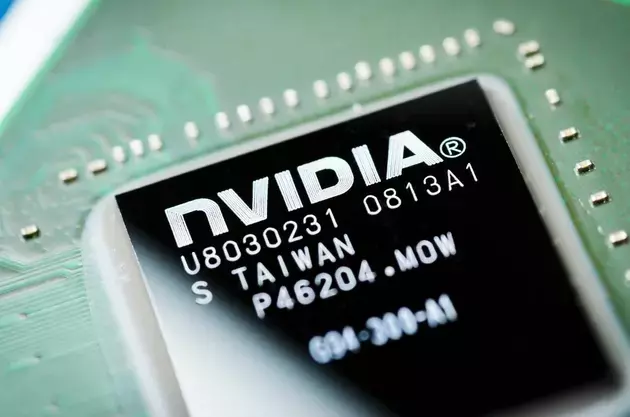
Nvidia (NVDA) has showcased remarkable financial performance, primarily driven by its innovative chip designs and a strategic partnership with TSMC for manufacturing. This allows Nvidia to achieve impressive gross margins, distinguishing it in the competitive semiconductor industry. However, this reliance on TSMC, while beneficial, also introduces potential vulnerabilities related to future pricing and production capacity that could impact Nvidia's market standing.

In its fiscal first quarter of 2027, ending April 26, 2026, Nvidia announced an astounding 85% increase in revenue, significantly surpassing market expectations of 79%. The data center segment, a key area for artificial intelligence, saw a 92% growth. This growth was partially offset by smaller, non-AI business units. Nvidia's unique model, focusing on chip design and software while outsourcing manufacturing, has been a cornerstone of its profitability.

The company's strong ecosystem, which integrates advanced hardware with sophisticated software, is a significant factor behind its customer retention and superior margins. This synergy creates a powerful competitive advantage, making it difficult for competitors to replicate. The consistent demand for Nvidia's AI-driven processors further solidifies its market leadership.

Despite its current success, Nvidia faces a potential challenge from TSMC, its primary manufacturing partner. TSMC's dominant position in advanced chip production means any shift in its pricing strategy or capacity allocation could directly affect Nvidia's production costs and supply chain stability. Such changes might lead to increased operational expenses or production delays, potentially impacting Nvidia's profit margins and overall valuation. Therefore, while Nvidia's strategy has been highly effective, its future trajectory remains intertwined with the dynamics of its manufacturing partnership.

Nvidia's impressive financial results are largely attributed to its innovative approach to chip design and its strategic outsourcing of manufacturing. The company's strong software platform enhances customer loyalty, contributing to its robust margins. Nevertheless, the heavy dependence on TSMC for production means that any alterations in TSMC's operational strategies could pose a risk to Nvidia's sustained high valuation and profitability.

More Articles
Finance
OpenAI IPO: A Litmus Test for the AI Bubble
OpenAI's impending initial public offering (IPO) is poised to be a pivotal event, revealing the true sentiment of investors towards artificial intelligence. The performance of this IPO will not only indicate the sustainability of current AI valuations but also impact related sectors, including hardware manufacturers. As such, the IPO's outcome is crucial for understanding the broader financial health and future trajectory of the AI industry.
By Morgan HouselMay 20, 2026
Finance
Navigating High-Yield Nasdaq Income ETFs: A Comparative Analysis of GPIQ and JEPQ
This article delves into a comprehensive comparison of two prominent Nasdaq 100 options overlay hybrid funds: The Goldman Sachs Nasdaq-100 Premium Income ETF (GPIQ) and the JPMorgan Nasdaq Equity Premium Income ETF (JEPQ). It aims to guide investors through the complexities of high-yield income strategies, moving beyond superficial yield figures to uncover which fund truly delivers superior cash generation. The analysis focuses on strategic differences, management styles, and the unique income-generating mechanisms of options-based ETFs, particularly highlighting how selling 'portfolio insurance' can diversify retirement income streams.
By Strive MasiyiwaMay 20, 2026
Finance
The Strategic Imperative of Exit Planning for Businesses and Investors
An exit strategy is a comprehensive plan for investors and businesses to divest assets, aiming to maximize profits or mitigate losses under specific circumstances. This crucial planning eliminates emotional decision-making, setting clear objectives for investment and business ventures. For startups, common exit routes include IPOs, strategic acquisitions, or management buyouts, while established companies might pursue mergers and acquisitions. Investors also employ defined strategies like the 1% rule or time-bound exits to manage risk efficiently.
By Michele FerreroMay 20, 2026
Finance
Understanding the FDIC Problem Bank List: Criteria, Trends, and Impact on Financial Stability
The FDIC Problem Bank List is a confidential roster maintained by the Federal Deposit Insurance Corporation, identifying U.S. banks and thrifts facing significant financial vulnerabilities. This list, crucial for monitoring banking sector health, reflects institutions at risk of insolvency due to various weaknesses. While the names of these banks remain private to prevent public panic, the FDIC regularly discloses the total number of institutions on this list as part of its efforts to ensure financial stability.
By Strive MasiyiwaMay 20, 2026
Finance
Cal-Maine Foods: A Resilient Egg Industry Leader with Strategic Growth
Cal-Maine Foods (CALM) stands out in the consumer staples sector, offering investors direct exposure to egg prices. The company is known for its strong financial discipline, debt-free operations, and a variable dividend strategy. Despite market volatility, CALM has consistently expanded its revenues and operational scale through strategic acquisitions and a focus on value-added products, positioning itself for continued success in the dynamic egg market.
By Robert KiyosakiMay 20, 2026