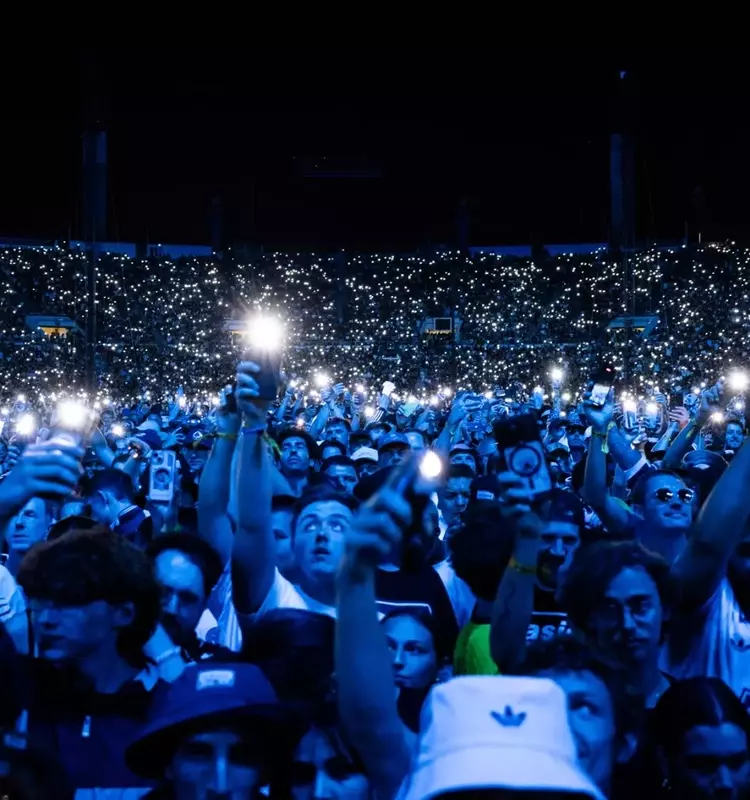
The recent Oasis Live '25 reunion tour has transcended mere musical performances, evolving into a poignant testament to unity and shared human experience. From St. Louis to Cardiff, and Chicago to MetLife Stadium, fans have flocked to witness the iconic band, discovering an unexpected atmosphere of camaraderie and positive masculinity. This tour highlights how music can bridge divides, mend fractured relationships, and create a powerful sense of community among diverse audiences.
Jeff Jarrett's journey from St. Louis to multiple tour stops, culminating in a performance with his six-year-old son, Wolf, in Pasadena, exemplifies the generational impact of Oasis's music. Jarrett, a 44-year-old booking agent, described the evening as "lovely and loud," proudly noting his son's enthusiastic participation and the warm reception from fellow concert-goers. This heartwarming scene underscores the enduring appeal of the band and its ability to unite families through shared musical passion.
The observer at MetLife Stadium was particularly struck by the palpable sense of positive masculinity among the attendees. The venue was filled with men of all ages—fathers with sons, husbands, and friends—engaging in hugs, high-fives, and emotional sing-alongs, a stark contrast to the band's notorious past. This unexpected civility, even in the bustling environment of a rock concert, offered a refreshing perspective on fan culture and the transformative power of music.
Bob Ferguson, a Gen X'er from New Jersey, echoed this sentiment after attending multiple shows, including the MetLife concert and two Toronto performances. He noted the prevalence of solo fathers with their children, all singing along to anthems like "I'm a rock & roll star!" This phenomenon led him to ponder whether the Gallagher brothers, known for their past acrimony, were inadvertently fostering a new era of social civility among their fans.
The Gallaghers' history of public feuds and contentious behavior, from mocking fellow musicians to insulting each other on social media, was once a defining characteristic of Oasis. Liam's relentless taunts and Noel's sharp retorts fueled their reputation for belligerence. However, 16 years after their infamous Paris breakup, the brothers now appear on stage arm-in-arm, a gesture of reconciliation that has profoundly impacted their fan base.
Paul Adams, a Manchester native, offers a cultural perspective on the brothers' dynamic, suggesting that Northern English men often express strong emotions through bravado. He believes that despite their past disputes, a deep longing for reconciliation existed, masked by their public personas. The immense financial success of the reunion tour, reportedly grossing $1.6 billion, may have also played a role in softening their stance, but Adams argues that their reunion is also driven by a genuine need for each other.
Jason Singer, a Nashville-based singer-songwriter known as Michigander, believes the reconciliation extends beyond the band members to their fans. He posits that these concerts transport attendees back to a less polarized time, fostering a collective sense of unity and nostalgia. Singer, who found the Soldier Field show to be the "best night of my life," described the experience as deeply emotional and unparalleled.
The concert atmosphere at MetLife Stadium was a vibrant tapestry of shared experiences. Two lifelong friends sang every lyric to each other, largely oblivious to the stage, while another fan introduced his fiancée's parents to his favorite band, with the older couple proving to be enthusiastic Oasis superfans. Frank and Joseph, two brothers from the Bronx, linked arms during "Cigarettes and Alcohol," a poignant moment that underscored the profound impact Oasis had on their bond.
For many, including Frank, these reunion shows were not their first Oasis concert but held a unique significance. Having never traveled overseas, Frank embarked on a journey to the U.K. with his brother, securing tickets to one of the sold-out Wembley Stadium dates. He vividly recalled the overwhelming emotion of seeing Liam and Noel holding hands on stage, a sight that moved him to tears and reinforced the sense of togetherness and community he felt among the thousands of fans.
The resounding success of the Oasis reunion tour signifies more than just a musical comeback; it embodies a collective longing for connection and shared joy. Fans and critics alike marvel at the band's enhanced performance and the unifying spirit they now project. This tour serves as a powerful reminder that even in fragmented times, music can offer a sanctuary of hope, friendship, and collective belief in a better future, encouraging us all to embrace those around us and sing along to the soundtrack of our lives.