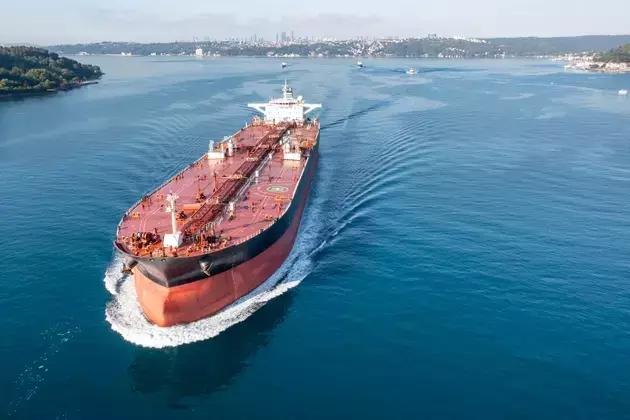
The global oil market is currently navigating a period of significant downward pressure. A key factor contributing to this trend is the improved flow of traffic through the Strait of Hormuz, a crucial waterway for crude oil shipments. This recovery in transit capacity has assuaged immediate supply concerns, dampening the upward trajectory of oil prices. Furthermore, the strengthening of the US dollar and persistent expectations that the Federal Reserve will maintain higher interest rates for an extended period are adding to the bearish sentiment in the market. These economic forces are effectively counteracting the traditional safe-haven demand for oil that often arises from geopolitical instabilities.
Amidst these developments, the market is also grappling with potential disruptions such as Russia's consideration of a diesel export ban. While the recovery of Persian Gulf flows is a positive sign for global oil supply, the broader economic landscape, characterized by a robust dollar and the anticipation of sustained high interest rates, continues to exert a dominant influence on price movements. Investors are closely monitoring these intertwined factors, recognizing their collective impact on the delicate balance of supply, demand, and speculative trading within the international oil market.
Persian Gulf Recovery and Its Impact on Oil Prices
Oil prices have seen a sustained decline, largely influenced by the improving situation in the Persian Gulf. The normalization of traffic through the Strait of Hormuz, a vital chokepoint for global oil shipments, has been a primary driver of this trend. As transit through the Strait becomes more stable, the market perceives a reduction in supply risks, leading to a decrease in the premium typically associated with geopolitical tensions in the region. This easing of supply concerns directly contributes to the downward pressure on crude oil benchmarks.
The market's reaction suggests an underlying assumption of a swift and complete restoration of normal operations in the Strait of Hormuz. This optimism is reflected in the current price action, where the recovery of flows is seen as mitigating potential disruptions. Consequently, the immediate fear of supply shortages, which often propels oil prices upward, has subsided. This recovery narrative plays a crucial role in shaping market sentiment and continues to be a significant factor in the ongoing recalibration of global oil prices.
Economic Headwinds and Geopolitical Risks on Oil Market
Beyond the immediate relief from Persian Gulf recovery, broader economic factors are significantly influencing oil prices. A key element is the appreciation of the US dollar, which makes dollar-denominated commodities like oil more expensive for holders of other currencies, thereby reducing demand. Simultaneously, the anticipation of the Federal Reserve maintaining elevated interest rates for a longer duration reinforces this downward pressure. Higher interest rates typically signal a slowdown in economic activity, which in turn implies reduced energy consumption and, consequently, lower oil demand.
These robust economic headwinds are currently overshadowing the traditional safe-haven appeal of oil during periods of geopolitical uncertainty. Despite ongoing geopolitical risks, which historically would provide upward support for oil prices, the combined strength of the dollar and expectations of tighter monetary policy are proving to be more influential. This dynamic indicates that, for the time being, global economic fundamentals are dictating the trajectory of oil prices, even as potential geopolitical flashpoints remain on the horizon.
