Oil Market Reacts to Geopolitical Tensions and China's Import Trends
Finance

Oil Market Reacts to Geopolitical Tensions and China's Import Trends

authorBy Strive Masiyiwa
DateJun 10, 2026
Read time2 min

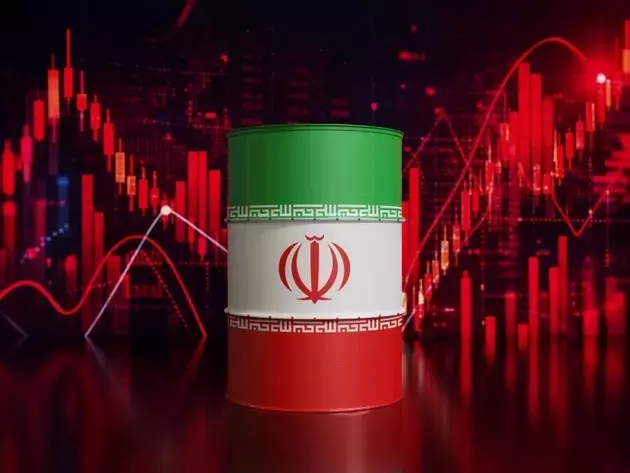
The global oil market has been notably influenced by recent geopolitical events in the Middle East and the latest trade figures emanating from China.

Specifically, West Texas Intermediate (WTI) crude saw a considerable decline, settling below the $90 per barrel mark. This downturn reflects the market's response to the complex interplay of international relations and supply-demand dynamics. Meanwhile, China's trade data presents a mixed but intriguing picture for various commodities. Copper imports into China demonstrated a year-over-year increase of 4.4% in May, reaching 445.7 thousand tonnes, yet the cumulative volume for the year remains 7% lower compared to the previous year, standing at 2.01 million tonnes. Furthermore, China's soybean imports experienced a significant surge, climbing 39% month-on-month to 11.8 million tonnes in May, marking the highest level since September 2025.

These developments underscore the intricate connections between geopolitical stability, global trade patterns, and commodity market fluctuations. The interplay of these factors creates a volatile environment where rapid shifts in price and demand can occur. Understanding these dynamics is crucial for navigating the complexities of the modern global economy.

In an interconnected world, geopolitical stability and transparent trade practices are the bedrock of economic prosperity. When nations engage in cooperative and peaceful exchanges, global markets thrive, fostering growth and stability for all. Embracing shared values and pursuing common goals can pave the way for a more resilient and equitable global economy.

More Articles
Finance
Adidas: A Cautious Outlook Amidst Market Shifts
Adidas's sales and profit growth, influenced by the World Cup, mask underlying challenges in margins and inventory. Escalating inventory levels and working capital signify structural balance sheet vulnerabilities, diminishing earlier hopes for a turnaround. Facing persistent macroeconomic headwinds, tariff complexities, and intense competition, the current valuation at 16-18x P/E no longer offers an appealing risk-reward profile for fresh investments. This analysis leads to a downgrade to 'Hold' with a revised price target of €150/share, reflecting increased prudence regarding future growth and valuation.
By Suze OrmanJun 10, 2026
Finance
Disney's Stock Dilemma: Tempting Decline vs. Economic Headwinds
Despite a recent stock price dip, Disney (DIS) is currently rated as a 'Hold' due to persistent economic challenges. Factors such as consumer financial strain, rising inflation, and moderate revenue growth temper the allure of its discounted shares. While its theme parks remain a primary profit driver, they face potential risks from decreased domestic travel and increased living costs. The upcoming World Cup could also impact park attendance and box office performance, though a rise in affluent international visitors might partially offset these effects. The company's valuation appears attractive, yet ongoing revenue growth concerns and consumer pressures justify a cautious stance.
By Robert KiyosakiJun 10, 2026
Finance
Wasatch U.S. Select Fund Q1 2026 Commentary: Navigating AI's Impact on Small-Cap Markets
The Wasatch U.S. Select Fund—Investor Class experienced an 8.99% decline in Q1 2026 amid volatile small-cap markets. While AI infrastructure beneficiaries like Nova Ltd. and Fabrinet thrived, Hamilton Lane, Inc. was a significant detractor. The Fund adjusted its portfolio by divesting companies with uncertain AI implications, focusing on businesses with strong competitive advantages that can leverage AI. Wasatch anticipates a re-rating for many holdings affected by recent disruptions, expecting their earnings power to demonstrate resilience.
By Mariana MazzucatoJun 10, 2026
Finance
Diamondback Energy: Navigating the New Oil Landscape
Diamondback Energy maintains its position as a cost-efficient leader in the Permian Basin, yet its current market valuation appears to fully account for recent positive shifts in the macroeconomic environment and elevated crude oil prices. The company's first-quarter performance showcased exceptional operational execution, marked by record revenues, increased shareholder distributions, accelerated debt reduction, and an upward revision of its production targets for fiscal year 2026. However, an analysis of various scenarios suggests potential downside risk if oil prices return to their historical mid-cycle averages, indicating that a substantial geopolitical risk premium is already embedded in FANG's valuation. Consequently, with shares trading near 52-week highs, the favorable impacts of oil price disruptions seem to be entirely factored into the stock's price.
By Robert KiyosakiJun 10, 2026
Finance
Afya Faces Headwinds Despite Financial Strength
Afya (AFYA) has shown financial resilience and growth in its recent quarterly reports, but the company is increasingly encountering significant medium-term obstacles, particularly within its undergraduate medical education division. Escalating competition, diminished pricing power, and adverse results from the ENAMED exam have collectively undermined Afya's brand reputation and regulatory standing. Although the stock appears undervalued with a cash earnings multiple below 10x, the quality of its earnings has suffered due to these operational and reputational challenges. Consequently, a Hold rating is maintained, reflecting that the attractive valuation is offset by deteriorating business fundamentals and regulatory pressures.
By Robert KiyosakiJun 10, 2026