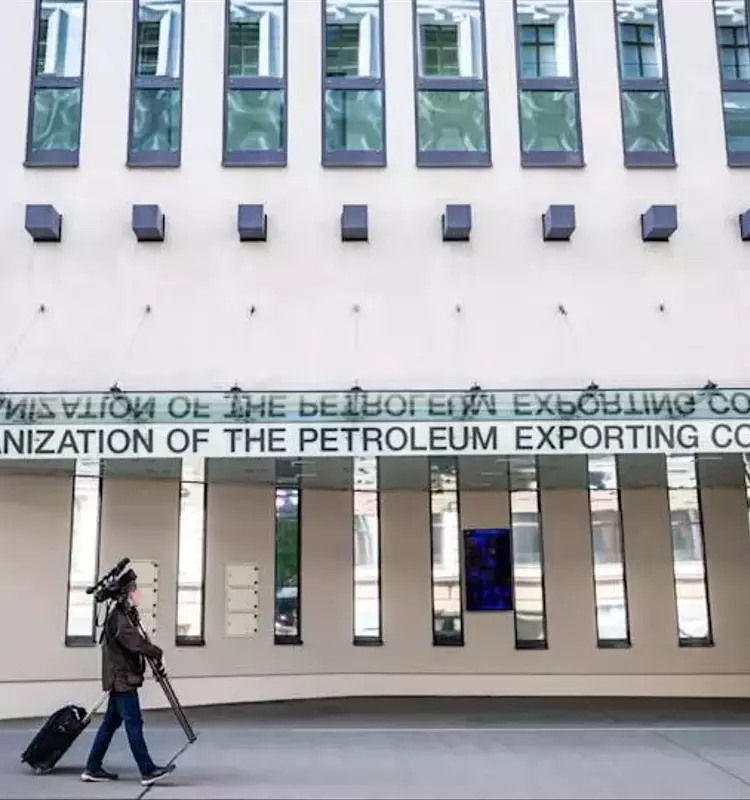
In a significant move to stabilize the global energy market, seven key members of the OPEC+ alliance have committed to elevating their oil production by an additional 188,000 barrels daily for June. This collective decision marks the first such agreement since the United Arab Emirates (UAE) formally withdrew from the cartel. However, the efficacy of this increased output is heavily overshadowed by the continued closure of the Strait of Hormuz by Iran, a critical maritime passage that typically facilitates a substantial portion of the world's oil and natural gas trade. The blockade has effectively removed millions of barrels from global circulation, rendering the production boost largely symbolic against the backdrop of an disrupted supply chain.
The group, comprising Saudi Arabia, Russia, Iraq, Kuwait, Kazakhstan, Algeria, and Oman, underscored their dedication to maintaining market equilibrium with this adjustment. The June increment is marginally less than the 206,000 barrels per day rise implemented in May, which had included the UAE's contribution prior to its departure. This strategic shift occurs at a time when global oil prices have experienced a notable surge since the beginning of 2026, doubling in value for benchmarks such as West Texas Intermediate and Brent crude. Recent market fluctuations saw a slight dip in prices following news of a proposed peace agreement involving Iran, suggesting potential shifts in the geopolitical landscape affecting energy supplies.
The Strait of Hormuz, a narrow waterway connecting the Persian Gulf to the open ocean, serves as a vital conduit for approximately one-fifth of the world's crude oil and liquefied natural gas. Its ongoing closure has severe implications for global energy security and trade. The Associated Press highlighted that despite the OPEC+ countries' efforts to increase supply, the physical constraint on exports due to the blockade means a significant portion of the intended additional oil cannot reach international markets. This situation creates a complex dynamic where nominal production increases do not translate into effective supply improvements, thereby maintaining upward pressure on prices and uncertainty in the market.
The UAE's departure from OPEC+ on May 1st was a pivotal moment for the cartel, which has influenced global oil markets for over six decades. Before its exit, the UAE was the third-largest producer within OPEC. The decision to leave was influenced by escalating tensions with Saudi Arabia over production policies and, critically, by Iranian strikes on the UAE in the preceding weeks, alongside the crippling effect of the Hormuz blockade on Abu Dhabi's export capabilities. Although the UAE expressed intentions to increase its oil output post-departure, the feasibility of this additional supply reaching global buyers remains questionable as long as the Strait of Hormuz remains inaccessible for commercial shipping.
Looking ahead, the seven remaining participating nations have pledged to convene monthly to reassess market conditions and make further production adjustments, with their subsequent meeting scheduled for June 7th. The ongoing geopolitical complexities, particularly the situation in the Strait of Hormuz and the evolving relationship with Iran, will undoubtedly play a crucial role in shaping future oil market dynamics and the strategies of these major oil-producing countries. The delicate balance between supply, demand, and geopolitical stability continues to dictate the trajectory of global energy prices.
