Understanding the proper amount of breast milk for a newborn can be challenging, especially for new parents. This comprehensive guide outlines a simple calculation method to determine your baby's daily and per-feeding milk requirements, along with practical tips for adjusting these amounts as your baby grows. Additionally, it provides crucial advice on effectively storing breast milk to maintain its freshness and avoid unnecessary waste, ensuring your little one receives optimal nutrition.
Calculating Your Newborn's Milk Needs
Determining the precise quantity of milk for your newborn's bottle can feel daunting, but a straightforward, three-step calculation can help ensure your baby is neither underfed nor overfed. This method primarily focuses on your baby's weight to estimate their daily breast milk intake. By following these steps, you can confidently prepare bottles, knowing your baby is receiving an adequate amount of nourishment. This approach removes much of the guesswork associated with bottle-feeding breast milk.
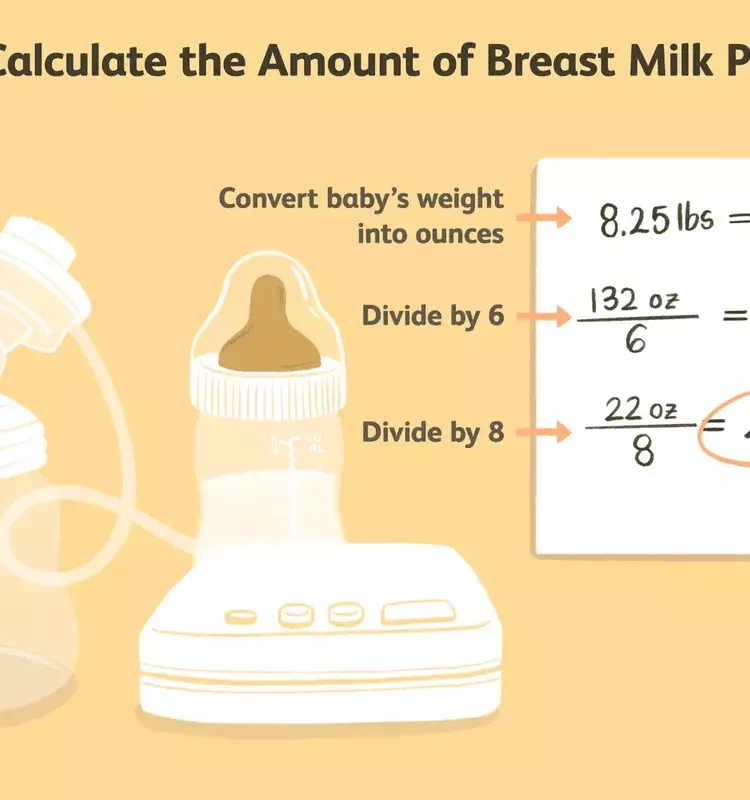
To calculate the appropriate amount of breast milk for your newborn, begin by converting your baby's weight to pounds, ensuring all ounces are accounted for by dividing them by 16. For instance, an 8-pound, 4-ounce baby translates to 8.25 pounds. If you're using kilograms, multiply their weight by 2.2 to get the equivalent in pounds. Next, multiply this pound weight by 2.5, as healthcare professionals suggest approximately 2.5 ounces of breast milk daily per pound of body weight for infants up to 10 pounds. This step will provide the total daily milk intake in ounces. Finally, divide this daily total by 8, reflecting the recommended eight feedings per day for newborns (eating every three hours). This division gives you the amount of breast milk needed per bottle. For those preferring milliliters, multiply the ounces per feeding by 30 to get the exact milliliter amount. For example, an 8.25-pound baby would require about 2.6 ounces (or 78 ml) per feeding, allowing for bottles to be prepared with 3 ounces (or 90 ml) to ensure satiety.
Adapting Feeding Schedules and Storing Breast Milk Efficiently
As your baby matures and gains weight, their nutritional needs will change, requiring adjustments to their feeding amounts. It's crucial to continuously monitor their growth and modify milk quantities accordingly. Furthermore, any changes in feeding frequency, such as extending the time between meals, necessitate an increase in the volume of milk per bottle. This adaptability ensures your baby remains adequately nourished throughout their developmental stages. Consulting a pediatrician for any concerns regarding your baby's dietary schedule or nutritional intake is always recommended.
Initial feedings will involve small amounts of colostrum, the nutrient-rich first milk, which is highly beneficial despite its limited volume. As your milk production increases, typically between the second and sixth day postpartum, your newborn will consume around 2 to 4 ounces every three to four hours. This translates to roughly 14 to 28 ounces daily. From two to five months of age, this intake generally rises to 5 to 7 ounces every four to five hours, totaling approximately 25 to 26 ounces per day. When storing breast milk, especially for bottle-feeding, portioning it into smaller 2- to 4-ounce quantities is advisable. This practice helps minimize waste, particularly when your baby is younger and consumes less per feeding. While it's simple to thaw an additional 2 ounces if needed, thawing a larger quantity, such as 6 ounces, for a baby who only drinks 4 ounces means discarding the unused portion after two hours. As your baby grows and their appetite increases, you can gradually store larger volumes in each container, optimizing your breast milk supply management.