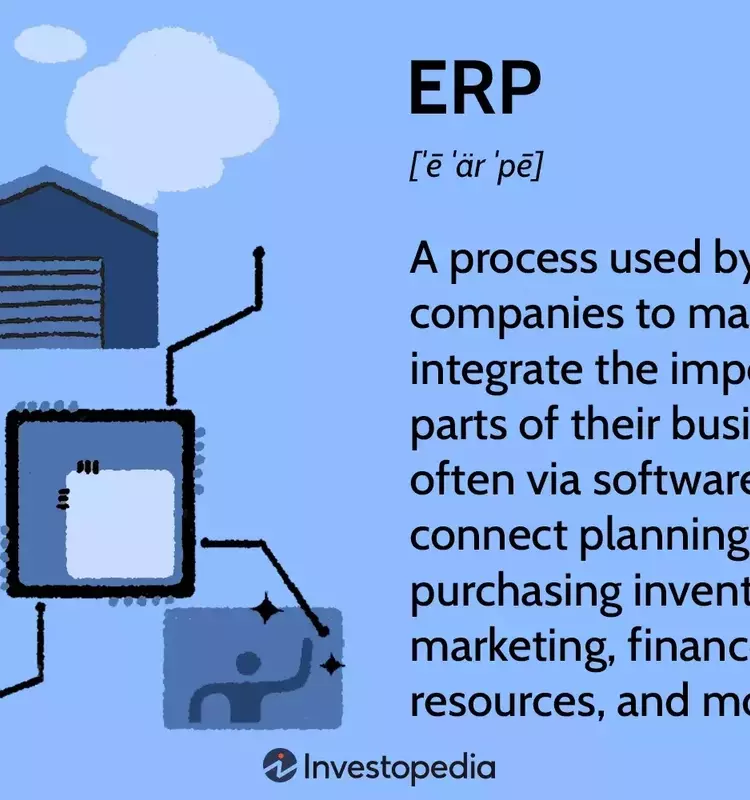
Enterprise Resource Planning (ERP) systems represent a fundamental approach for modern businesses to consolidate and manage their core operational processes. By integrating diverse functions like finance, human resources, and supply chain management into a unified platform, ERP solutions foster enhanced communication, improve data visibility, and ultimately drive greater organizational efficiency. However, the successful adoption of an ERP system goes beyond mere installation, demanding careful alignment with a company's culture and a willingness to adapt existing workflows.
Enterprise Resource Planning: Unifying Business Operations for Enhanced Performance
In the evolving landscape of business technology, Enterprise Resource Planning (ERP) systems have emerged as critical tools for organizations seeking to streamline their operations and improve overall efficiency. At its core, ERP is a comprehensive software platform designed to integrate and manage a company's essential business processes across various departments.
These sophisticated systems connect disparate functions such as financial accounting, operational management, human resources, sales, marketing, and inventory control within a single, cohesive framework. Unlike traditional, siloed departmental systems, an ERP provides a unified platform where data is shared in real-time, offering a holistic view of the organization's activities.
The evolution of ERP has seen a significant shift from on-premises installations to more flexible cloud-based solutions. Cloud ERP systems, often delivered through a Software-as-a-Service (SaaS) model, enable remote access and real-time data sharing. This model typically involves a subscription fee, with the ERP provider handling maintenance and updates, thereby reducing the burden on the client company's IT resources. Businesses can select specific applications to meet their needs, which are then integrated onto a rented server, facilitating seamless data flow and enhanced reporting capabilities.
Diverse ERP Solutions for Varied Business Needs:
- On-Premises ERP: Businesses maintain full control over data and customization, requiring dedicated internal IT support.
- Cloud ERP: Offers scalability and remote access with lower upfront costs, managed by the service provider.
- Industry-Specific ERP: Tailored to the unique demands of particular sectors, such as manufacturing or financial services.
- Open-Source ERP: Provides access to source code for extensive customization, though it demands higher technical expertise.
- Small Business ERP: Designed for small and medium-sized enterprises (SMBs), balancing essential functions with affordability and ease of implementation.
- Tiered ERP: Allows companies to select functionality levels based on current needs, with options for future upgrades and module additions.
The strategic deployment of ERP systems yields numerous benefits. These include improved data accuracy, increased productivity through automation, enhanced real-time reporting for better decision-making, and significant improvements in operational efficiency. Moreover, ERP fosters greater collaboration among departments, empowering employees by eliminating tedious manual tasks and allowing them to focus on more impactful work. This synergy ultimately leads to higher employee and customer satisfaction.
However, implementing an ERP system is not without its challenges. Potential pitfalls include cost overruns if not managed meticulously, and the risk of inefficiencies if the organization is unwilling to adapt its existing processes to the new system. Companies must be prepared to evolve their organizational culture and workflows to fully leverage the power of ERP. Failure to do so can undermine the system's objectives, leading to incomplete integration and suboptimal performance.
ERP differs from Customer Relationship Management (CRM) platforms, which primarily focus on managing customer interactions. While ERP concentrates on internal processes, CRM aims to enhance customer engagement and loyalty. Nevertheless, modern ERPs often incorporate CRM functionalities, allowing for a synchronized view of customer data and business operations. This integration can predict customer re-orders, optimize inventory, and ensure adequate staffing, demonstrating the powerful interplay between these systems.
Leading ERP solution providers include established giants like Oracle and SAP, alongside innovative newcomers such as Bizowie and Workwise, who are increasingly offering cloud-based alternatives. Success stories abound, from Ronin Gallery doubling employee productivity by centralizing inventory and consignment data, to N&N moving supplies significantly reducing payroll processing time and gaining cross-location data visibility, and Green Rabbit eliminating inventory errors and tripling order volume. These examples underscore the transformative potential of well-implemented ERP systems.
When selecting an ERP system, businesses should meticulously evaluate several key factors: scalability to accommodate future growth, customization options to align with unique processes, seamless integration with existing software, an intuitive user interface, mobile accessibility, robust data security, and comprehensive analytical capabilities. Furthermore, understanding the vendor's support and the total cost of ownership, including ongoing maintenance and potential hidden fees, is crucial for a successful long-term investment.
The Strategic Imperative of ERP Adoption in the Modern Business Landscape
The journey towards digital transformation is a cornerstone for any enterprise aiming for sustained growth and competitive advantage in today's dynamic global market. The adoption of a robust Enterprise Resource Planning (ERP) system is not merely a technological upgrade but a strategic imperative that redefines how an organization functions. The detailed examination of ERP's capabilities, its diverse types, and its tangible benefits highlights a clear pathway for businesses to transcend traditional operational limitations.
From a strategic perspective, ERP facilitates an integrated intelligence network within a company. This network breaks down the informational silos that often plague large organizations, enabling a free flow of data and insights that are crucial for agile decision-making. The real-time visibility into every facet of the business—from inventory levels and financial health to customer interactions and human resource allocation—empowers leadership to respond proactively to market shifts and operational challenges. This foresight, coupled with the ability to automate routine tasks, allows human capital to be redirected towards innovative and value-adding activities, fostering a culture of continuous improvement and strategic thinking.
However, the implementation of an ERP system is a journey, not a destination. It requires a profound commitment from the entire organization, not just the IT department. The success stories of Ronin Gallery, N&N moving supplies, and Green Rabbit serve as powerful testimonials to the transformative impact of ERP, yet they also implicitly highlight the underlying organizational discipline and adaptability required. Businesses must be willing to critically evaluate and, if necessary, re-engineer their existing processes to align with the best practices embedded within the ERP framework. A failure to adapt can lead to resistance, suboptimal utilization of the system's capabilities, and ultimately, a missed opportunity for true operational excellence.
Looking ahead, the increasing prevalence of cloud-based ERP solutions signifies a broader trend towards more flexible, scalable, and accessible business technologies. This shift lowers entry barriers for smaller enterprises, enabling them to harness sophisticated tools previously exclusive to large corporations. The emphasis on mobile accessibility, advanced analytics, and stringent data security in ERP selection criteria reflects the growing demands of a digitally-native workforce and an increasingly regulated data environment. Ultimately, an ERP system, when thoughtfully chosen and strategically implemented, becomes the central nervous system of a modern enterprise, orchestrating efficiency, driving innovation, and fostering resilience in an ever-changing world.
