Pakistan's Regulatory Body Seeks Clarity on Crypto Legality from Islamic Scholars Amidst National Digital Asset Push
In a significant development for Pakistan's burgeoning digital finance sector, the nation's virtual assets regulatory body has reached out to a prominent Islamic seminary. The objective is to secure a definitive clarification on the Islamic permissibility of various digital assets, drawing a crucial distinction between speculative cryptocurrencies and those backed by tangible assets. This request follows a recent religious edict that declared crypto transactions impermissible under Islamic law, creating uncertainty for Pakistan's aggressive strategy to integrate digital currencies into its economy.
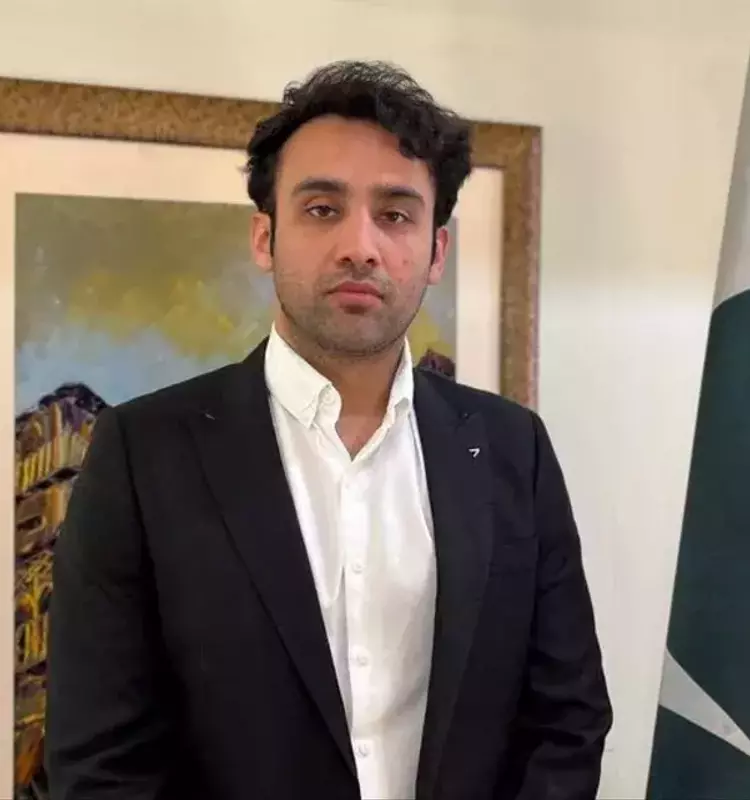
The Pakistan Virtual Assets Regulatory Authority (PVARA), led by Chairman Bilal bin Saqib, initiated this dialogue. Their move is a direct response to a fatwa issued last month by a leading Islamic seminary, which ruled against crypto-based purchases, stating they were not permissible according to Islamic principles. This religious directive poses a considerable challenge to Pakistan's rapid advancement in the cryptocurrency space, particularly given its status as one of the world's largest retail crypto markets.
Pakistan, an Islamic nation of over 240 million people, has been actively pursuing the formalization of its digital asset ecosystem. This includes exploring the tokenization of state assets and progressing with the issuance of licenses for cryptocurrency exchanges, anticipated in the coming months. The nation has also engaged in what it terms "crypto diplomacy," notably forging a deal with an affiliate of World Liberty Financial, a company associated with former President Donald Trump's family, to explore the use of its USD1 stablecoin for cross-border payments.
The religious ruling, or fatwa, was delivered by the Jamia Darul Uloom Karachi seminary. This institution holds significant sway among Muslims, not just within Pakistan but globally. Their June decree stated that, at present, cryptocurrency does not qualify as wealth under Islamic law, rendering it an invalid medium of exchange. While the seminary has yet to comment further, the implications of this edict are far-reaching.
Waqas Ghani, head of research at JS Global Capital, a prominent Pakistani brokerage and investment banking firm, noted that the edict could impede broader, bank-led crypto adoption beyond the urban trading communities. However, he also observed that, thus far, crypto trading volumes appear to be unaffected by the ruling. The fatwa itself was issued by a group of religious scholars, including a leading authority in Islamic finance, Mufti Muhammad Taqi Usmani, in response to an inquiry about using crypto to purchase books and online courses.
PVARA Chairman Saqib emphasized that the regulator is engaging with the seminary to evaluate digital assets on a categorical basis, rather than as a monolithic class. He highlighted that the core question posed by the fatwa concerns whether a digital asset qualifies as recognized wealth under Shariah law, affirming this as the correct inquiry that necessitates individual examination of each instrument. Saqib cited examples such as a blockchain-recorded sukuk, or Islamic bond, representing ownership of income-generating assets, and gold-backed tokens or fully reserved stablecoins providing an enforceable claim on tangible and redeemable assets. He further clarified that blockchain technology itself is a record-keeping and verification system, not a financial asset.
The regulator acknowledges that purely speculative tokens lacking underlying assets present a distinct issue, and the concerns raised by religious scholars in this regard must be seriously considered. PVARA is committed to continued collaboration with Islamic scholars as Pakistan refines its licensing framework and advances its work on stablecoins and real-world asset tokenization. This collaborative approach aims to position Pakistan at the forefront of Shariah-compliant digital finance, leveraging the expertise of religious authorities to build a robust and ethically sound digital economy.
