Papa John's Faces Uphill Battle Amidst Declining Sales and Customer Engagement
Finance

Papa John's Faces Uphill Battle Amidst Declining Sales and Customer Engagement

authorBy David Rubenstein
DateJun 09, 2026
Read time2 min

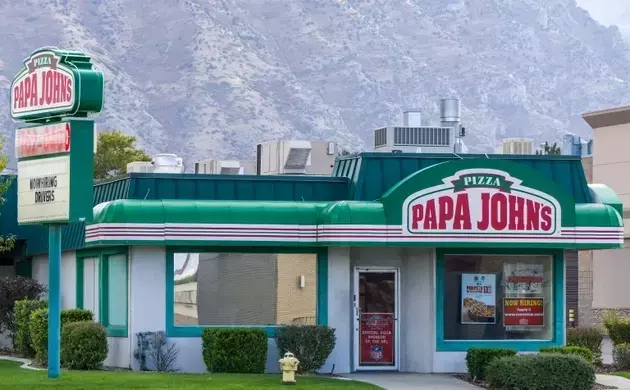
Papa John's International (PZZA) is currently navigating a period of significant operational and financial distress. The pizza giant is grappling with a pronounced reduction in order volumes and an evident struggle to expand its customer base. These core challenges are undermining the company's strategic efforts to revitalize its market position and financial performance. Despite various initiatives aimed at improvement, the fundamental metrics indicate a deepening struggle to resonate with consumers and maintain a competitive edge in the highly saturated fast-food sector.

In the first quarter of fiscal year 2026, Papa John's reported a revenue of $478.61 million, marking a substantial 7.66% decrease compared to the previous year. This figure significantly underperformed analysts' projections by $6.91 million, underscoring the severity of its financial headwinds. Concurrently, the company's earnings per share (EPS) also fell short of expectations, recording $0.32, which further highlights the challenges in profitability amidst declining sales. The North American market, a crucial segment for the company, experienced a 6.4% decline in comparable sales. This downturn was predominantly influenced by a decrease in transaction volumes, particularly impacting single-pizza orders, suggesting a shift in consumer behavior or preference away from Papa John's offerings.

The current landscape for Papa John's is further complicated by a pattern of ongoing location closures, which are symptomatic of broader operational inefficiencies and market pressures. These closures, combined with the lack of demonstrable progress in its turnaround strategy, render the company's stock vulnerable in the eyes of many financial observers. There is a growing sentiment that the stock might be overvalued given the persistent negative trends and the absence of clear indicators pointing towards a reversal of fortune. The company's management faces the daunting task of re-engaging customers, optimizing its operational footprint, and restoring investor confidence amidst these challenging circumstances.

Overall, Papa John's is contending with a difficult market environment characterized by reduced consumer spending and heightened competition. The continuous dip in order numbers and the failure to attract new patrons signal a deeper structural issue within the company's business model or brand appeal. The financial results from Q1 2026 vividly illustrate these setbacks, revealing missed revenue and earnings targets. The decline in comparable sales, specifically tied to individual pizza purchases, and the ongoing closure of establishments further underscore the pressing need for a comprehensive and effective strategy. Without a significant shift in its operational trajectory, Papa John's stock may continue to face skepticism regarding its current valuation.

More Articles
Finance
Dogecoin's Value Plummets: The End of the Elon Musk Effect?
Dogecoin's value has fallen by 13% over the past week, now 88% below its peak. The cryptocurrency's correlation with Elon Musk's endorsements has dissipated, and the meme coin sector has seen a significant market cap reduction. Despite new developments like ETF launches and payment app integrations, Dogecoin's price remains unresponsive, reflecting broader market challenges for meme coins.
By Lisa JingJun 09, 2026
Finance
Thornburg International Growth Fund Q1 2026 Performance Analysis
The Thornburg International Growth Fund's I share class achieved a -3.51% return in Q1 2026, slightly outperforming the MSCI ACWI ex-U.S. Growth Index by 11 basis points. This positive relative performance was primarily driven by strategic allocation and stock selection within the Information Technology and Health Care sectors. Geographically, strong stock picking and an overweight position in the Netherlands, alongside favorable selection in France and Germany, were key contributors to the fund's first-quarter results.
By Nouriel RoubiniJun 09, 2026
Finance
Anthropic's New AI Model, Mythos, Challenges the AI Bubble Amid Rising Token Costs and Major IPO Rivalries
Anthropic has unveiled Mythos, its most advanced public AI model, priced at double its predecessor, Claude Opus. This launch coincides with warnings from a senior Wells Fargo strategist about escalating AI token expenses posing a significant threat to the burgeoning AI market. The move positions Anthropic in a high-stakes IPO race against OpenAI and SpaceX, potentially leading to a market liquidity crunch. The article highlights the intricate dynamics of AI innovation, market valuation, and economic stability.
By Mariana MazzucatoJun 09, 2026
Finance
Dynex Capital: A High-Yield Opportunity in Agency RMBS
Dynex Capital (DX) is a high-yield mortgage REIT that offers a nearly 16% yield and exposure to agency residential mortgage-backed securities (RMBS). Despite a negative economic return in Q1 due to rising rates and wider mortgage spreads, future income prospects are strong if funding costs decrease. The stock trades at 1.02x book value, suggesting an 8% price upside to 1.1x book and a 24% total return potential over twelve months. Key risks include interest rate and spread volatility, high leverage, and dividend sustainability if book value continues to decline.
By Michele FerreroJun 09, 2026
Finance
Phathom: Downgrading to 'Sell' Amidst Market Challenges
Phathom Pharmaceuticals faces significant challenges, leading to a downgrade to 'Sell'. Voquezna's growth appears stagnant, failing to expand beyond early adopters. The emergence of Sebela's tegoprazan poses a direct threat to Voquezna's market share and pricing power. Furthermore, the company's valuation relies heavily on optimistic growth and long-term stability, which are questionable given the impending patent cliff in 2033.
By Suze OrmanJun 09, 2026