Growing up, many individuals experience a household where the emotional climate is heavily influenced by a single parent's disposition. If a parent is irritable or angry, the entire family often finds themselves walking on eggshells, internalizing these emotions and allowing them to dictate the mood of the home. This dynamic can be detrimental, creating an environment where children and even other adults feel responsible for managing one person's feelings, rather than fostering a space of emotional security and independence.
However, an alternative perspective suggests that this should not be the norm. A healthy family environment is one where individual emotions are acknowledged but do not unilaterally control the collective atmosphere. It emphasizes that while parents are entitled to their feelings, it is not the children's burden to regulate these emotions. This approach encourages open communication, problem-solving, and resilience, ensuring that the emotional well-being of the entire household is not held hostage by one person's temporary state.
Setting Emotional Boundaries in the Home
The concept of preventing a parent's anger from dominating the household atmosphere is crucial for fostering a healthy family environment. Historically, many individuals grew up in homes where the mood of an entire day or weekend could be negatively impacted by a parent's irritability or anger. This often led to family members feeling constantly on edge, where the parent's emotional state became everyone's problem, not just their own. Such an environment can teach children to suppress their own emotions or to constantly seek to appease the upset parent, rather than developing healthy coping mechanisms and emotional independence.
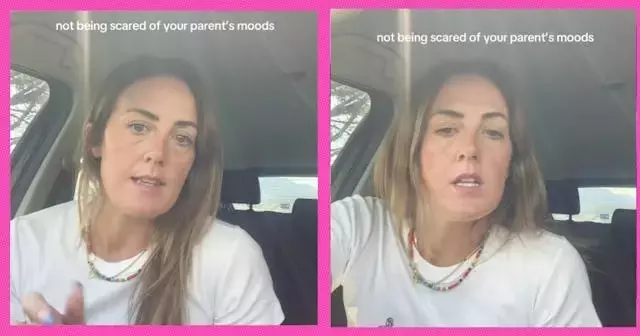
A TikTok discussion brought this issue to the forefront, with one participant, Muffin, passionately arguing that families should not be compelled to navigate their lives gingerly due to a parent's fluctuating mood. She highlighted her own family's dynamic, where her father's displeasure, though acknowledged, never dictated the emotional tone of their home. This healthy boundary allowed them to address issues constructively without internalizing his feelings or letting them overshadow their own experiences. This approach suggests that while parents' emotions are valid, they should not be permitted to unilaterally control the emotional landscape of the entire household, promoting a sense of safety and emotional stability for all members.
Cultivating Emotional Resilience in Children
The core message of this perspective is the critical importance of not making children responsible for their parents' emotional regulation. When children are constantly exposed to an environment where a parent's anger can instantly alter the household's mood, it can instill an unhealthy sense of responsibility in them to manage those emotions. This can be deeply damaging to a child's psychological development, potentially leading to anxiety, a fear of expressing their own feelings, and a perpetual need to walk on eggshells. Muffin emphasized that if one person's upset immediately makes everyone uncomfortable, it signifies an emotionally unsafe living situation, highlighting the need for parents to process their emotions maturely without transferring that burden to their offspring.
Furthermore, Muffin underscored the blessing of growing up with parents whose emotional states did not govern the collective emotions of the house, describing it as a "huge green flag" and a "safe space." This contrasts sharply with many individuals' childhood experiences, where parental moods were a source of significant trauma, stress, and anxiety. The comments section of the TikTok video revealed a widespread resonance with this sentiment, with many sharing stories of their own childhoods being held hostage by a parent's emotions. The article concludes by stressing that while it is natural for parents to experience a range of emotions, it becomes problematic when these feelings are used to instill fear or punish others, especially children, underscoring the vital need for parents to take responsibility for their own emotional management and cultivate an emotionally secure environment.
