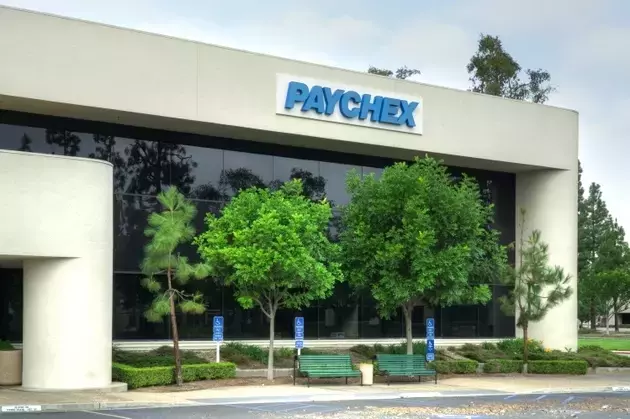
Paychex, a prominent entity in human capital management (HCM), is currently grappling with questions surrounding its growth trajectory, especially in the aftermath of its Paycor acquisition. Despite a significant 20% year-over-year revenue surge attributed to the acquisition, the underlying organic growth remains at a modest 4-5%. This situation casts a shadow of uncertainty over the company's long-term expansion capabilities, prompting a closer look at its financial standing and market perception.
While Paychex demonstrates remarkable profitability with a 47.7% adjusted operating margin and a 26% net margin, coupled with strong cash generation that supports a consistent and growing dividend, the market's enthusiasm appears tempered. Its current valuation, trading at 22 times earnings—a notable discount from its historical average of 32 times—signals investor apprehension. This cautious sentiment stems from the persistent low organic growth rates and the increased debt burden incurred from the acquisition, collectively raising doubts about the company's ability to achieve substantial, sustainable growth independent of major acquisitions.
Evaluating Paychex's Financial Resilience and Market Position
Paychex, a prominent provider of human capital management (HCM) solutions in the U.S., plays a crucial role in assisting businesses with their payroll, tax, human resources, employee benefits, and retirement planning needs. The company's revenue primarily derives from recurring fees associated with its payroll and HR software, alongside outsourced HR and professional employer organization (PEO) services, catering predominantly to small and medium-sized enterprises. This business model has historically underpinned its strong financial performance, characterized by impressive profitability and consistent cash flow generation, which, in turn, supports a reliable and growing dividend for its shareholders.
However, the recent acquisition of Paycor has introduced a new dynamic to Paychex's growth narrative. While the acquisition significantly boosted the company's reported revenue, leading to a 20% year-over-year increase, the organic growth rate has remained relatively modest at 4-5%. This disparity raises questions about the intrinsic growth potential of Paychex's core operations and whether the company can achieve sustainable expansion without relying on future acquisitions. The market's reaction, evidenced by a discounted valuation of 22x earnings compared to its historical average of 32x, underscores concerns about the long-term acceleration of growth and the implications of increased debt levels following the acquisition. Investors are keenly observing whether Paychex can successfully integrate its acquired assets and translate its robust profitability into more dynamic organic growth.
Strategic Growth Challenges and Future Outlook
The strategic path for Paychex moving forward involves navigating the challenge of enhancing organic growth beyond the immediate impact of acquisitions. The Paycor acquisition, while bolstering top-line revenue, has not yet translated into a significant acceleration of Paychex's underlying business expansion. This situation compels the company to focus on leveraging its integrated offerings and expanding its market reach within the highly competitive HCM sector. A critical aspect of this strategy will be demonstrating an ability to innovate and deliver superior value propositions that attract new clients and deepen relationships with existing ones, thereby driving organic revenue growth in a sustainable manner.
Furthermore, the elevated debt levels associated with the acquisition warrant careful management to maintain financial flexibility and stability. While Paychex's strong cash generation capabilities provide a buffer, sustained low organic growth could intensify scrutiny on its balance sheet and investment capacity for future initiatives. The company's long-term outlook hinges on its capacity to strategically deploy capital, not only for potential future acquisitions but also for internal investments in technology, product development, and market penetration. Successfully addressing these challenges will be key to re-establishing investor confidence, justifying a higher valuation multiple, and ensuring Paychex's continued leadership in the human capital management industry by proving its ability to achieve robust and sustained growth.
