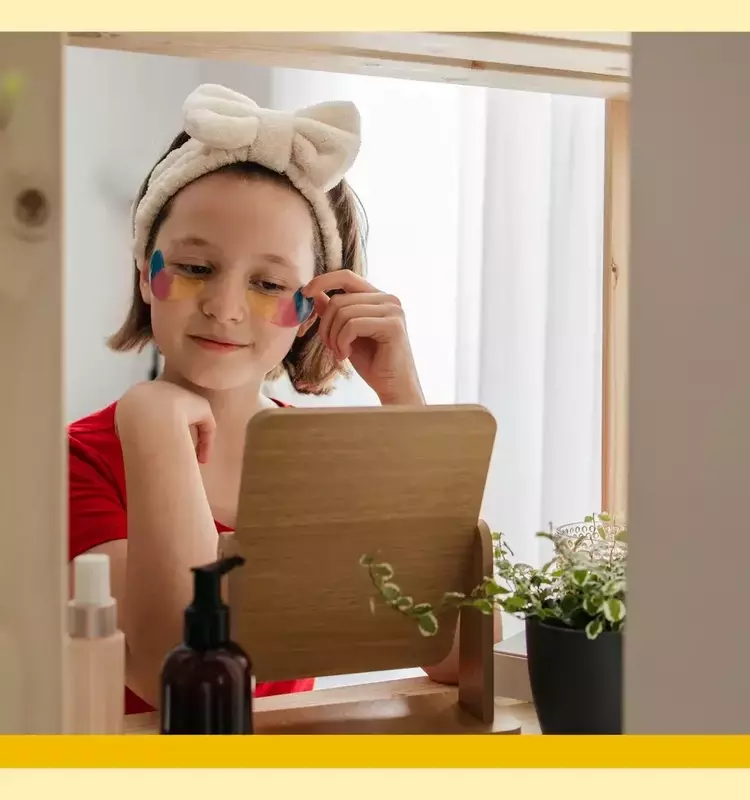
The internet's 'glow-up' phenomenon, heavily featuring beauty and skincare regimens, is significantly impacting young people, particularly teenage girls. These routines, often showcased on platforms like TikTok, encourage excessive product consumption and an unhealthy focus on physical transformation. Experts warn that this culture can lead to detrimental physical effects, such as skin irritation and long-term damage from unregulated products, alongside severe psychological consequences like heightened anxiety, depression, and body image issues. Parents are advised to implement digital controls and foster open dialogues to navigate these challenges, guiding their children towards a healthier relationship with social media and self-perception.
The Digital Mirror: Unpacking the 'Glow-Up' Trend and Its Repercussions
In the vibrant digital landscape, particularly across platforms such as TikTok and Instagram, a pervasive trend known as 'glow-up' culture has taken root, captivating the attention of countless young individuals. This phenomenon often involves elaborate routines centered around skincare, fashion, and beauty, meticulously documented and shared by influencers. A notable example involved a teenager's 'back-to-school' regimen, meticulously planned from a shopping spree at Ulta to an exhaustive multi-step skincare application, press-on nails, 'everything' showers, eyebrow lamination, gua sha lymphatic drainage, undereye patches, and teeth whitening. Such content, often garnering thousands of likes and shares, subtly promotes the notion that extensive and costly beauty rituals are essential for social acceptance and self-improvement among pre-teens and teenagers.
Dr. Whitney Casares, a pediatrician and author, highlights that this content often preys on young people's inherent insecurities, compelling them to invest heavily in products marketed as quick fixes for perceived flaws. This trend is not merely an innocent pastime; it carries significant physical and psychological risks. According to the American Academy of Pediatrics, many products endorsed in 'glow-up' videos are not regulated for safety or designed for juvenile skin, potentially causing immediate reactions like rashes and irritation, and raising concerns about long-term issues such as sun damage, skin thinning, and premature aging. The relentless pursuit of an idealized aesthetic also correlates with an increased desire for dieting and excessive exercise, fostering body dysmorphia and a distorted self-image, as noted by Grace Lautman, a nutritionist specializing in teen eating disorders.
Psychologically, constant exposure to beauty-centric content is a known precursor to body image dissatisfaction, comparative behaviors, and severe mental health challenges including anxiety, depression, and disordered eating. This perpetual cycle of self-doubt and the internalization of unattainable beauty standards is intensified by social media algorithms, which frequently expose young users to content promoting unrealistic body types (like 'skinnytok') and even inappropriate sexualized material (such as 'Bop House' content). While 'glow-up' culture predominantly targets girls, boys encounter their own version through 'looksmaxxing,' which promotes appearance optimization through varied, sometimes hazardous, practices including unregulated hormones.
To counteract these pervasive influences, parents are encouraged to actively engage. Implementing parental controls and utilizing age-appropriate account settings on social media platforms can help filter harmful content. More importantly, fostering open and critical conversations about media literacy—discussing the artificiality of social media filters, the construction of online messages, and the impact of algorithms—is crucial. By working collaboratively with their children to curate a healthier online environment, blocking problematic hashtags, and teaching them to prioritize content that genuinely interests them, parents can empower young individuals to develop resilience and a positive self-image amidst the pressures of digital culture.
The pervasive 'glow-up' culture on social media presents a significant challenge to the healthy development of young people. As a society, we must recognize the profound impact these digital trends have on self-esteem and mental well-being. It's imperative for parents, educators, and technology platforms to collaborate in fostering an environment where authenticity is celebrated over unattainable ideals. By promoting media literacy, encouraging critical thinking, and setting boundaries, we can empower the next generation to navigate the digital world with confidence and self-acceptance, valuing inner worth above superficial appearances.
