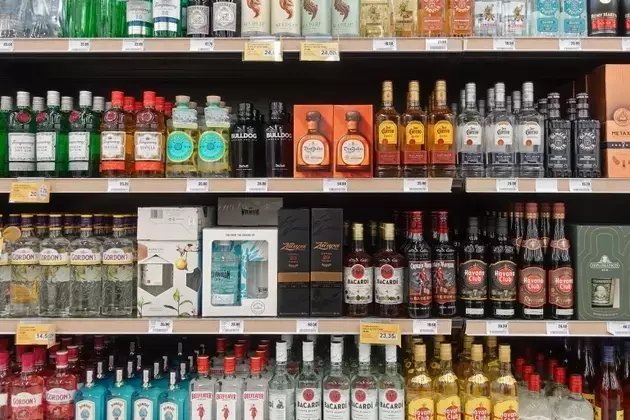
Pernod Ricard, a prominent player in the spirits industry, finds itself embroiled in the complex web of trade disagreements between the United States and the European Union. This geopolitical tension has cast a shadow over the company's market performance, leading to a notable downturn in its stock value. Despite these immediate challenges, an in-depth analysis suggests that the core business remains robust, and the drastic reduction in its share price may be an overreaction to temporary headwinds. Investors are currently weighing the impact of potential policy shifts against the inherent strength and market position of the brand portfolio.
The company's financial indicators, particularly its dividend policy, are under scrutiny as profitability margins face pressure. However, it appears that the market has largely factored in these potential risks. While the near future might bring continued volatility, the overall risk of further significant depreciation in the stock seems constrained. This situation presents a nuanced picture for investors, where short-term uncertainty coexists with a strong underlying business, hinting at possible long-term opportunities for those willing to navigate the current geopolitical climate.
Geopolitical Tensions and Market Impact
Pernod Ricard, a leading global spirits company, is currently contending with significant market volatility stemming from ongoing trade disputes between the United States and the European Union. These geopolitical complications have placed the company squarely in the crosshairs of economic policy, directly impacting its operational environment and investor sentiment. The resultant downturn in its stock, which has seen a considerable reduction in value over the past two years, underscores the market's apprehension regarding the sustained impact of these international trade barriers. This scenario highlights how broader political developments can directly influence the financial trajectory of multinational corporations, necessitating a keen awareness of macroeconomic factors in investment decisions.
The substantial decline in Pernod Ricard's stock price, despite its strong brand presence and global reach, indicates that market participants are keenly sensitive to the potential for trade tariffs and other protectionist measures to erode profitability. Such measures can disrupt supply chains, increase operational costs, and ultimately affect consumer prices, thereby influencing demand. The challenges posed by these political negotiations require companies like Pernod Ricard to adapt swiftly, often leading to strategic adjustments in pricing, distribution, and market focus. For investors, understanding the interplay between global politics and corporate performance is crucial in evaluating the true long-term value proposition of companies operating across diverse international markets.
Assessing Intrinsic Value Amidst Volatility
Despite the prevailing market pressures and the considerable fall in its share value, the intrinsic value of Pernod Ricard appears to be more resilient than its stock performance currently suggests. The dramatic nearly 70% decrease in the stock price over the recent period seems disproportionate when considering the company's solid fundamentals and its established position in the global spirits market. This disparity suggests that much of the perceived risk, including potential impacts on profit margins and the sustainability of dividend payouts, has already been absorbed into the current valuation. The market's reaction, while understandable given the external uncertainties, might overlook the company's long-term capacity for adaptation and growth.
While the prospect of continued profitability challenges could indeed pose a risk to the consistency of dividend payments, this possibility is largely integrated into the existing stock valuation. Investors looking beyond immediate market fluctuations might find that the current low price offers a compelling entry point, assuming the long-term outlook for the global spirits industry remains favorable and trade relations stabilize. The ongoing political negotiations will undoubtedly continue to exert short-term pressure, but the analysis indicates that the potential for further significant downside risk is constrained. This implies that while the immediate future may be turbulent, the underlying strength of Pernod Ricard's business model and brand equity could eventually lead to a recovery once geopolitical conditions become more predictable.
