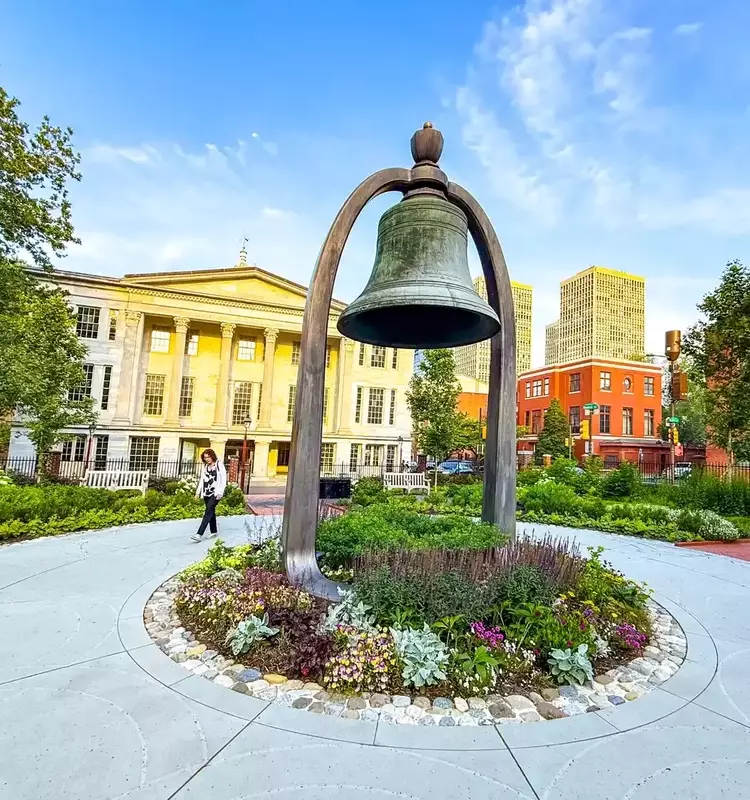
Philadelphia offers retirees a compelling blend of affordability, rich culture, and convenience, making it an attractive urban retirement destination. Unlike more expensive East Coast cities, it provides a financially feasible environment without compromising on access to essential services and engaging activities. The city's tax benefits, combined with a diverse housing market, contribute significantly to its appeal for those planning their post-career years. Additionally, Philadelphia boasts a vibrant arts scene, numerous historical landmarks, and a strong sense of community within its varied neighborhoods.
The city's commitment to public transportation and walkability ensures that retirees can navigate their daily lives with ease, whether it's visiting local markets or attending cultural events. Access to top-tier healthcare facilities further enhances Philadelphia's desirability, offering peace of mind for medical needs. Its strategic location provides easy access to other major cities and recreational areas, allowing for an active and connected retirement lifestyle. Overall, Philadelphia presents a well-rounded option for retirees seeking an urban experience that is both stimulating and sustainable.
Affordable Urban Living and Financial Benefits for Retirees
Philadelphia offers a distinctive advantage for retirees seeking an urban environment that remains financially accessible, setting it apart from other major East Coast metropolises like New York or Boston. The city's housing market is notably more affordable, with average home prices significantly lower than its counterparts, providing retirees with greater purchasing power. This affordability extends to a variety of housing options, from historic rowhomes to modern condos, catering to diverse preferences and budgets. Furthermore, Pennsylvania's retiree-friendly tax policies are a major draw, as they exempt Social Security benefits, pensions, and withdrawals from retirement accounts like 401(k)s from state income tax. These financial advantages allow retirees to retain a larger portion of their income, enabling them to pursue leisure activities, support family, or simply enjoy a more comfortable and secure retirement.
The strategic financial landscape of Philadelphia, characterized by its reasonable cost of living and favorable tax regulations, makes it an excellent choice for individuals transitioning into retirement. The ability to find diverse and affordable housing without sacrificing quality of life is a key factor. Whether retirees prefer the charm of historic districts or the convenience of modern developments, Philadelphia's real estate market offers viable options. The substantial tax breaks on retirement income further enhance the city's appeal, providing financial flexibility that is often scarce in other urban centers. This combination of economic prudence and urban convenience positions Philadelphia as a leading destination for retirees looking to maximize their savings and enjoy a vibrant city life.
Vibrant Culture, Connectivity, and Comprehensive Healthcare
Beyond its financial advantages, Philadelphia thrives as a cultural and social hub, offering retirees a dynamic and engaging lifestyle. The city's rich historical tapestry is seamlessly integrated with contemporary arts and entertainment, providing endless opportunities for intellectual stimulation and cultural enrichment. Residents can explore numerous world-class museums, theaters, and galleries, or immerse themselves in the diverse events and festivals that animate the city year-round. This cultural vibrancy is complemented by a strong sense of community, fostered within Philadelphia's distinct neighborhoods, each offering a unique character and pace of life. Educational institutions like the University of Pennsylvania, Temple University, and Drexel University further contribute to this stimulating environment by hosting a variety of lectures, workshops, and events accessible to all ages, encouraging lifelong learning and mental engagement.
Philadelphia's excellent transportation infrastructure, including extensive public transit and convenient regional connections, ensures seamless mobility for retirees. Walkable neighborhoods allow for easy access to daily necessities and local attractions, reducing reliance on personal vehicles. The city's Amtrak service connects to major East Coast cities, while its international airport facilitates broader travel, making it ideal for those who wish to visit family or explore new destinations. Crucially, Philadelphia is also home to top-tier healthcare systems, including nationally ranked hospitals, providing retirees with access to comprehensive medical care and specialized treatments. This combination of a rich cultural scene, robust connectivity, and superior healthcare services ensures that retirees in Philadelphia can enjoy an active, healthy, and fulfilling lifestyle with confidence and ease.
