The Pillars of Enduring Brand Loyalty: Nurturing Customer Relationships for Sustainable Growth
In today's dynamic marketplace, cultivating robust brand loyalty is paramount for any enterprise aiming for sustained expansion and heightened profitability. Businesses that successfully foster deep connections with their clientele witness substantial benefits, including increased purchasing frequency and accelerated revenue generation, far surpassing competitors with less engaged customer bases. This discussion examines the core principles of brand loyalty, outlines successful approaches for nurturing it, and identifies crucial indicators for assessing its impact. Furthermore, we delve into the historical evolution of corporate priorities, moving from a strict focus on shareholder value to a more inclusive, customer-centric framework that recognizes the intrinsic link between customer satisfaction and long-term success.
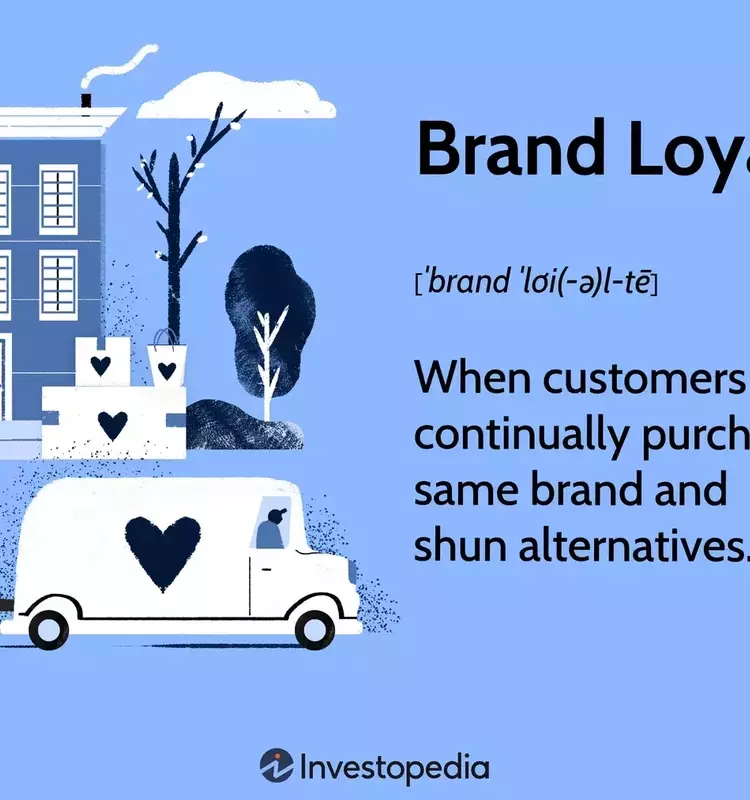
Brand loyalty represents an unwavering commitment from consumers to repeatedly choose a particular brand, irrespective of pricing fluctuations. This dedication is born from a perception of superior quality and service, distinguishing it from mere customer loyalty programs that often rely on discounts and competitive pricing. Companies deeply value this repeat business, as it is demonstrably more cost-effective to retain existing patrons than to constantly acquire new ones through aggressive marketing campaigns.
To cultivate and sustain this invaluable asset, businesses deploy a range of strategic initiatives. These include rigorously monitoring consumer purchasing trends, meticulously analyzing spending data, and crafting targeted advertising campaigns designed to resonate with specific customer segments. The goal is to establish a perception of unparalleled quality and service that differentiates the brand in a crowded market.
The impact of brand-devoted customers on a company's financial health is profound. Data from the Harvard Business Review (HBR) underscores that organizations excelling in brand and customer loyalty metrics achieve revenue growth rates 2.5 times higher than their industry counterparts, alongside delivering two to five times greater returns to investors. Moreover, existing loyal customers typically spend 67% more than new customers, illustrating the significant economic advantage of retention over acquisition.
Effective strategies for building enduring brand loyalty revolve around several key pillars. Firstly, consistently delivering best-in-class product quality transforms occasional buyers into fervent brand advocates who enthusiastically spread positive word-of-mouth. Secondly, providing exceptional customer service, encompassing readily available support through various channels—be it 24/7 chat, social media, phone, or support tickets—can be a decisive factor, making customers feel genuinely valued and distinguishing the brand from its rivals.
Thirdly, engaging brand ambassadors who possess authentic enthusiasm, profound product knowledge, and a knack for fostering strong customer relationships can significantly bolster loyalty. Fourthly, implementing robust loyalty programs that offer exclusive incentives to existing customers, particularly for premium brands, can serve as a compelling reason for consumers to opt for the brand over more budget-friendly alternatives. Lastly, in the digital age, establishing a vibrant online community through social media platforms allows brands to forge deeper, more personal connections with their audience, offering behind-the-scenes glimpses and interactive Q&A sessions.
Measuring customer devotion is crucial for assessing the efficacy of these strategies. Key metrics include customer retention rates—the percentage of customers a company retains over a specific period; customer lifetime value (CLV)—the total profit a customer is expected to generate throughout their relationship with the company; customer satisfaction, often gauged through surveys; and the Net Promoter Score (NPS), which indicates customers' willingness to recommend a product or service.
Historically, the corporate landscape has witnessed a philosophical shift regarding a company's primary objective. In the 1950s, Peter Drucker, often hailed as the father of modern management, posited that the true essence of business lies in creating and nurturing customers. This contrasted sharply with Milton Friedman's 1970s assertion that a corporation's sole purpose is to maximize shareholder value, a concept that ushered in an era of shareholder primacy.
However, by 2019, leading CEOs from the Business Roundtable, including figures like Tim Cook of Apple and Jeff Bezos of Amazon, publicly redefined the purpose of a corporation. They declared that a company's responsibility extends beyond merely advancing shareholder interests to encompass delivering value to customers by championing environmental protection, ethical sourcing, and other stakeholder concerns. This evolution highlights a growing recognition that strong customer relationships, underpinned by genuine loyalty and a commitment to broader societal values, are indispensable for long-term organizational prosperity.
Brand loyalty differentiates itself from customer loyalty primarily through its foundation. Brand loyalty is rooted in a consumer's perception of a brand's image and their overall experience with it. It suggests an emotional or psychological attachment that leads to repeat purchases, often overriding price considerations. Conversely, customer loyalty is typically more transactional, driven by factors such as competitive pricing, discounts, and rewards programs. While customer loyalty seeks the best deal, brand loyalty seeks the preferred experience, regardless of a potentially higher cost. Therefore, a brand-loyal customer will stick with a product they perceive as superior, while a customer-loyal individual might switch brands for a better price or offer.
