Empowering Financial Futures Through Expert Guidance
Understanding the National Foundation for Credit Counseling (NFCC)
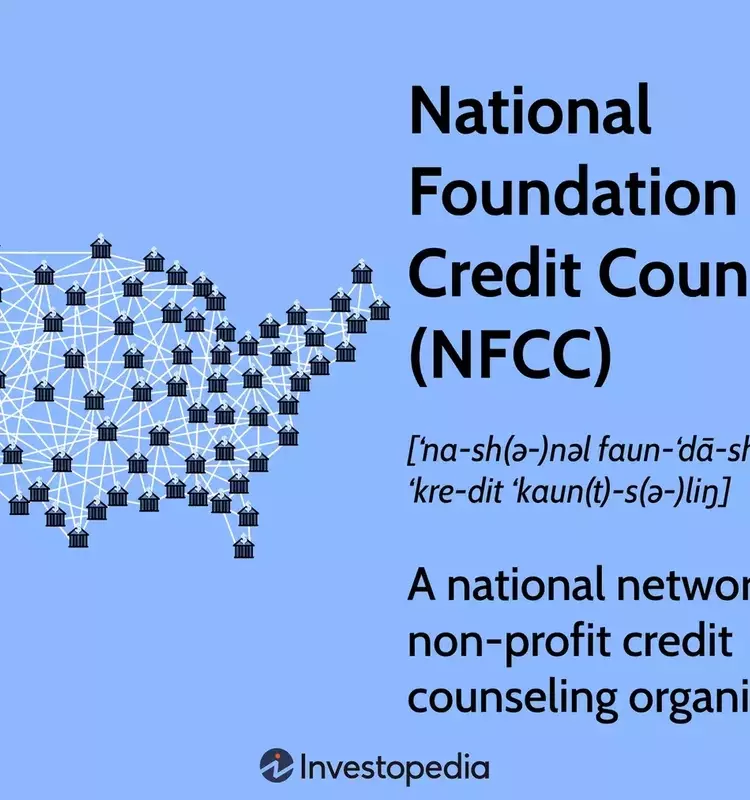
The National Foundation for Credit Counseling (NFCC) functions as a comprehensive network of non-profit organizations dedicated to empowering individuals to achieve financial stability. This organization specializes in facilitating access to various forms of debt relief, alongside offering extensive educational programs focused on budgeting and credit. Its overarching mission is to equip consumers with the necessary tools and knowledge to make informed financial decisions, thereby reducing their reliance on extreme measures such as bankruptcy.
How the National Foundation for Credit Counseling Ensures Quality Service
Established in 1951, the NFCC has cultivated a widespread presence, encompassing agencies across all 50 U.S. states, the District of Columbia, and Puerto Rico. Beyond its direct service provision, the NFCC plays a crucial role as a central coordinating entity, advocating for the credit counseling industry's interests within the United States government. A key aspect of its operations involves the meticulous accreditation of member firms and the provision of continuous training and resources to debt counselors. This rigorous approach ensures that all advice and services meet high standards of reliability and effectiveness.
Upholding Trust and Accountability in Credit Counseling
To maintain NFCC accreditation, member firms must adhere to strict criteria, including regular staff training and comprehensive annual audits of their operational and trust accounts. These measures are critical for ensuring transparency and accountability, particularly given past criticisms within the credit counseling industry regarding the potential exploitation of vulnerable consumers. By enforcing these standards, the NFCC aims to safeguard client interests, ensuring that funds are managed responsibly and disbursed promptly to creditors, and that services are clearly communicated, including any associated fees.
Advantages of Engaging with NFCC-Accredited Services
Individuals facing financial hardship can significantly benefit from the expertise offered by NFCC-accredited credit counselors. These professionals provide a range of services designed to address various financial challenges, from reviewing credit scores and offering strategies to prevent foreclosures to educating on responsible use of financial products like reverse mortgages and assisting with student loan repayment plans. Through tailored debt management plans (DMPs), clients can work towards consolidating their debts into more manageable monthly payments, paving a clear path toward financial recovery and independence.
Navigating Complex Financial Topics: Bankruptcy, Debt Collection, and Credit Repair
In addition to direct counseling, the NFCC also provides valuable educational resources on critical financial topics. This includes in-depth guidance on bankruptcy counseling, where individuals can explore the implications of filing for bankruptcy versus alternative debt solutions. It also sheds light on the Fair Debt Collection Practices Act (FDCPA), informing consumers about their rights and the legal limitations on debt collectors. Furthermore, the NFCC clarifies the distinction between credit repair and credit counseling, emphasizing that while credit repair focuses on improving credit scores, credit counseling offers broader education to foster sound financial decision-making.
The Ultimate Goal: Empowering Informed Financial Decisions
Ultimately, the National Foundation for Credit Counseling serves as an indispensable organization dedicated to enhancing the integrity and effectiveness of the credit counseling industry. Through its commitment to setting and enforcing high standards, providing extensive training, and connecting consumers with trusted counseling services, the NFCC empowers individuals to confidently address their financial challenges. This enables them to navigate their financial journey with greater knowledge and security, fostering long-term financial health and stability.
