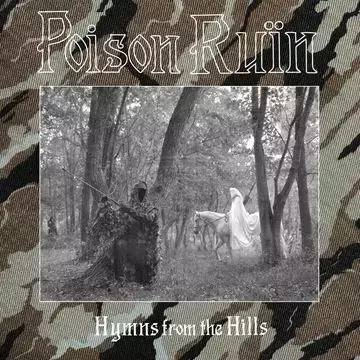
Poison Ruïn, the Philadelphia-based punk ensemble known for its distinctive medieval aesthetic, has unveiled their second full-length album, Hymns From the Hills, marking a notable evolution in their musical journey. This release demonstrates a departure from their earlier, raw sound, embracing more polished production techniques and intricate melodic structures. The band, fronted by Mac Kennedy, adeptly weaves social commentary into their work, drawing parallels between historical struggles and contemporary issues. Their latest offering showcases a sophisticated fusion of diverse heavy music genres, resulting in a compelling auditory experience that underscores their unique artistic identity.
Poison Ruïn Elevates Sound and Message on 'Hymns From the Hills'
On April 6, 2026, music critic Brad Sanders reviewed Poison Ruïn's latest album, Hymns From the Hills, which was released by Relapse Records. The medieval-inspired punk group from Philadelphia, led by founding member Mac Kennedy, has made a significant leap forward in their musical expression. The new album, a rock genre release, is a testament to the band's growth, featuring a more accessible sound with enhanced production quality and memorable melodies. Kennedy's lyrical narratives on tracks like the title song and "Eidolon" poignantly address societal inequalities and fears, drawing connections between historical injustices and modern-day concerns about borders and belonging. The album's sonic landscape is rich, incorporating elements from peace-punk, deathrock, crust, NWOBHM, dungeon synth, and black metal. From the evocative synth intro of "Lily of the Valley" to the folk-punk undertones of the title track and the progressive rock flourishes in "Howls From the Citadel," Poison Ruïn demonstrates a remarkable versatility. The intensity of black metal, previously a subtle undercurrent, bursts forth in "The Standoff," highlighting drummer Allen Chapman's powerful contributions. Even with the increased polish, the band maintains an intentional rawness, as evidenced by Kennedy's use of tape splicing in the mixing stage for tracks like "Puzzle Box," ensuring that their rebellious spirit remains intact while allowing the complex arrangements to shine.
This album serves as a poignant reminder that while eras and technologies change, many fundamental aspects of the human condition and societal structures remain eerily consistent. Poison Ruïn's ability to fuse historical imagery with contemporary critique offers listeners a fresh perspective on enduring social challenges. Their journey from raw, elemental punk to a more nuanced, grander sound provides inspiration, demonstrating that artistic evolution can amplify a message without diluting its core power. It suggests that even with increased sophistication, the spirit of rebellion and social consciousness can thrive, making their music not just an auditory experience, but a thought-provoking commentary on our shared human experience.