Precious Metals and Cryptocurrencies Decline Amid Geopolitical Tensions and Federal Reserve Decisions
Precious metals and digital currencies recently faced substantial downturns, with gold, silver, and Bitcoin all experiencing notable price reductions. This decline occurred in the wake of the Federal Reserve's decision to keep interest rates steady, alongside increasing geopolitical instability in the Middle East. These developments have reshaped investor sentiment, leading to a shift away from assets traditionally considered safe havens, as market participants grapple with the implications of persistent inflation and a strengthening U.S. dollar.
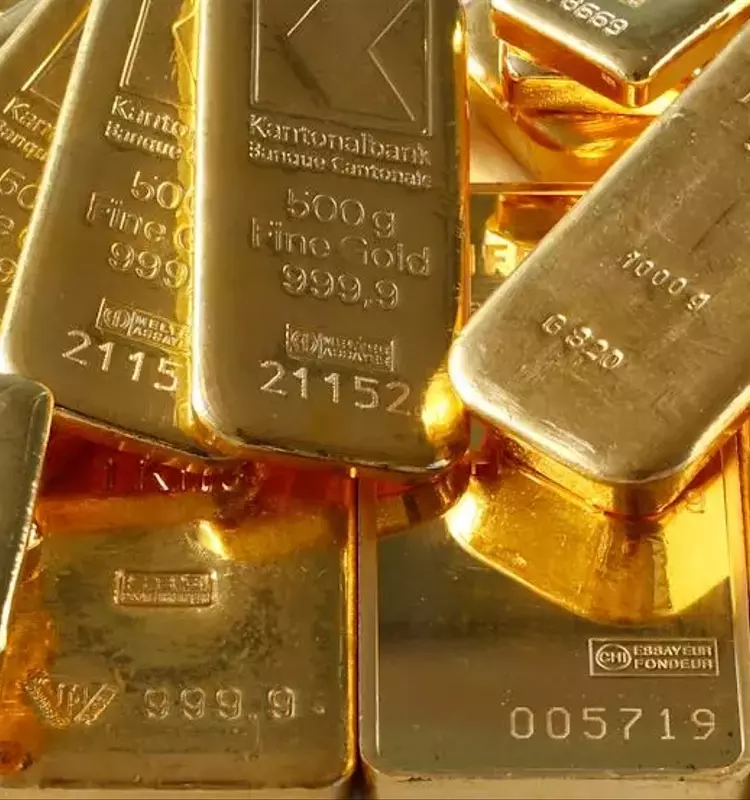
On Thursday, gold futures saw a drop of up to 6%, with prices falling to approximately $4,600 per ounce. The broader metals market mirrored this trend, as silver plunged by 13% and copper by 5%. Even Bitcoin, often referred to as 'digital gold,' was not immune, with its value dipping below $70,000. This market reaction highlights a divergence from the typical behavior of safe-haven assets during periods of geopolitical uncertainty, as various economic forces exert counteracting pressures.
Market strategists point to several factors contributing to this unusual market dynamic. Primarily, the rise in oil prices has fueled inflation expectations, leading to concerns that the Federal Reserve and other central banks might sustain higher interest rates for an extended period. Consequently, yields on long-term bonds have increased, diminishing the appeal of non-yielding assets like gold and other metals. Furthermore, the U.S. dollar has appreciated by 3% over the past month, adding additional downward pressure on assets denominated in the currency. Since the onset of the Middle East conflict on February 28, gold has depreciated by approximately 13%.
Ole Hansen, a leading commodity strategist at Saxo Bank, noted that gold's inability to surge despite geopolitical stress signals a temporary dominance of macroeconomic and technical headwinds over its conventional safe-haven allure. He observed that the recent breach of key technical support levels has triggered momentum-driven selling, as investors liquidate profitable positions to enhance their liquidity. While gold has still managed a roughly 4% gain year-to-date, following a significant 65% increase last year driven by central bank acquisitions, ETF inflows, and strong Asian demand, its recent performance underscores a shift in market dynamics.
Silver, known for its higher volatility and sensitivity to speculative positioning, has seen an even steeper decline since its late January sell-off, with prices nearing a December low of $68 per ounce. Hansen further explained that worries about the impact of higher energy costs on global economic activity exacerbate these pressures, intensifying the downside risks for silver during market corrections. Similarly, digital assets, which had shown some resilience since the start of the conflict, also experienced losses. Bitcoin fell by 3% on Thursday, after reaching a February high earlier in the week, and Ether also declined by 4%, trading around $2,130.
The recent market movements demonstrate that even assets historically regarded as safe havens are susceptible to the complex interplay of monetary policy expectations, inflation concerns, and broader geopolitical events. The Federal Reserve's decisions, coupled with global tensions, have created an environment where traditional investor strategies are being re-evaluated, leading to a period of heightened volatility and price adjustments across various asset classes.
