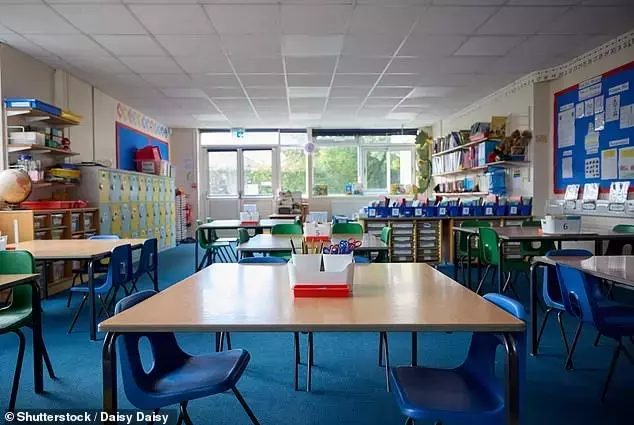
A recent analysis highlights a growing trend in the housing market: parents are increasingly prepared to invest significantly more to reside near highly-rated public educational institutions. This escalating demand, amplified by recent adjustments to private school tuition fees, is fostering intense competition for properties within desirable school zones. The pursuit of optimal educational environments for their children is placing considerable financial and emotional strain on families.
The Soaring Value of School Zone Homes: A Detailed Examination
According to comprehensive research by Santander, families are now, more than ever, willing to stretch their budgets substantially to acquire properties located within the designated attendance zones of high-performing state schools. The data reveals that the average parent would commit an additional £45,000 to secure a residence within the catchment of a school boasting an 'outstanding' or 'good' rating from Ofsted. This reflects a willingness to pay a premium of approximately 15 percent above the average property value, which currently stands at £298,237 according to the Halifax House Price Index. This year, nearly three-quarters of parents expressed readiness to incur such extra costs, a notable increase from 63 percent just twelve months prior, underscoring the intensifying scramble for coveted state school placements.
A pivotal factor fueling this surge is the implementation of a Value Added Tax (VAT) increase, potentially up to 20 percent, on private school fees, which took effect in January of this year. This policy shift, removing a long-standing VAT exemption for private educational establishments, was designed to bolster national coffers. Consequently, a considerable portion of parents, specifically 21 percent, are now contemplating withdrawing their children from private institutions due to the elevated costs. Of this group, a significant 69 percent indicated a readiness to relocate to ensure their children gain entry into the most sought-after state school catchment areas, as per Santander's findings.
David Morris, a leading figure in home finance at Santander, observed that parents are making profound financial and personal sacrifices to provide their offspring with superior educational foundations. He offered a ray of hope, suggesting that an influx of properties entering the market, combined with stabilizing interest rates and improved affordability metrics, might soon alleviate some of the pressure on these families, enabling more to secure homes in their desired school locales.
Geographically, the financial impact of this educational premium varies dramatically across the United Kingdom. In the bustling capital, London, parents could expect to pay an astounding £81,000 more for a home in a top school district, pushing the average price to £620,901. The South East sees an additional cost of £58,239, bringing homes to an average of £446,499, while the East of England requires an extra £50,174, totaling £384,668. Other regions also report significant premiums: £36,777 in the East Midlands, £39,040 in the West Midlands, and £45,346 in the South West. Northern areas such as the North West, Yorkshire and the Humber, and the North East, along with Northern Ireland and Scotland, show premiums ranging from £26,588 to £36,344. Such is the fierce competition that some parents are even prepared to pay a staggering 25 percent above the average property price, an extra £74,559, elevating the purchase price to £372,796.
However, prospective buyers are urged to exercise caution. Not all state schools operate with rigid catchment areas; admissions may hinge on entrance examination results, and even within designated zones, places are not guaranteed if a school is oversubscribed or prioritizes applicants based on academic performance. Furthermore, catchment areas are not static and can change, potentially undermining long-term educational plans and impacting property values. The intense competition is not without its human cost, with a third of parents reporting considering homeschooling due to stress, and some even losing friendships over the rivalry for school places, alongside experiencing significant sleep deprivation. The increasing desire for premier schooling has also led families to consider moving an average of 31 miles, an increase of nine miles from the previous year, highlighting the lengths to which parents will go.
This dynamic in the housing market vividly illustrates the profound societal value placed on quality education. The willingness of parents to commit significant financial resources and endure considerable stress underscores a deeply ingrained belief in the transformative power of a good school. As private education becomes less accessible for many due to rising costs, the pressure on the state system will only intensify, potentially leading to further inflation in property values within desirable school zones. This situation calls for a broader societal discussion on equitable access to high-quality education, ensuring that a child's learning opportunities are not solely dictated by their parents' capacity to afford a premium postcode. Policy makers might need to consider strategies to alleviate this intense competition, perhaps through investment in school infrastructure and teacher recruitment, to enhance the standard of all educational institutions, thereby lessening the geographic lottery that currently dictates access to perceived 'best' schools.