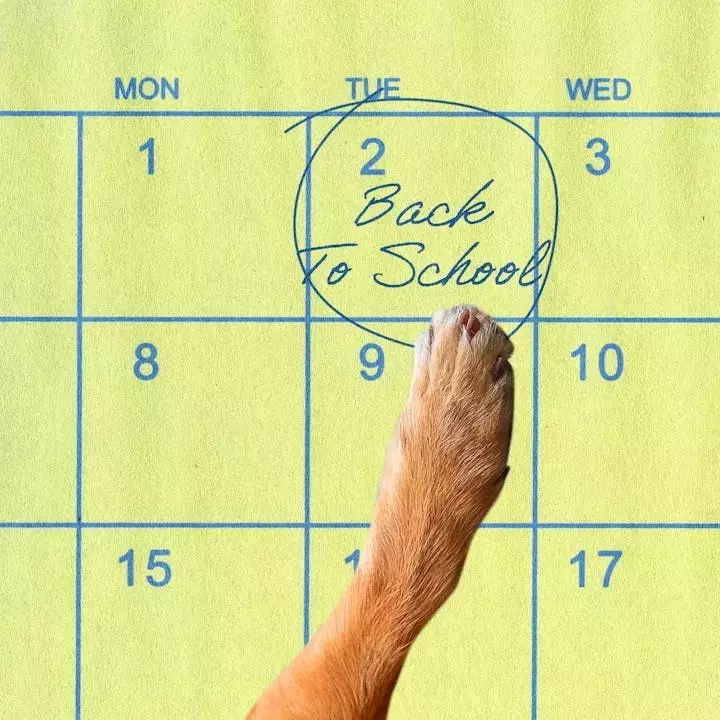
Smooth Transitions: A Guide to Your Dog's Back-to-School Success
The Unseen Impact: How Shifting Family Schedules Affect Your Pet
With the Fourth of July celebrations behind us, we're transitioning from the heart of summer to its closing weeks. This period signals a return to structured routines, not just for humans, but for our pets too. While thoughts might drift from poolside relaxation and summer reads to school bags and lunchboxes, it's crucial to extend this preparedness to our four-legged family members.
Expert Insights: Why Canine Preparation is Paramount for School Reopening
According to Dr. Amy Pike, a certified veterinary behaviorist at the Animal Behavior Wellness Center in Virginia, preparing your dog for the school year's demands is just as vital as getting your children ready for earlier mornings. Dr. Pike emphasizes that assuming your dog will simply adapt without specific preparation is a common misstep. She advises that families should proactively implement a new routine well before the major transition, allowing dogs to gradually adjust to earlier wake-up times and increased periods of solitude at home.
Proactive Steps: Essential Strategies for Your Dog's Back-to-School Adjustment
While your dog won't be needing new school supplies, acknowledging that the back-to-school period is a significant life change for them is key. Early preparation can significantly reduce stress, anxiety, and the emergence of undesirable behaviors when the household suddenly becomes much quieter. The American Kennel Club suggests several strategies for a seamless transition:
- Gradually modify daily schedules, including wake-up times, walks, meals, and periods of alone time, before school commences.
- Keep your dog's mind active with puzzle toys, treat-dispensing toys, and hidden treats to combat boredom.
- Plan for adequate bathroom breaks, understanding your dog's endurance, or arranging for a midday relief.
- Utilize calming background sounds, such as a TV, radio, or specialized dog sound machines, if your dog tends to be anxious.
- Incorporate vigorous morning exercise, like a long walk or active play, to help your dog rest calmly during your absence.
- Ensure departures are calm and understated, using a favorite toy or treat as a positive diversion rather than dramatic goodbyes.
Individual Responses: Understanding How Different Dogs Cope with Change
Dr. Pike notes that not every dog will react identically to changes in household routines, such as the start of the school year. Many dogs flourish with consistent structure, and the academic calendar often provides more predictability than summer. However, dogs that struggle with adaptability or exhibit separation-related issues, including separation anxiety, are more likely to be affected by significant transitions. Situations where families move from being home all summer to returning to work and school in the fall can be particularly stressful, especially for dogs experiencing such transitions for the first time.
Identifying Distress: Recognizing Signs of Anxiety in Your Canine Companion
According to the veterinary behaviorist, key indicators that your dog might be experiencing anxiety include a diminished appetite, restlessness, destructive behavior towards household items, inappropriate urination or defecation inside the home, and even digestive upsets like vomiting and diarrhea. Dr. Pike stresses that anxiety can manifest in various ways, making it crucial for owners to closely observe their dog's subtle cues. She also recommends setting up video monitoring to capture less obvious signs of stress, such as pacing, panting, or vocalizations, which might otherwise go unnoticed. Early detection is vital, as untreated anxiety can worsen over time.
Seeking Help: The Importance of Early Intervention for Canine Anxiety
Dr. Pike strongly advises families who observe any of these behavioral changes in their dogs to consult their veterinarian promptly. She emphasizes that dogs do not naturally overcome anxiety, and seeking professional advice without delay is critical. Prompt veterinary intervention can provide the necessary support and strategies to help your dog manage stress and anxiety effectively, ensuring their well-being throughout the back-to-school period and beyond.
