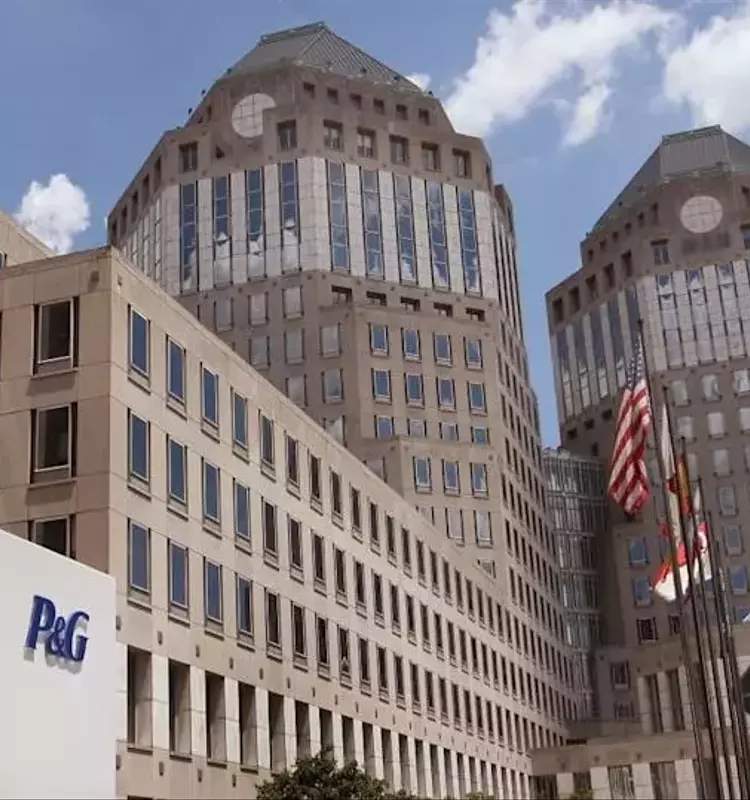
Procter & Gamble (P&G) has cemented its position as a steadfast investment, boasting an unbroken record of dividend increases for seven decades. This remarkable consistency is underpinned by its diversified portfolio of daily necessities, which generates resilient cash flows regardless of economic conditions. For investors prioritizing long-term income and stability, P&G presents a compelling case due to its robust dividend coverage and proven ability to weather significant global challenges.
P&G's core strength lies in its indispensable product offerings, which include household names like Tide, Gillette, Crest, and Pampers. These products are not luxury items but essential goods that consumers purchase routinely, driven by household needs rather than economic cycles. This inherent inelasticity in demand grants P&G significant pricing power, enabling it to navigate inflationary pressures and rising commodity costs while maintaining healthy operating margins and consistent organic growth across its segments. The company's financial resilience is further highlighted by its impressive free cash flow, which comfortably covers its substantial dividend payouts, ensuring that shareholder returns are sustained even during turbulent times.
The Enduring Power of Essential Consumer Brands
Procter & Gamble's business model is inherently robust, designed to withstand various economic downturns through its focus on everyday consumer essentials. Brands such as Tide, Gillette, Crest, and Pampers are not discretionary purchases; rather, their demand is driven by fundamental household routines and biological necessities. This consistent demand ensures a predictable revenue stream for P&G, distinguishing it from companies heavily reliant on cyclical or luxury markets. The stability of consumer spending on these essential items provides P&G with a significant advantage, allowing it to maintain financial health and continue rewarding its shareholders.
The inelastic nature of demand for P&G's products also provides the company with considerable pricing flexibility. Even in periods of economic inflation or increased input costs, P&G has demonstrated its ability to implement price adjustments without significantly impacting sales volumes. This pricing power, coupled with efficient operational management, contributes to strong operating margins and consistent organic growth across its diverse product categories. The company's long-standing presence and brand loyalty further solidify its market position, making it a reliable performer even when the broader market faces headwinds.
A Legacy of Consistent Shareholder Returns
Procter & Gamble's exceptional track record of 70 consecutive years of dividend increases underscores its commitment to shareholder value and its financial fortitude. This uninterrupted dividend growth, sustained through major historical events like the Great Depression and two World Wars, highlights the company's ability to generate reliable income for its investors. With consistent dividend payments and share repurchase programs, P&G offers a steady income stream that can be particularly attractive to long-horizon investors seeking predictable returns rather than speculative growth.
The financial health supporting P&G's dividend is evident in its strong free cash flow and dividend coverage ratio. The company consistently generates free cash flow significantly in excess of its dividend obligations, ensuring that payouts are well-supported with ample room for reinvestment and debt management. This conservative financial approach, combined with a low beta, signals a stable investment profile that is less susceptible to market volatility. While P&G might not offer the explosive growth seen in high-tech sectors during bull markets, its core appeal lies in its unwavering reliability and its capacity to deliver compounding income through all market cycles.
