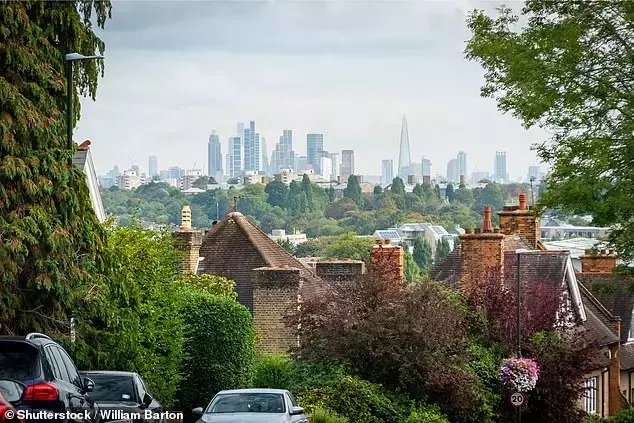
The property sector in the United Kingdom is currently facing considerable turbulence, largely due to mounting speculation about new tax policies in the forthcoming Autumn Budget. This highly anticipated financial statement, rescheduled for late November, has already caused a palpable sense of unease among both buyers and sellers. Estate agents across the country are observing a worrying trend: a significant proportion of property deals are collapsing, as market participants grapple with the uncertainty of future fiscal conditions. This climate of apprehension could lead to a prolonged period of stagnation, or even a downturn, in house prices, extending into the new year.
Amidst the swirling rumors of significant tax overhauls, the real estate market finds itself at a crossroads. The delay of the Budget announcement has inadvertently prolonged a period of speculative anxiety, leading many to adopt a 'wait and see' approach. This hesitation is not merely impacting individual transactions but is creating broader implications for market dynamics. The prospect of fundamental shifts in property taxation, such as changes to stamp duty or capital gains, is causing a ripple effect, prompting some to accelerate their purchases while others choose to pause their plans entirely, fundamentally altering the pace and confidence within the housing sector.
Budget Delays Fuel Market Instability
The postponement of the Autumn Budget to late November has exacerbated an already fragile property market, leading to a significant increase in failed sales. According to leading estate agents, almost one-fifth of property agreements in August were terminated due to buyer apprehension over potential tax reforms. This prolonged period of uncertainty, now stretching an additional 84 days, has created a hesitant environment, with fears of new levies on homeownership, capital gains, and landlord income dominating discussions. The market is witnessing a split, with some frantically trying to finalize transactions before new rules come into effect, while others withdraw completely, pushing the market towards a state of paralysis.
The uncertainty introduced by the rescheduled Budget has directly impacted buyer confidence and transactional stability. Martyn Gerrard Estate Agents, with a strong presence in London, has reported a marked rise in buyers retracting offers shortly after acceptance, attributing this directly to anxiety over potential tax changes. This reactive behavior underscores a fundamental misunderstanding, or at least a deep concern, regarding how proposed policies might reshape the housing landscape. The current situation suggests that until clear and definitive statements emerge from the Treasury, the market will remain volatile, characterized by rushed completions on one side and prolonged delays on the other, creating a challenging environment for all stakeholders.
Prospective Tax Reforms and Market Impact
Rumors regarding significant alterations to property taxation are at the heart of the current market disruption. Proposed changes include replacing stamp duty with an annual property tax for homes above £500,000, levying capital gains tax on primary residences valued over £1.5 million, and adjusting gifting rules, which could complicate down payment assistance for younger buyers. Furthermore, there is speculation about imposing National Insurance contributions on rental income for landlords. These potential reforms, particularly the introduction of capital gains tax on main homes, are viewed as deeply concerning by industry experts, fearing they could deter downsizing, restrict housing supply, and ultimately drive up prices, mimicking the adverse effects seen from changes to non-domicile tax status.
The array of rumored tax adjustments is casting a long shadow over the property market, leading to widespread indecision. The possibility of new wealth taxes, reminiscent of past policies that prompted an exodus of high-net-worth individuals, further compounds the anxiety. While some, particularly those contemplating high-value transactions, might welcome a shift from large, one-off stamp duty payments to an annual tax, the overall sentiment is one of caution and paralysis. This hesitancy among potential buyers and sellers, waiting for concrete policy announcements, is likely to keep house prices flat, or even lead to slight declines, throughout the remainder of the year and into early 2026, as the market navigates this period of profound uncertainty.