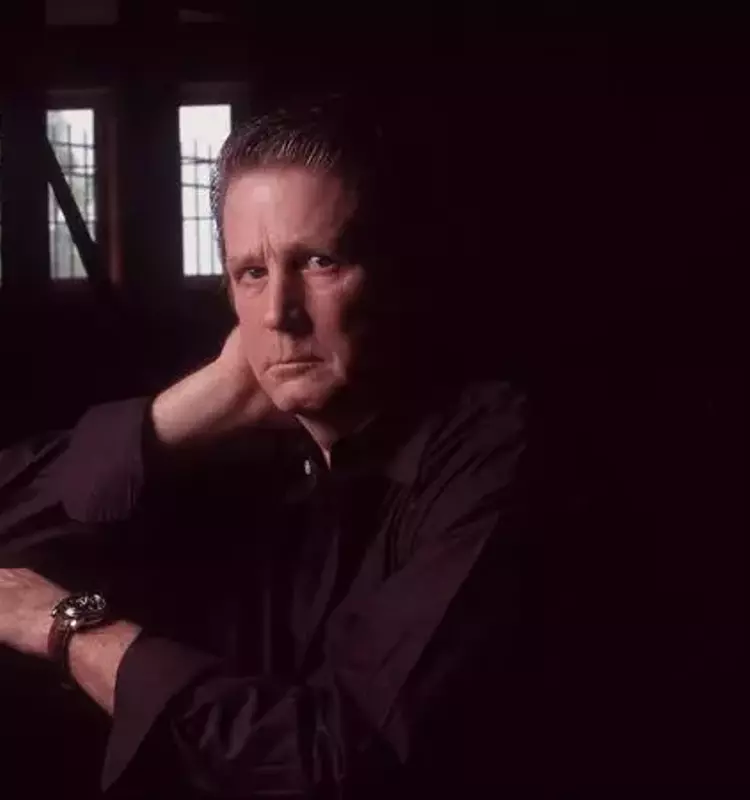
The music world mourns the loss of Rebekah Del Rio, a vocalist whose powerful voice left an indelible mark on cinematic and musical landscapes. Her most celebrated contribution, a haunting rendition of \"Llorando\" in David Lynch's iconic film Mulholland Drive, captivated audiences and became a cornerstone of the film's emotional depth. Del Rio's journey from a country singer in San Diego to a key artistic collaborator with David Lynch is a testament to her unique talent and the profound impact of her vocal artistry. Her career spanned albums like All My Life - Toda Mi Vida and included performances in Lynch's television series, Twin Peaks: The Return, solidifying her status as an artist whose work was deeply intertwined with the surreal and emotionally charged worlds created by the acclaimed director.
Rebekah Del Rio, a singer with Mexican, Italian, and Sephardic roots, honed her craft as a country musician in San Diego before her pivotal encounter with David Lynch. Her signature song, \"Llorando,\" a Spanish interpretation of Roy Orbison's classic \"Crying,\" had been a part of her repertoire since the early 1990s, often performed without instrumental accompaniment due to its challenging chord progressions. The decision to record a Spanish version was deeply personal, motivated by the tragic loss of Tejano star Selena in 1995, an event that resonated profoundly with Del Rio and the Hispanic community.
A fated phone call from her agent led Del Rio to a meeting with David Lynch at his Los Angeles home studio. During this impromptu session, Lynch requested she sing \"Llorando\" on the spot, secretly recording her powerful a cappella performance. Del Rio vividly recalled this transformative moment, describing it as a brief but impactful encounter that included \"one and a half songs, two cigarettes, a cup of coffee,\" culminating in Lynch's memorable endorsement: \"Ding dang, Rebekah Del Rio, that was aces.\" This serendipitous meeting laid the groundwork for their enduring artistic collaboration.
During the production of Mulholland Drive, Lynch initially asked Del Rio to lip-sync her song. However, her artistic integrity compelled her to perform live for every take, ensuring that her raw vocal power and emotional vibrato were authentically conveyed to actresses Naomi Watts and Laura Harring on set. This dedication to her craft underscored the authenticity of the unforgettable Club Silencio scene.
Years later, in 2017, Lynch once again enlisted Del Rio's distinctive talent for his series, Twin Peaks: The Return. She performed \"No Stars,\" a track from her 2011 album, Love Hurts Love Heals, a composition born from a poetic scratch that Lynch provided her. Del Rio's voice, like that of the late Julee Cruise, became an integral element of Lynch's cinematic fabric. She often spoke of how her voice naturally conveyed sadness, a feeling she carried within her, particularly after the loss of her son to cancer in 2009. In his honor, she frequently performed a moving rendition of Leonard Cohen's \"Hallelujah,\" a song that allowed her to find solace and a sense of shared emotional experience with her audience.
Rebekah Del Rio's powerful vocalizations, especially her memorable performance in David Lynch's Mulholland Drive, cemented her legacy as a significant artist in both music and cinema. Her ability to infuse songs with profound emotion, coupled with her unique artistic collaboration with Lynch, created moments of timeless beauty that will continue to resonate with audiences for generations.