The Resurgence of US Power Demand: AI, Reshoring, and the Nuclear Imperative
Finance

The Resurgence of US Power Demand: AI, Reshoring, and the Nuclear Imperative

authorBy David Rubenstein
DateMay 21, 2026
Read time2 min

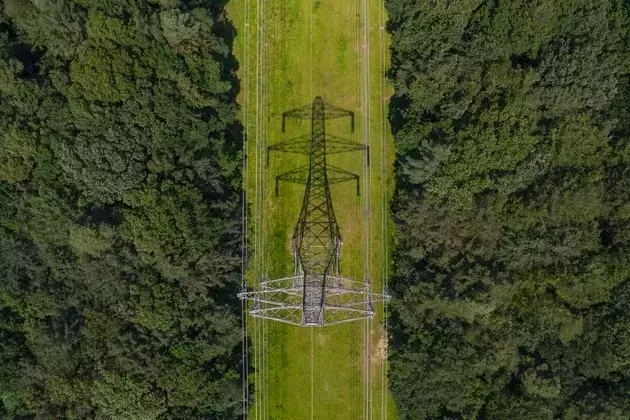
The demand for electricity in the United States is witnessing an unprecedented surge, marking a significant shift after two decades of stable consumption. This revitalization is primarily fueled by the burgeoning requirements of artificial intelligence data centers, the strategic return of manufacturing operations to domestic soil, and the overarching trend towards electrifying various sectors of the economy. These powerful drivers are reshaping the energy landscape, pushing the need for more robust and reliable power solutions.

As power demand accelerates, the conversation is increasingly centering on the critical importance of reliability over mere capacity. Industries with 'always-on' operational needs, such as data centers supporting AI, require a constant and uninterrupted power supply. This imperative brings dispatchable power sources, particularly nuclear energy, back into sharp focus. Nuclear power's ability to provide a consistent, carbon-free baseload makes it an indispensable asset in meeting the stringent demands of modern technological and industrial growth.

The investment opportunities spurred by this electricity renaissance extend far beyond the direct generation of power. The increased demand necessitates substantial upgrades and expansions across the entire energy infrastructure. This includes advanced grid equipment, high-capacity transformers, innovative cooling solutions for data centers, and sophisticated resilience systems designed to withstand disruptions. These areas represent significant growth potential, as they are crucial for ensuring the stability and efficiency of the power supply in an era of heightened energy consumption.

The current transformation in the energy sector underscores a fundamental truth: reliable and abundant electricity is not just a utility, but a foundational strategic asset for national economic strength and technological leadership. Embracing and investing in diverse, dependable power sources, especially those with high capacity and low emissions like nuclear, will be vital. This proactive approach will not only sustain the nation's progress in AI and manufacturing but also secure a resilient and prosperous future for all, fostering innovation and environmental responsibility hand in hand.

More Articles
Finance
The Campbell's Company: Catalysts for Value Unlocking Amidst Market Challenges
The Campbell's Company's stock has hit a two-decade low due to competitive pressures, secular trends, and high debt. This downturn, however, may force the company to divest assets, improving its strategic focus and capital structure. With an earnings yield of approximately 10.5%, the current valuation presents a compelling opportunity for investors. This analysis suggests a 'Buy' rating, anticipating further actions to enhance long-term shareholder value.
By Suze OrmanMay 21, 2026
Finance
Broadcom's Valuation: Overcrowded and Overpriced?
Broadcom, a leading AI semiconductor company, exhibits strong revenue growth driven by AI demand. However, its current valuation, with a forward P/E of around 39x, raises concerns about potential overvaluation. The company faces high customer concentration risk, and the sustainability of its AI-driven growth is uncertain given unproven downstream ROIC and enterprise AI profits. This analysis suggests a 'Hold' rating, projecting a modest negative return due to valuation stretch and potential multiple compression as AI capital expenditure growth normalizes.
By Fareed ZakariaMay 21, 2026
Finance
LKQ Corporation: A Deep Value Stock With A Durable Core Business
LKQ Corporation is currently trading at historically low valuations, suggesting excessive market pessimism despite its robust salvage network and strong free cash flow potential. The company's shares have fallen more than 40% from their peak, now priced below 10 times forward earnings and offering a double-digit free cash flow yield. Additionally, a $1.5 billion buyback authorization represents approximately 23% of its market capitalization. Although operational challenges persist, including margin compression and weak European performance, I maintain a cautious buy rating on LKQ, citing its attractive valuation, resilient business model, and potential for significant shareholder returns.
By Robert KiyosakiMay 21, 2026
Finance
MBRF Global Foods: Navigating Headwinds and Opportunities in the Global Food Market
MBRF Global Foods reported a challenging first quarter with a 10.2% year-over-year decline in net revenue and increased leverage. Despite operational resilience in gross and EBITDA margins, the company faces significant headwinds from the U.S. cattle cycle and a weak dollar. While a modest valuation upside exists, persistent risks warrant a cautious investment approach.
By Robert KiyosakiMay 21, 2026
Finance
Futu Holdings: Strong Buy Potential Despite Market Underperformance
Despite recent underperformance, Futu Holdings (FUTU) is upgraded to 'Strong Buy' due to rapid revenue and user growth, particularly with strong Q4 and FY2025 results. The company's expansion beyond Mainland China and AI-driven product innovation are strengthening its ecosystem, enhancing user engagement, and boosting margins. The current valuation remains attractive, suggesting significant upside potential when compared to global competitors, though regulatory risks should be monitored.
By David RubensteinMay 21, 2026