Revitalizing Live Music: Adapting to Changing Consumer Preferences
Music

Revitalizing Live Music: Adapting to Changing Consumer Preferences

authorBy hmyworldfix
DateMay 08, 2025
Read time3 min
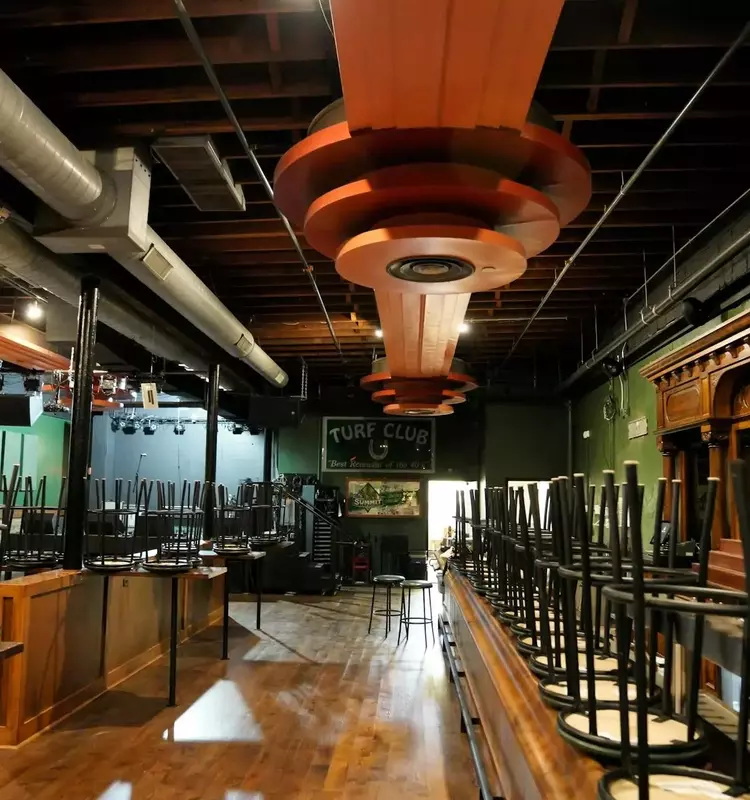
The music industry in Minnesota is navigating a complex landscape as it grapples with shifting consumer habits. While live performances continue to thrive, venues face mounting financial challenges due to declining alcohol sales. Industry leaders are convening to strategize sustainable solutions for the future of Twin Cities' musical culture.

Reinventing Revenue Streams: A Crucial Step for Music Venues

In an era where health-conscious choices dominate lifestyle trends, the traditional reliance on alcohol sales at live music venues faces unprecedented disruption. As Gen-Z embraces sobriety and wellness, establishments once synonymous with vibrant nightlife now struggle to sustain themselves financially. The decline in alcohol consumption has sent ripples through the entertainment sector, particularly affecting nightclubs and rock hubs that traditionally depend on bar revenue to cover operational costs.

This transformation presents both challenges and opportunities for venue operators. Nate Kranz, General Manager of First Avenue, acknowledges the inevitability of this trend but emphasizes the urgency of finding innovative alternatives. "We anticipated this shift," he remarks, "yet identifying effective strategies remains elusive." To address these concerns, stakeholders from across the music ecosystem will gather at Saturday's Minneapolis Music Summit. Hosted in the Green Room, Uptown, the summit aims to dissect issues highlighted by last year’s city-run Minneapolis Music Census, which underscored rising expenses amidst stagnant income growth.

Altered Dynamics in Patron Behavior

Palmer’s Bar, a stalwart in Minneapolis’ live music circuit, exemplifies the evolving dynamics within its clientele. Despite maintaining robust attendance figures, co-owner Pat Dwyer reports a staggering 20% drop in alcohol sales. This phenomenon reflects broader societal changes rather than waning interest in live performances. "Our community continues to passionately support live music," affirms Dwyer, highlighting the resilience of the local scene. Nevertheless, adapting to altered patron preferences becomes imperative for survival.

Understanding the motivations behind reduced alcohol consumption offers insights into crafting tailored offerings. Factors such as increased awareness about personal health, affordability considerations, and evolving social norms all contribute to this behavioral shift. By analyzing these elements, venues can better anticipate and meet the needs of their changing audience demographics.

Exploring Alternative Beverage Options

Many venues have responded proactively by diversifying their beverage menus. Nonalcoholic beers, mocktails, and THC-infused drinks represent attempts to cater to contemporary tastes while preserving profitability. Minnesota breweries have successfully leveraged these options to attract broader customer bases; however, translating this success into concert settings proves more challenging.

Live events present distinct contexts compared to casual pub visits, influencing consumer choices differently. Attendees often prioritize experiences over specific drink selections, making it crucial for venues to integrate appealing nonalcoholic options seamlessly into their overall ambiance. Furthermore, marketing these alternatives effectively requires addressing potential misconceptions regarding taste and satisfaction levels among patrons accustomed to traditional libations.

Potential Pathways Forward

Solutions may lie in reimagining business models beyond conventional means. Expanding merchandise lines, enhancing food services, and leveraging digital platforms offer viable avenues for generating additional revenue streams. Collaborative efforts between artists, promoters, and venue owners could also foster creative financing mechanisms that ensure fair compensation for all parties involved.

Moreover, fostering deeper connections with audiences through engagement initiatives might bolster loyalty and encourage repeat visits. Programs offering exclusive access or personalized experiences could differentiate venues in an increasingly competitive market. Ultimately, embracing flexibility and innovation will determine whether Minnesota's cherished music venues thrive amid transformative times.

More Articles
Peninsula Music Festival: Celebrating 73 Years of Musical Excellence
The Peninsula Music Festival, entering its 73rd season from August 5-23, returns to the Door Community Auditorium under the direction of Maestro Rune Bergmann. This nine-concert series combines classical masterpieces with contemporary works, featuring global guest artists. Highlights include Joyce Yang’s performance in "American Dream," a Scandinavian evening with Grieg and Sibelius, and Brahms and Schumann's dramatic compositions with cellist Luka Coetzee. Other notable events are a night at the movies, a Viennese tribute, Dame Evelyn Glennie's percussion showcase, and Dvořák pieces with cellist Sterling Elliott. The season concludes with Mahler's Symphony No. 2, featuring the Apollo Chorus of Chicago and renowned vocalists. All concerts begin at 7:30 pm. Tickets and details are available at musicfestival.com.
By hmyworldfixMay 08, 2025
Warner Music Group Faces Revenue Challenges Amid Strategic Transition
Warner Music Group faced a challenging quarter ending March 31, with a 1% drop in revenue and a 63% decline in net income compared to the same period last year. CEO Robert Kyncl attributed this to a lighter release schedule, market share losses in China, and tough comparisons to last year's strong performance. Despite these setbacks, Kyncl highlighted chart successes with new artists and anticipated releases from established acts like Ed Sheeran and Bruno Mars. The company is investing more in A&R and technology, such as Pulse, which tracks artist performance and earnings. While acknowledging a transitional phase, Kyncl remains optimistic due to music's resilience, industry alignment on growth strategies, and WMG's strategic focus. Adjusted operating income decreased by 3%, but in constant currency, overall revenue increased by 1%.
By hmyworldfixMay 08, 2025
Warner Music Group Faces Financial Challenges Amidst Strategic Growth
Warner Music Group (WMG) reported a 1% decline in quarterly revenue and a 63% drop in net income, largely due to tough comparisons with the previous year's strong performance. For the fiscal second quarter ending March 31, WMG’s total revenue was $1.48 billion, with recorded music revenue down 1.2%. Net income fell to $36 million from $96 million a year ago, impacted by foreign exchange losses and higher taxes. Despite these challenges, publishing revenue grew by 1.3%. CEO Robert Kyncl highlighted the company's improving market share in new releases, noting that current chart success is partially masked by last year’s high streaming growth. Adjusted OIBDA decreased slightly, reflecting ongoing cost pressures and currency fluctuations.
By hmyworldfixMay 08, 2025
Debut Album 'Tree Lines' Showcases Exceptet's Unique Musical Tapestry
Exceptet's debut album, *Tree Lines*, showcases an eclectic mix of musical styles and instrumentation. Opening with Sarah Goldfeather's prog-rock-inspired "Mouth Full of Ears," the album blends unconventional vocal techniques with an ensemble rooted in Stravinsky's *Histoire du Soldat* instrumentation. Paul Kerekes' quirky "figment" offers staccato bursts and minimalist influences, while Rome Prize winner Katherine Balch's titular piece features 13 short movements, each inspired by ancient tree species. Balch's compositions blend abstract sounds with playful eccentricity, often incorporating Goldfeather's vocals as an instrumental element. Though environmentally evocative, the music remains whimsical and exploratory. At just 30 minutes, *Tree Lines* highlights Exceptet's unique potential. Available via New Focus Recordings.
By hmyworldfixMay 08, 2025
Warner Music Faces Financial Challenges Amid Strategic Optimism
Warner Music reported a net income of $36 million in its fiscal second quarter, marking a 63% decrease from the previous year's $96 million. Revenue stood at $1.48 billion, down 1% year-over-year, with adjusted operating income similarly declining. The drop was attributed to challenging comparisons with last year’s highs, foreign exchange impacts leading to a $34 million loss, and increased income tax expenses. Recorded music revenue fell by 1%, while publishing revenue rose slightly. CEO Robert Kyncl noted strong chart performance driving US market share growth but cited lighter release schedules and China market losses as factors affecting results. Despite anticipated ongoing challenges, Kyncl highlighted upcoming releases and significant A&R investments as drivers for future growth. He also mentioned potential M&A activities and emphasized music's resilience amidst economic uncertainty.
By hmyworldfixMay 08, 2025