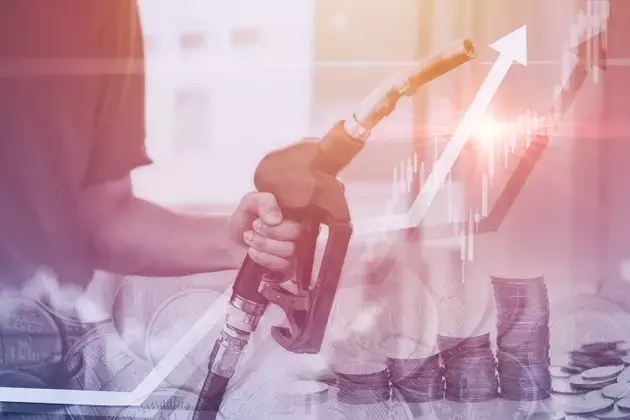
The recent surge in fuel prices is creating a significant divide within the Eurozone, profoundly impacting household budgets and consumption patterns. This economic pressure is not distributed equally; some countries are experiencing a much harsher squeeze than others, potentially leading to a fragmentation of the economic landscape. As families grapple with increased costs at the pump, their ability to maintain other expenditures dwindles, forcing difficult choices and highlighting the varying resilience of national economies to external shocks.
This situation stems from global events, notably the Middle East conflict, which has disrupted oil supplies and driven up prices. The ripple effect across the Eurozone is complex, with varying degrees of vulnerability based on factors such as driving habits, existing economic structures, and governmental fiscal responses. This analysis delves into how these elements contribute to the uneven economic burden and what it means for the future of consumption and economic stability in the region.
Uneven Impact of Soaring Fuel Expenses on Eurozone Households
The escalating cost of fuel is placing an unprecedented strain on household finances throughout the Eurozone, compelling families to divert a larger portion of their income towards essential transportation needs. This reallocation directly curtails their capacity for other purchases, particularly discretionary spending. The annual increase in fuel expenditure is substantial, with petrol users facing an additional €280 and diesel users an extra €430. This financial burden is not uniformly distributed; some nations and demographics are disproportionately affected, amplifying existing economic inequalities. The necessity of covering higher fuel costs inevitably leads to a reduction in funds available for non-essential goods and services, influencing overall consumption trends and the broader economic vitality of the Eurozone.
As the cost of petrol and diesel continues its upward trajectory, the economic ramifications for Eurozone households are becoming increasingly severe and varied. The direct financial impact, notably the hundreds of euros added to annual fuel bills, significantly reduces disposable income. This forces households to make difficult budgetary adjustments, often at the expense of other consumption areas. This economic stress is not evenly felt; countries where car dependency is high, or where public transport alternatives are less developed, bear a heavier load. The resulting shift in spending priorities away from non-essential items not only impacts individual financial well-being but also casts a shadow over the retail and service sectors, contributing to a slowdown in overall economic activity and highlighting the divergent economic resilience among Eurozone members.
Divergent Vulnerabilities and Limited Mitigation Strategies
Within the Eurozone, certain countries exhibit greater vulnerability to the surge in fuel prices due to a combination of high mileage, sharp absolute cost increases, and sometimes less effective fiscal countermeasures. Nations such as the Netherlands, Germany, France, and Austria are at the forefront of this economic challenge, experiencing significant pressure on household budgets. In contrast, countries like Italy and Spain, benefiting from lower average mileage and proactive fiscal interventions, are somewhat shielded from the most severe impacts. This disparity underscores the varied economic structures and consumer behaviors across the union. Furthermore, the capacity for households to offset these rising costs by reducing their driving habits appears limited. Post-pandemic, driving patterns have largely returned to normal, suggesting that further behavioral adjustments are improbable, thereby intensifying the pressure on other consumption categories.
The uneven exposure of Eurozone countries to the escalating fuel prices reveals a critical divergence in economic resilience. The Netherlands, Germany, France, and Austria, characterized by extensive driving distances and pronounced increases in fuel expenses, face considerable economic headwinds. This situation necessitates difficult choices for households, impacting their discretionary spending. Conversely, Italy and Spain demonstrate a comparatively lower susceptibility, attributed to their reduced average vehicular usage and the implementation of governmental fiscal measures designed to alleviate the burden on consumers. The prospect of mitigating these increased costs through reduced driving is increasingly dim. With driving habits having largely stabilized following the pandemic, there is little room for further reductions, implying that the financial strain will continue to be absorbed by cuts in other areas of household expenditure, thereby deepening the economic split within the Eurozone.
