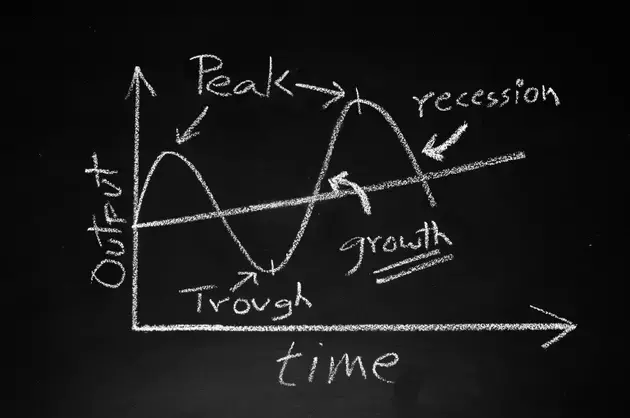
The S&P 500 appears to be charting a course remarkably similar to the dot-com era, signaling a possible short-term market adjustment followed by a significant upward climb. Projections point to an 8-10% market correction around late August, leading to a peak near 7,800 in September, after which a prolonged period of decline could ensue. Concurrently, the artificial intelligence industry, a current market darling, is showing signs of potential vulnerability. Exaggerated capital expenditures by major cloud providers and emerging questions about the return on investment and actual progress in AI technology are raising eyebrows. The release of second-quarter earnings reports from U.S. hyperscale companies, coupled with potential geopolitical instability in the Middle East, might catalyze a brief market retreat before a final, AI-driven rally.
In recent analyses, patterns in the S&P 500 have drawn comparisons to historical market phenomena, particularly the late 1990s dot-com bubble. This echoes previous observations that linked contemporary inflation rates to those of the 1970s and 1980s, and the Semiconductor Index (SOX) to its performance during the internet boom. These parallels suggest a recurring market psychology where speculative fervor can drive valuations beyond sustainable levels. The current focus on AI technology is reminiscent of the internet's early days, where groundbreaking innovation often overshadowed underlying financial realities.
A more detailed look at the forecasted timeline indicates that an initial dip in the S&P 500 could occur by the end of August. This decline, estimated at 8-10%, might serve as a temporary reset before the index embarks on a final upward trajectory, potentially reaching the 7,800 mark in September. However, this projected peak is not seen as a new long-term high but rather a precursor to a gradual, multi-year downturn. This anticipated sequence of events underscores the importance of historical market analysis in understanding current and future trends.
The AI sector, despite its current momentum, is under increasing scrutiny. The substantial capital outlays by hyperscale companies in AI infrastructure are coming under question, with concerns about the efficiency of these investments and the tangible returns they generate. There are also emerging doubts about the pace and depth of technological advancements, suggesting that the initial hype might be outpacing actual progress. These factors could contribute to a market re-evaluation of AI-related stocks, potentially triggering the anticipated short-term correction.
External factors, such as the upcoming second-quarter earnings reports from major U.S. hyperscale companies and the ever-present geopolitical risks, particularly in the Middle East, are also poised to influence market dynamics. Disappointing earnings or an escalation of international tensions could easily act as catalysts for the predicted market correction. This period of volatility, while potentially unsettling for investors, is viewed by some analysts as a necessary prelude to the market's final AI-driven ascent before a more significant, prolonged adjustment begins.
Analyzing the current market climate through the lens of historical precedents, particularly the dot-com bubble, reveals striking similarities. The S&P 500's trajectory suggests a cyclical pattern of boom and bust, where periods of irrational exuberance are inevitably followed by corrections. The enthusiasm surrounding artificial intelligence, while understandable given its transformative potential, is displaying characteristics akin to past speculative bubbles. Investors would do well to consider these historical echoes when making decisions, preparing for both the potential short-term gains and the subsequent, more substantial market recalibration.
