Samsung, a dominant force in the global memory market, recently reported an extraordinary 19-fold increase in its second-quarter operating profit. However, this impressive financial achievement was met with an unexpected 20% drop in its stock value. This market reaction has ignited discussions and concerns among investors, particularly those holding shares in other prominent memory chip manufacturers like Micron Technology. The situation highlights a complex dynamic where exceptional corporate performance doesn't always translate directly into stock appreciation, especially when investor expectations for the sector are exceptionally high.
Understanding the Market's Reaction to Samsung's Performance and Its Implications for Micron
In mid-July 2026, Samsung, a leading memory chip producer, unveiled its preliminary second-quarter results, showcasing an astonishing 19x year-over-year jump in operating profit. This remarkable growth was fueled by Samsung's commanding position in the dynamic random-access memory (DRAM) and NAND flash storage markets, where it holds 38% and 29% market shares, respectively. Despite exceeding analysts' profit forecasts and demonstrating robust sales growth, the market's response was counterintuitive: Samsung's stock price declined by 20% following the announcement. Industry analysts, including those from Citi Research, observed a moderation in memory price increases during Q2, with DRAM and NAND flash prices rising by 44% and 53% sequentially, a slower pace compared to Q1's mid-60% and mid-70% surges. This deceleration in price growth, despite the overall strong market conditions, appears to have tempered investor enthusiasm, leading them to anticipate even more substantial gains from memory manufacturers.
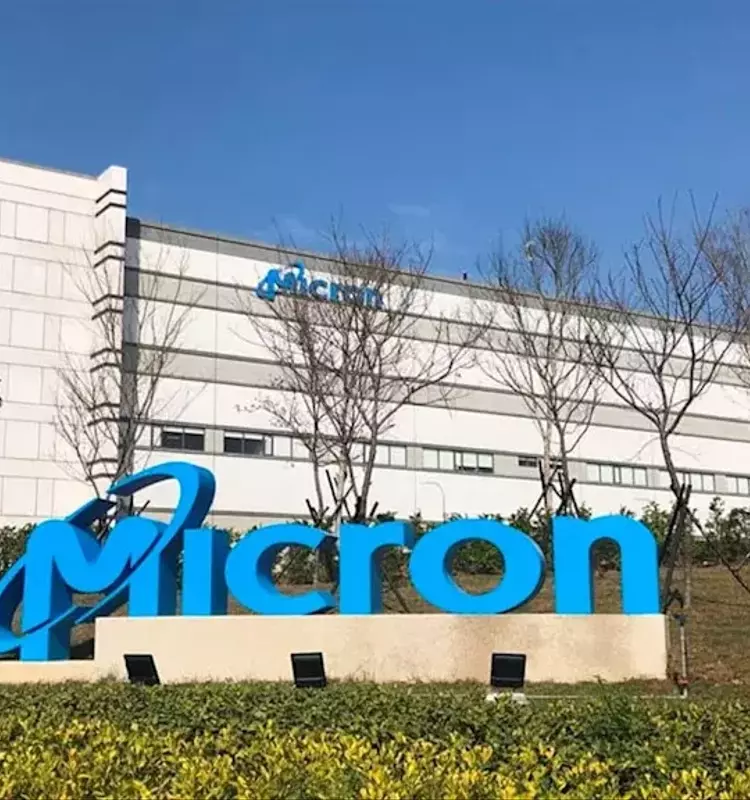
This market sentiment has directly impacted Micron Technology. Even after reporting record third-quarter fiscal 2026 results on June 24, which included a 13x year-over-year earnings per share increase to $25.11, Micron's stock has retreated by 19% from its recent 52-week peak. The company's future guidance also projects over a 10x earnings increase for the current quarter, a figure that, while still phenomenal, is slightly less than the previous quarter's growth. Investors are grappling with why Micron's stock isn't reflecting its extraordinary earnings trajectory and critical role in the booming AI infrastructure, where memory supply is a key bottleneck. The stock's current valuation of 22 times earnings, lower than the S&P 500's average of 25.4, suggests a potential undervaluation given Micron's significantly faster projected earnings growth. This scenario prompts a reevaluation of investment strategies, with some experts advocating for holding or even increasing positions in Micron, viewing the recent dip as an attractive entry point into a company with strong fundamentals and substantial long-term growth prospects in the AI-driven memory demand.
The recent market behavior surrounding Samsung and Micron Technology presents a compelling case study in investor expectations versus reported performance. It underscores the nuanced nature of stock valuation, where even stellar earnings growth might be overlooked if it doesn't surpass an already elevated bar set by analysts and market sentiment. For those tracking the semiconductor industry, this situation serves as a powerful reminder that the memory sector, while critical for technological advancement, remains subject to sharp fluctuations driven by supply-demand dynamics and investor psychology. It encourages a deeper dive beyond headline numbers, prompting consideration of long-term trends, technological importance, and relative valuations in assessing investment opportunities.
