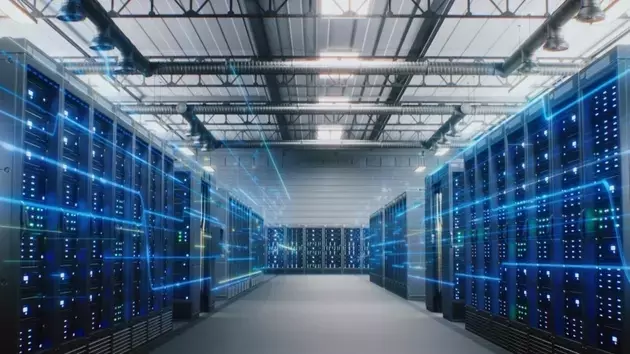
Sensata Technologies (ST) has experienced a significant stock surge this year, an unexpected development given its primary exposure to the automotive sector. This surge is largely attributed to the growing excitement surrounding artificial intelligence and data center advancements. The company is actively repositioning itself, divesting from less profitable ventures and emphasizing sustainable growth and improved profit margins across all business units. Despite the promising landscape of AI-powered liquid cooling and advanced data center infrastructure, ST faces challenges from market competition and the inherently slow pace of technological adoption in these nascent fields. Consequently, the company maintains a 'hold' rating, pending more definitive indications of its impact within the AI and data center markets.
Sensata Technologies' Strategic Pivot Towards Emerging Technologies
In a notable market development, Sensata Technologies (ST), a key player primarily known for its extensive presence in the automotive sensor market, has recently witnessed its stock climb by an impressive 90% year-to-date. This considerable ascent is predominantly driven by increasing investor confidence in the company's potential within the burgeoning artificial intelligence (AI) and data center sectors. This performance is particularly striking, considering that over half of Sensata's revenue, specifically 56%, still originates from the automotive industry—a segment characterized by its cyclical nature, constrained growth, and intense price competition.
Sensata's strategic overhaul includes the divestment of approximately $200 million in underperforming revenue streams, a move designed to enhance operational efficiency and profitability. This restructuring is complemented by a concerted effort to foster organic growth and achieve margin expansion across all its operational segments. The company is actively exploring new avenues, particularly in AI-driven liquid cooling solutions and 800VDC data center infrastructure. These initiatives are poised to leverage Sensata’s existing expertise in electric vehicle (EV) sensor technology, offering a strategic pathway to diversify its business portfolio and capitalize on high-growth areas.
However, this transition is not without its challenges. Sensata navigates a complex competitive landscape within the AI and data center markets, where rapid technological advancements and the risk of commoditization could impact future growth. The company’s ability to convert its sensor technology prowess into a significant competitive advantage in these new domains remains a critical factor for its long-term success. The current market outlook suggests a cautious approach, as the full extent of Sensata's penetration and impact in the AI and data center segments is yet to be clearly demonstrated.
Reflecting on Sensata's Strategic Journey
Sensata Technologies' recent stock performance and strategic shift offer a compelling narrative about how traditional industrial companies are adapting to the digital age. The company's proactive moves to shed legacy burdens and embrace technological frontiers like AI and high-voltage data centers highlight a forward-thinking leadership. It's inspiring to see a firm with deep roots in a mature market pivot towards innovation. This journey underscores the critical importance of agility and foresight in today's rapidly evolving technological landscape. However, the path to fully integrate new technologies and secure a dominant position in fiercely competitive markets is long and arduous. For investors, this creates a fascinating case study: a company with solid fundamentals in one area, making bold bets on another. The coming years will undoubtedly reveal whether Sensata's strategic recalibration truly pays off, transforming it from an automotive stalwart into a diversified tech-industrial leader.
