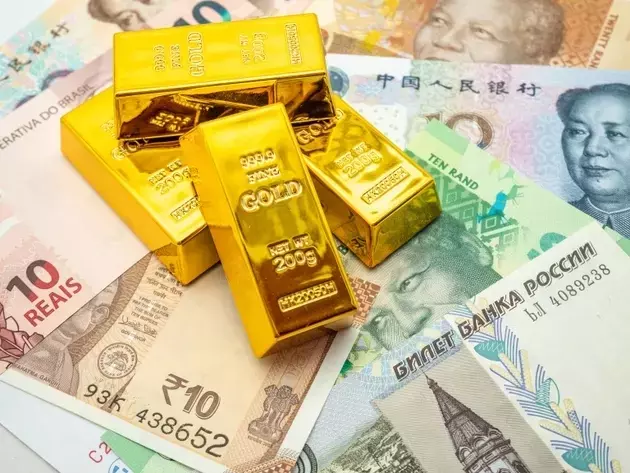
The global silver market is currently experiencing a notable divergence in pricing, with Shanghai silver commanding a substantial 11.6% premium over COMEX. This significant price difference highlights strong demand within China and suggests underlying tightness in global supply. This elevated premium, surpassing its 52-week average, is further influenced by China's strategic move to restrict refined silver exports starting in January 2026, alongside robust domestic industrial consumption. Concurrently, a marked decrease in COMEX inventories for both silver and gold signals a potential for price adjustments in Western markets, driven by these evolving supply and demand dynamics.
These developments underscore a critical shift in the global precious metals landscape, where regional supply-demand imbalances and policy changes play an increasingly vital role in price formation. Investors and market participants are keenly observing these trends, recognizing their implications for future silver valuations and the broader precious metals sector. The interplay of Chinese policy, industrial demand, and Western inventory levels paints a complex but compelling picture for the future trajectory of silver prices.
The Growing Disparity: Shanghai Silver's Premium Over COMEX
The Shanghai silver market is currently exhibiting a substantial premium, trading at an impressive 11.6% higher than COMEX prices. This significant disparity is not merely a transient fluctuation but reflects fundamental shifts in global silver dynamics, pointing towards a robust demand environment within China and potential constraints in global supply. This premium is notably above its 52-week average, underscoring a strengthening trend rather than an isolated event. Such an elevated premium serves as a clear indicator of tightening supply conditions globally and particularly strong industrial and investment demand from China, signaling a potential repricing of silver in international markets.
Several factors contribute to this pronounced premium. Firstly, China's upcoming export restrictions on refined silver, set to take effect in January 2026, are already influencing market sentiment. This policy change is anticipated to further limit the availability of silver in the global market, thereby exacerbating supply concerns and solidifying Shanghai's premium. Secondly, China's burgeoning industrial sector, particularly in electronics and renewable energy, is a major consumer of silver, driving consistent and strong domestic demand. This sustained demand, coupled with strategic export controls, creates an environment where silver commands a higher price within the Chinese market compared to Western exchanges. The widening gap between Shanghai and COMEX silver prices, therefore, represents a critical indicator of the evolving balance of power and demand centers in the global silver market.
Global Supply Tightness and Western Market Repricing Potential
Beyond China's internal market dynamics, the global silver and gold markets are also experiencing significant inventory shifts, particularly within COMEX. Inventories for both precious metals have shown a sharp decline, reinforcing the argument for broader supply tightness that could lead to an upward repricing in Western markets. This reduction in available metal in major Western vaults suggests that the physical supply-demand balance is under increasing pressure, a situation that is further complicated by the strong demand observed in Eastern markets like Shanghai. The interplay between these regional dynamics creates a compelling case for potential price increases as global supply struggles to meet burgeoning demand from diverse sectors.
The implications of declining COMEX inventories extend beyond immediate price effects. They suggest a structural undersupply that, when combined with China's protective measures and robust internal demand, could lead to a significant reassessment of silver's value. Investors and analysts are closely monitoring these inventory levels as a key gauge of market health and future price direction. Should these trends persist, the pressure on Western markets to reflect the true global demand and supply conditions will intensify, potentially triggering substantial price movements. This scenario highlights the interconnectedness of global precious metals markets, where regional policies and inventory fluctuations collectively shape worldwide pricing and investment opportunities.
