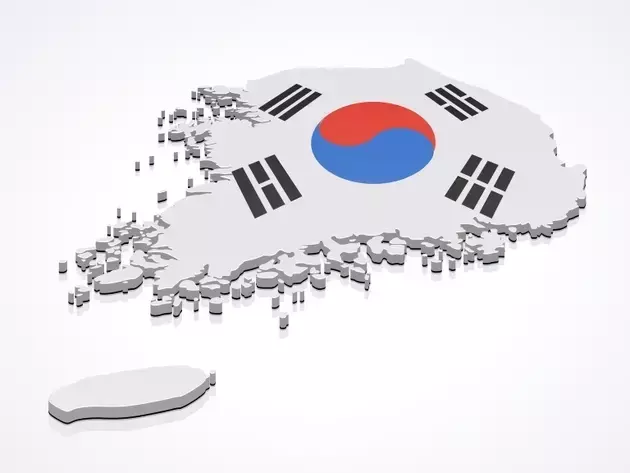
Navigating Economic Headwinds: South Korea's Proactive Stance Against Rising Prices
Understanding South Korea's Current Inflationary Landscape
South Korea experienced a rise in its consumer price index, reaching 2.6% year-on-year in April. This acceleration was primarily fueled by escalating energy costs, aligning with market expectations. However, this figure remained slightly below initial projections, indicating that government measures had some restraining effect on the overall inflation rate.
Government Initiatives to Curb Price Hikes
In response to growing price pressures, the South Korean government implemented several key policies. These included the introduction of food vouchers, the establishment of price caps on gasoline, and a freeze on utility rates. These interventions aimed to absorb a portion of the external energy shock and stabilize household expenses, thereby easing the burden on consumers.
Future Inflation Outlook and Contributing Factors
Despite current governmental efforts, analysts anticipate that inflationary pressures will persist and intensify in the coming months. Projections suggest that the inflation rate could climb further, potentially reaching approximately 3% as early as June. This expected increase is largely attributed to continued high energy prices, an upward trend in rental costs, and a phenomenon dubbed 'chipflation,' reflecting rising prices in the technology sector.
The Role of Rental Costs in Driving Inflation
A significant component of the forecasted inflation surge is the expected acceleration in rental price hikes. As housing costs continue their ascent, they exert substantial upward pressure on the overall consumer price index, influencing a broad spectrum of goods and services through increased operational costs for businesses and higher living expenses for individuals.
Bank of Korea's Monetary Policy Response
Considering the prevailing economic conditions, the Bank of Korea is projected to maintain its current interest rates during its May meeting. However, if inflation continues its upward trajectory as anticipated, the central bank may be compelled to adjust its monetary policy. There is a growing likelihood of interest rate hikes commencing as early as July, as a preemptive measure to temper inflationary forces and ensure economic stability.
