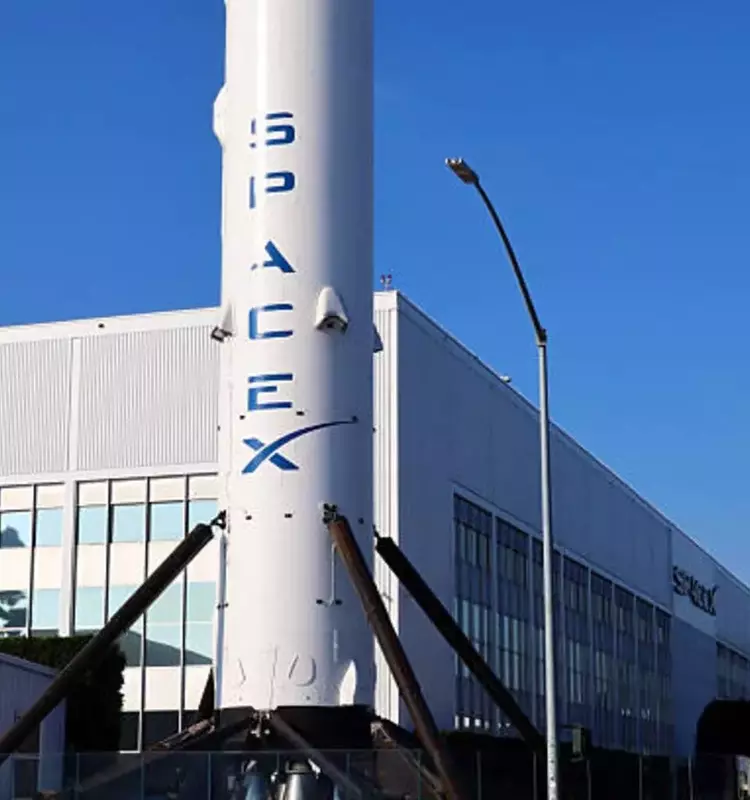
SpaceX, the innovative space exploration firm, has experienced a challenging trajectory in the stock market since its initial public offering. Contrary to initial hopes for a meteoric rise, the company's shares have faced significant headwinds, leading to a notable decline in its market capitalization. This downturn has prompted considerable discussion among financial analysts and investors regarding the underlying reasons for this performance and what the future may hold for the company's stock.
The post-IPO period has seen SpaceX's valuation undergo a substantial adjustment, with its market cap shrinking considerably from its highest point. This erosion of value has fueled speculation and scrutiny, as stakeholders attempt to understand whether this represents a temporary setback or a more enduring shift in market sentiment. Experts are now keenly evaluating the company's fundamentals and market dynamics to forecast its potential direction in the coming months.
SpaceX's Post-IPO Valuation Turbulence
SpaceX's journey on the stock market following its initial public offering has been anything but smooth, starkly contrasting the 'rocket ride' many shareholders might have envisioned. After its debut, the company's valuation soared to an impressive peak of approximately $2.64 trillion, showcasing immense investor enthusiasm and confidence in its future prospects. However, this bullish sentiment proved to be fleeting, as the market capitalization has since contracted significantly, settling around $1.48 trillion. This reduction translates to over a trillion dollars in lost value, a substantial sum that has undeniably impacted investor portfolios and raised questions about the company's long-term financial stability and growth potential.
This considerable downturn from its zenith has captured the attention of financial observers, including prominent entities like Bloomberg, which has meticulously tracked SpaceX's stock performance. Their analyses highlight the critical junctures of its IPO pricing, the initial surge, and the subsequent decline. Such comprehensive charting is vital for understanding the volatility and the factors influencing investor perceptions. The divergence between initial optimism and current market realities underscores the complexities of valuing a company operating in a highly innovative, yet capital-intensive and speculative, sector. Moreover, the reevaluation of SpaceX's market worth by various analysts post-slide suggests a recalibration of expectations, as they attempt to pinpoint a more realistic and sustainable valuation for the pioneering space technology firm.
Analyst Perspectives and Future Outlook
In the wake of SpaceX's significant market correction, financial analysts have been actively engaging in a re-evaluation of the company's stock, offering varied perspectives on its future. Despite the bearish sentiment that has taken hold in the market, some analysts, such as those at Morgan Stanley, maintain a more optimistic stance. They suggest that the fundamental underpinnings of SpaceX remain largely intact, arguing that the recent decline in stock price does not necessarily reflect a deterioration in the company's core business value. This viewpoint is often supported by the argument that the market may be unfairly undervaluing certain aspects of SpaceX's operations, particularly its burgeoning artificial intelligence initiatives, which they believe hold substantial, untapped potential for future growth and profitability.
The debate surrounding SpaceX's AI businesses forms a crucial part of the current analytical discourse. While investors appear to be largely overlooking or discounting these segments, some experts contend that this constitutes an unwarranted undervaluation. They argue that these AI-driven ventures could be significant growth drivers, capable of boosting the company's revenue streams and market position in the long run. Consequently, these analysts project that a market correction to properly recognize these values could lead to considerable upside potential for SpaceX's stock. Their insights emphasize the importance of looking beyond short-term market fluctuations and focusing on the strategic assets and innovative capabilities that could define SpaceX's trajectory in the years to come, offering a beacon of hope for shareholders amid the current market uncertainty.
