This detailed report illuminates the recent controversy surrounding a prominent political figure's property transactions, which has ignited discussions about stamp duty and the definition of a primary residence. It explores the intricate rules governing property taxation in England and Northern Ireland, particularly focusing on the increased levies for additional properties. The article also examines the ethical dimensions of legal tax planning, especially when juxtaposed with potential government policy shifts on property wealth, prompting a deeper public conversation on fairness and accountability in taxation.
High-Profile Property Deal Sparks Tax Debate in the UK
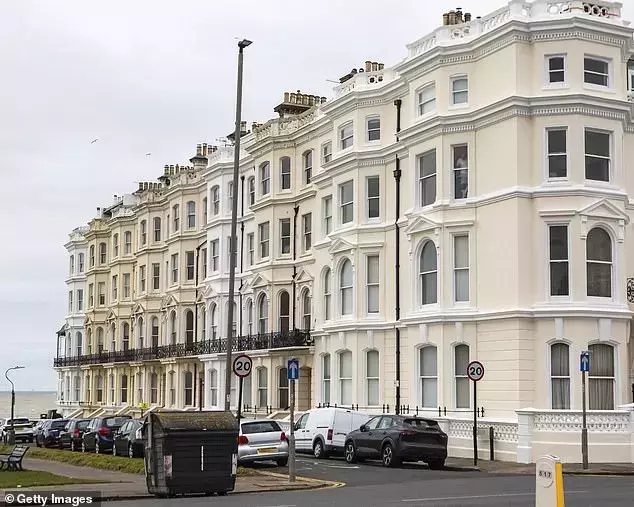
On a recent Friday, August 29th, 2025, a significant political debate erupted in the United Kingdom following revelations concerning the Deputy Prime Minister's property acquisitions. Reports indicate that the political leader acquired a luxurious £800,000 apartment in the picturesque coastal town of Hove, East Sussex, mere weeks after allegedly removing her name from the deeds of her primary residence in Greater Manchester, valued at £650,000. This action has raised questions regarding the payable stamp duty, with estimates suggesting a potential saving of £40,000 if the Hove property was declared her main residence instead of a second home.
The intricacies of stamp duty rules are at the heart of this controversy. Under current regulations, properties purchased for personal use incur a specific rate, while second homes are subject to an additional 5% surcharge, a significant increase from the previous 3% surcharge implemented since October of the previous year. For an £800,000 property, this surcharge would escalate the stamp duty from £30,000 to £70,000. While the politician reportedly informed Tameside Council that her Greater Manchester home remains her main residence for council tax purposes, she seemingly advised Brighton and Hove Council that her new apartment functions as a secondary dwelling.
Legal and tax experts, including Karen Noye from Quilter and Phil Blackburn from Lubbock Fine, have provided commentary on the matter. They emphasize that while changing property deeds might be legal, the spirit of the law and the public's perception of tax avoidance are crucial considerations. The determination of a 'main residence' by HMRC hinges on various factors, such as the amount of time spent at a property, voter registration, and GP registration. The situation is further complicated by the fact that property transfers between spouses or civil partners, particularly during divorce proceedings, can be exempt from stamp duty under specific conditions, although the precise circumstances of the Manchester property's deed change remain undisclosed. This unfolding narrative underscores the delicate balance between legal tax planning and public expectation of transparency from political figures, especially amidst discussions of new property tax proposals.
This incident offers a potent reminder of the public's heightened sensitivity to matters of personal finance, particularly when they involve those in positions of power. It prompts us to reflect on the often-complex interplay between legal frameworks and public perception. While individuals are within their rights to navigate tax laws to their advantage, there's an inherent expectation for public figures to uphold the spirit of these laws and demonstrate a commitment to fairness. This situation challenges us to consider whether existing regulations are sufficiently robust to prevent perceived ethical ambiguities, especially as new tax policies are considered. Ultimately, it encourages a deeper conversation about the societal contract: what do we expect from our leaders in terms of financial conduct, and how can tax systems be designed to ensure both compliance and perceived equity?