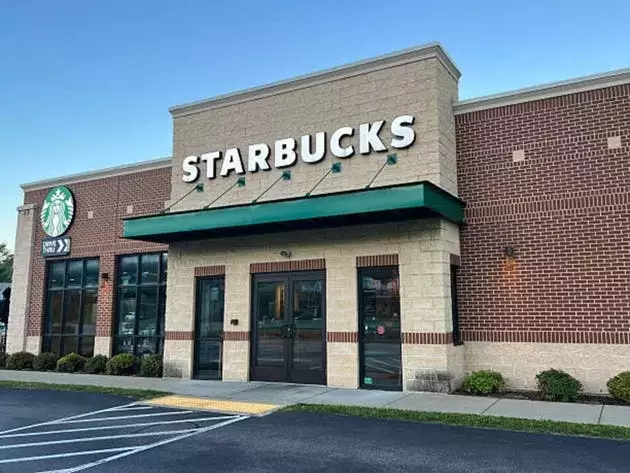
Starbucks is undergoing a significant strategic transformation in its China market operations, marking a pivotal shift in its financial reporting and business model. This restructuring, driven by a recent transaction with Boyu Capital, will see the company’s China retail segment transition from a consolidated entity to a licensed one, impacting its revenue and margin forecasts. Despite the immediate changes in financial presentation, Starbucks remains committed to aggressive expansion in the Chinese market, demonstrating a long-term vision for growth in the region.
The deconsolidation of the China retail business is expected to streamline operations and enhance profitability, even as it reduces reported international company-operated sales. This move allows Starbucks to leverage a licensed model, optimizing capital allocation and focusing on higher-margin activities. The company's continued investment in expanding its physical footprint across a broader range of Chinese cities underscores its confidence in the market's untapped potential and its strategic adaptation to local economic dynamics.
Starbucks China Business Model Transformation
Starbucks is set to realign its operational and financial reporting framework for its ventures in China, a strategic move following the completion of its deal with Boyu Capital. This significant restructuring, expected to finalize shortly after the second quarter of 2026, will see the direct retail segment of Starbucks' China operations transition into a licensed arrangement. Consequently, this shift will result in the deconsolidation of the China retail business from the company's primary financial statements, integrating it instead into the broader licensed segment. This change reflects a strategic pivot towards a less capital-intensive model in the region, aiming to optimize profitability and operational efficiency.
The immediate financial implications of this transformation are evident in the projections for the third quarter, where international company-operated sales are anticipated to experience a substantial year-on-year decline of 55%, reaching approximately $692 million. However, this reduction in top-line revenue is accompanied by an expected increase in profitability. Non-GAAP operating income for the third quarter is forecasted to grow by 15% year-on-year, indicating that the new licensed model is designed to be margin-accretive. This re-segmentation allows Starbucks to maintain its brand presence and market share in China while shifting the operational and capital expenditure burden to its licensing partners, thereby enhancing overall financial health.
Strategic Expansion and Market Outlook in China
Despite the financial restructuring, Starbucks unequivocally reaffirms China as a critical market for its long-term growth strategy. The company is embarking on an ambitious expansion plan, aiming to significantly broaden its geographical reach within the country. Over the next three years, Starbucks intends to increase its presence from its current base of over 1,000 cities to more than 1,500 county-level cities across China. This aggressive expansion signals Starbucks' confidence in the enduring demand for its products and brand in diverse Chinese communities, moving beyond established urban centers to capture new consumer segments.
This strategic move underscores Starbucks' commitment to deepening its roots in the Chinese market, adapting its business model to foster sustainable growth while maximizing profitability. The transition to a licensed model for its retail operations in China is a calculated step to balance growth aspirations with financial prudence, allowing for rapid expansion without disproportionately increasing capital outlay. By partnering with local entities through licensing agreements, Starbucks can navigate the complexities of market entry and operational management more effectively, ensuring a robust and scalable presence. The forecasted rise in non-GAAP operating income, even with reduced international company-operated sales, highlights the financial advantages of this revised approach, positioning Starbucks for continued success and market leadership in one of its most important global markets.
