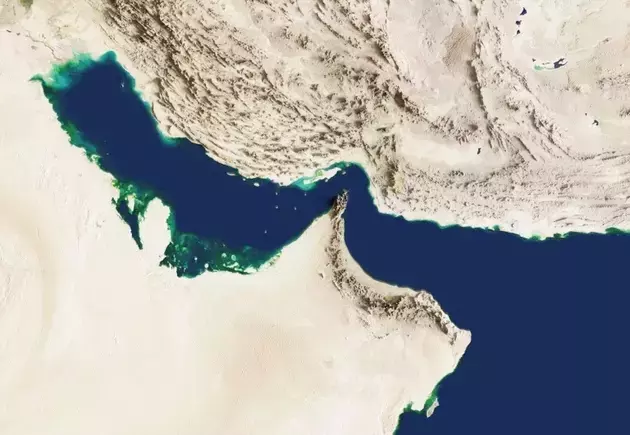
A recently extended ceasefire between the United States and Iran, coupled with the reopening of the Strait of Hormuz, is prompting cautious optimism that the protracted conflict between the two nations may be nearing its conclusion. This significant development is anticipated to provide a favorable impetus to financial markets in the immediate future, contingent upon the enduring stability of the agreement announced by both countries. As global stakeholders observe these events, attention is now acutely focused on the impending G7 summit in France, where President Trump's pronouncements and subsequent international reactions are poised to significantly shape the ongoing narrative and market trajectories.
Geopolitical Breakthrough: Hopes for Lasting Peace in the Middle East
The recent extension of the U.S.-Iran ceasefire and the subsequent reopening of the strategically vital Strait of Hormuz have ignited a guarded sense of hope among international observers and market participants. This pivotal development signals a potential de-escalation in the long-standing tensions between the two powers, fostering an environment where a definitive resolution to the conflict might finally emerge. The agreement, announced over the weekend, represents a critical juncture, offering a pathway away from confrontation and towards a more stable regional dynamic. Financial markets, ever sensitive to geopolitical shifts, are expected to react positively, with initial boosts in investor confidence and trading activity.
This fragile peace hinges on the continued adherence to the ceasefire terms and the broader diplomatic efforts underway. The international community is closely monitoring the situation, recognizing that any sustained period of stability could unlock significant economic and political benefits. The reopening of the Strait of Hormuz, a crucial choke point for global oil shipments, immediately alleviates concerns about supply disruptions and could contribute to more stable energy prices. However, the path forward remains intricate, necessitating careful navigation and a commitment from all parties to uphold the spirit of cooperation. The coming days and weeks will be crucial in determining whether this breakthrough marks a genuine turning point or merely a temporary reprieve.
Economic Implications: Market Boost and the G7 Summit's Influence
The news of the extended ceasefire and the operational resumption of the Strait of Hormuz is poised to inject a much-needed wave of optimism into global financial markets. Traders and investors, who have long grappled with the uncertainties stemming from Middle Eastern instability, are likely to respond with a positive sentiment, reflecting an expectation of reduced geopolitical risk premiums. This newfound stability is anticipated to encourage increased investment and trade, potentially leading to an uplift in various asset classes. The immediate boost, however, is fundamentally predicated on the durability and faithful implementation of the agreement brokered between the United States and Iran, underscoring the fragility of this nascent peace.
All eyes are now turning towards the G7 summit, commencing in France, where President Trump's commentary and the ensuing international responses will be instrumental in shaping the market's sustained reaction. Any signals of unwavering commitment to de-escalation from global leaders could reinforce the current optimistic outlook, solidifying market gains. Conversely, any indications of renewed friction, skepticism regarding the ceasefire's longevity, or hawkish rhetoric could quickly erode confidence and trigger market corrections. Therefore, the summit will serve as a critical barometer, offering insights into the broader geopolitical landscape and guiding investor strategies in the short to medium term as stakeholders evaluate whether this period of calm will translate into a lasting era of regional stability and economic growth.
