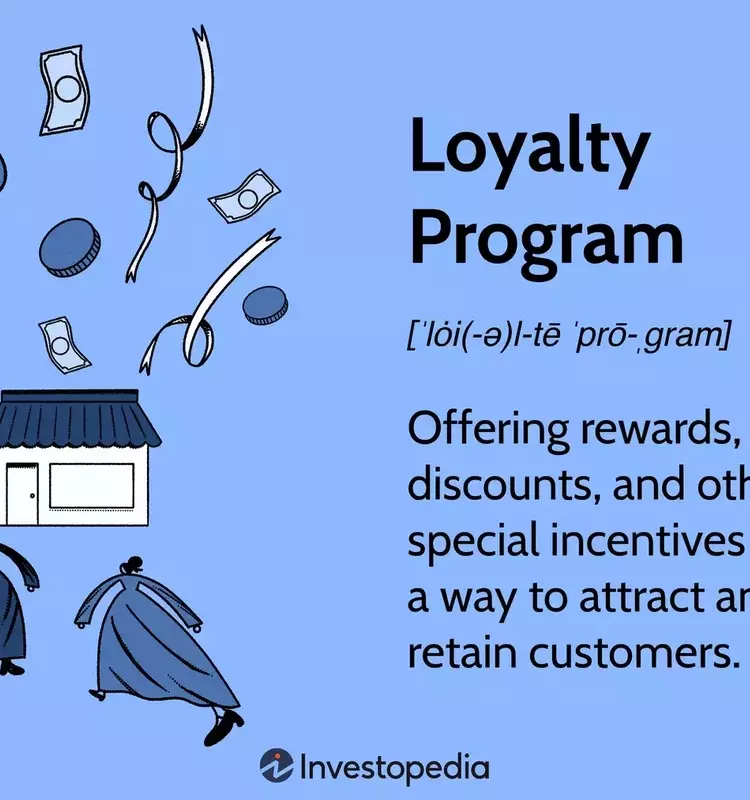
In the fiercely competitive landscape of modern commerce, loyalty programs stand as a cornerstone for businesses aiming to forge lasting relationships with their clientele. These strategic initiatives are not merely about offering discounts; they represent a multifaceted approach to cultivating repeat business and gathering invaluable consumer intelligence. By incentivizing continued engagement, businesses can transform fleeting transactions into enduring brand devotion, ultimately driving sustained growth and market prominence.
The Dynamics of Customer Loyalty Schemes
Loyalty programs, a pivotal component of a robust marketing framework, are meticulously crafted by retailers and various enterprises to magnetize and sustain customer engagement. These schemes extend a range of alluring incentives, from exclusive discounts and special rewards to early access to novel products or sales events, and even enhanced services like expedited shipping. The core philosophy underpinning these programs is to commend patrons for their consistent support, thus solidifying their allegiance to a particular store or brand.
The operational mechanics of these programs typically involve customers enrolling their personal details with the sponsoring entity, subsequently receiving a unique identifier such as a membership card or digital ID. This identifier is then utilized during each transaction, meticulously tracking purchasing patterns and preferences. The benefits accrue progressively; the more frequently a customer engages with the merchant and the higher their expenditure, the more substantial their rewards become. This synergistic relationship not only fosters a loyal customer base but also equips businesses with a rich repository of data. This data offers critical insights into product synergies, the efficacy of diverse incentives, and overall consumer behavior, thereby enabling more targeted and effective marketing endeavors.
The historical trajectory of retail loyalty schemes dates back to the stamp and boxtop redemption programs of the late 19th century. However, the contemporary model found its genesis in the aviation sector, with American Airlines' AAdvantage program, launched in 1981, pioneering the concept, swiftly followed by United Airlines' Mileage Plus. In the digital age, these programs have evolved dramatically. Starbucks (SBUX), for instance, exemplifies a successful modern loyalty program through its rewards app. Beyond earning 'stars' for coffee purchases, the app seamlessly integrates advanced ordering, in-store payment functionalities, and exclusive content such as curated music playlists. This innovative fusion transforms the loyalty program into an indispensable part of the daily routine for many coffee enthusiasts, solidifying Starbucks' position as a staple. The allure of earning 'stars twice as fast' by funding a digital rewards card further embeds the program into customer habits.
While loyalty programs are a popular avenue, some industry giants opt for alternative models. Costco (COST) and Amazon (AMZN) have masterfully cultivated exceptional customer loyalty through membership-based programs. Costco mandates membership for in-store purchases, while Amazon Prime, though optional for shopping, offers a suite of benefits including rapid, complimentary shipping. Despite requiring an upfront annual fee, these memberships are enthusiastically embraced by consumers, who perceive the value in exclusive access and enhanced services. These models underscore that customer allegiance can be nurtured through diverse strategies, all predicated on delivering tangible and perceived value.
Ultimately, a CRM loyalty program, akin to its counterparts, aims to augment customer lifetime value by dispensing rewards for recurring business. These rewards, encompassing points, discounts, complimentary items, and coupons, are disbursed in response to purchases, feedback, referrals, and other positive engagements. This holistic approach ensures that every interaction contributes to strengthening the customer-brand bond.
The evolution of loyalty programs, from rudimentary stamp collections to sophisticated digital applications, highlights their enduring significance in the business world. They represent a dynamic interplay between consumer desire for value and corporate ambition for sustained engagement. As businesses continue to navigate an ever-changing market, the strategic deployment of well-conceived loyalty programs will remain a critical differentiator, fostering not just transactions, but genuine connections.
