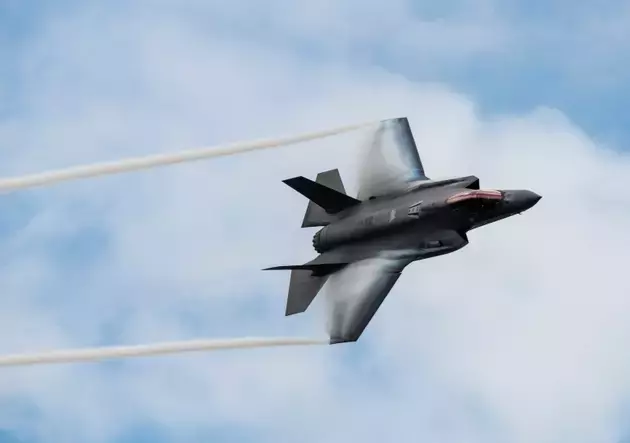
China's commanding position in the rare earth processing sector, accounting for 91% of global supply, casts a long shadow over the strategic capabilities of the F-35 fighter jet. The approximately 400 kilograms of critical minerals embedded within each F-35 aircraft represent a significant point of vulnerability. As Beijing increasingly tightens its control over exports of vital materials like gallium, antimony, and rare earths, the United States and its allies are compelled to accelerate investments in domestic mining and processing. This dynamic is poised to redefine the landscape of strategic metals over the coming decade, creating a structural investment opportunity driven by escalating demand from military systems, electric vehicles, and artificial intelligence, all set against a backdrop of protracted permitting timelines and constrained global supply.
The Critical Nexus of F-35s and Rare Earth Supply Chains
A modern F-35 fighter jet, a symbol of advanced aerospace engineering, inadvertently embodies a complex mineral supply chain challenge. These sophisticated military aircraft are heavily reliant on an array of obscure elements, most of which funnel through China's dominant processing facilities. This dependence creates a precarious situation for national defense, as any disruption in China's supply could severely impact the production and maintenance of these critical assets. The current geopolitical climate underscores the urgency of diversifying these supply chains. Governments in the U.S. and allied nations are actively pursuing initiatives to bolster domestic capabilities in rare earth extraction and processing. These efforts, though vital, face considerable hurdles, primarily the lengthy regulatory processes and environmental assessments that can delay new mineral production for decades. The expected timeline for new U.S. mineral production to reach commercial output is approximately 29 years from discovery, pushing significant new supply into the early 2030s at the earliest. This protracted timeline highlights the strategic foresight required to address such deep-seated vulnerabilities. The scarcity of these defense minerals is not merely a transient issue but a fundamental structural theme for investors, as demand from a burgeoning array of sectors—including military applications, the rapidly expanding electric vehicle market, and advanced artificial intelligence technologies—continues to surge. This confluence of high demand and restricted supply, exacerbated by the slow pace of new production, solidifies the investment case for entities focused on strategic metals and rare earths.
This situation serves as a stark reminder of the interconnectedness of global supply chains and national security. The reliance on a single nation for critical resources can transform advanced technological marvels into strategic liabilities. It compels a re-evaluation of industrial policies, emphasizing the importance of resilient, diversified, and localized supply chains for essential materials. For investors, this scenario highlights the enduring value of companies positioned to benefit from the long-term trend towards resource independence and the development of alternative rare earth processing capabilities. It's a call to action for innovation and strategic investment in an often-overlooked yet profoundly critical sector.
