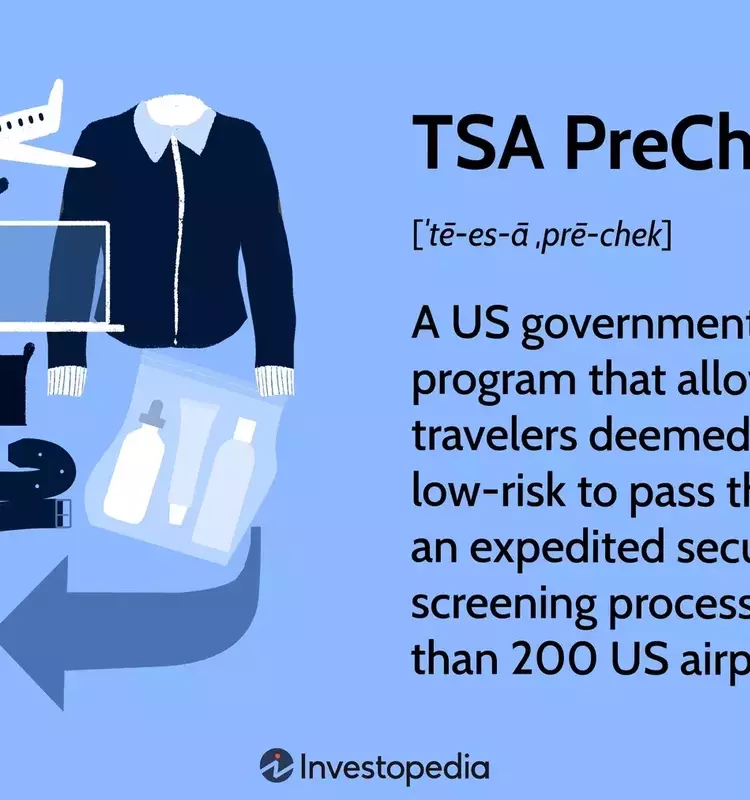
TSA PreCheck is a U.S. government program designed to enhance the efficiency and speed of airport security screenings for eligible travelers. By identifying low-risk individuals, the program permits a more streamlined passage through checkpoints, often allowing passengers to keep their shoes on, leave liquids and laptops in their bags, and utilize dedicated security lanes. This initiative significantly reduces the time spent in security queues, enhancing the overall travel experience for its members. The application process, involving both online submission and a brief in-person appointment, underscores a commitment to both security and traveler convenience, making it a valuable option for frequent flyers seeking a less cumbersome airport experience. Additionally, various credit card benefits and other trusted traveler programs can complement or even cover the cost of TSA PreCheck, further integrating it into a comprehensive travel strategy.
The Operational Framework of TSA PreCheck
TSA PreCheck operates as an expedited security screening program at over 200 U.S. airports, specifically tailored for travelers identified as low-risk. This service allows eligible passengers to bypass standard security procedures, such as removing shoes, light outerwear, and electronics like laptops, as well as keeping quart-sized liquid bags within carry-on luggage. This streamlined approach minimizes inconvenience and significantly reduces wait times, with a remarkable 99% of participants clearing security in under 10 minutes. The program, which has grown to include over 20 million active members since its inception, addresses the need for quicker processing at busy airport checkpoints, especially during peak travel periods, by pre-vetting travelers for security threats.
The program's development stems from a pilot phase in 2011, evolving into a formal application process by 2013, aimed at improving the efficiency of airport security. The standard security protocol typically requires passengers to remove various items for individual scanning, leading to potential delays and increased scrutiny. Past security incidents, such as attempts to conceal explosives in footwear or within electronic devices, underscore the necessity of robust security measures. However, TSA PreCheck effectively identifies individuals who pose minimal risk, allowing them to proceed through security with fewer interruptions. The enrollment fee ranges from $76.75 to $85, providing a five-year membership that offers considerable time-saving benefits and a more comfortable pre-flight experience.
Enrollment and Expanded Travel Benefits
Applying for TSA PreCheck is a straightforward process, beginning with an online application through the official TSA website. This initial step typically takes less than five minutes. Following the online submission, applicants must attend a brief in-person interview at a designated enrollment center. During this appointment, individuals are fingerprinted and required to present valid identification and proof of citizenship. Foreign citizens must also provide specific residency documents to meet eligibility criteria. Upon successful approval, travelers receive a Known Traveler Number (KTN), which should be used when booking flights to automatically apply PreCheck status to their boarding passes, although expedited screening is not guaranteed for every flight.
Beyond TSA PreCheck, several other trusted traveler programs offer expanded benefits for different types of travel. U.S. Customs and Border Protection (CBP) manages programs like Global Entry, NEXUS, and SENTRI, which cater to international travel by air, land, or sea. Global Entry, for instance, allows for quick clearance through customs and border checks for a $120 fee every five years, and often includes TSA PreCheck benefits for U.S. citizens. NEXUS facilitates travel between the U.S. and Canada, while SENTRI expedites entry from Mexico. Additionally, private services such as Clear utilize biometric data to provide expedited identity verification at airports and other venues, offering another layer of convenience for frequent travelers. Many credit cards also offer statement credits or loyalty point redemption options to cover the costs of these programs, making enhanced travel security and convenience more accessible.
