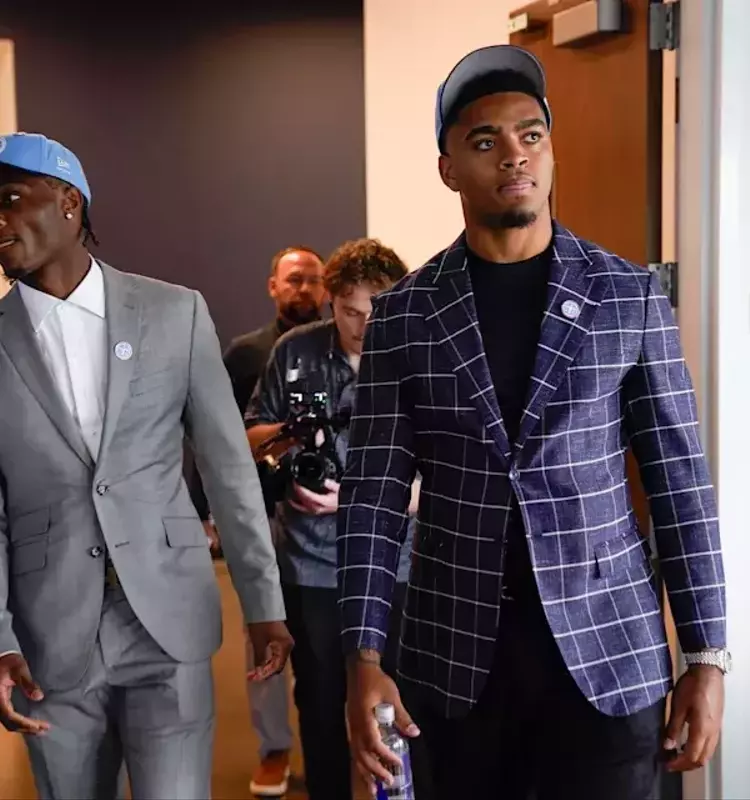
General Manager Mike Borgonzi's approach to the Tennessee Titans' 2026 NFL Draft marked a significant departure from the previous year's emphasis on long-term development. Facing a team with a 3-14 record, there was a palpable sense of urgency to acquire players who could make an immediate difference. This strategic shift was evident in their high-value selections, beginning with wide receiver Carnell Tate as the No. 4 overall pick, chosen for his proven productivity and maturity over more speculative talents. The Titans further reinforced their roster by trading up for defensive standouts Keldric Faulk and Anthony Hill Jr., demonstrating a clear intent to infuse the defense with high-caliber SEC talent capable of contributing from day one. This proactive drafting signals a commitment to competitive improvement, prioritizing players with the readiness and skill set to elevate the team's performance swiftly.
However, the draft class also presented areas for debate and concern. While the immediate impact players were well-received, questions arose regarding the overall ceiling of the class and specific selections in later rounds. The decision to draft Fernando Carmona Jr. in the fifth round, ahead of higher-rated prospects at similar positions, raised eyebrows, particularly given expert evaluations that placed him much lower. This choice, coupled with the selection of Pat Coogan, leaves some uncertainty about whether the Titans adequately addressed their critical needs on the interior offensive line. Furthermore, the absence of any cornerback selections, despite the team's recurring injury issues and struggles at the position, left many analysts and fans puzzled, suggesting a potential oversight in an otherwise aggressive draft strategy. These points highlight the calculated risks and ongoing challenges in building a resilient and competitive roster.
Despite these criticisms, the 2026 draft class showcases promising individual talents who could exceed expectations. The versatility and athleticism of Jackie Marshall, a defensive tackle with surprising high school punt return experience, represent a high-upside developmental pick. Similarly, Jaren Kanak, a linebacker transitioning to tight end, displayed remarkable receiving prowess at Oklahoma, making him an intriguing seventh-round flyer with potential for a unique role in the offense. These late-round selections embody the hope of finding hidden gems, providing depth and unexpected contributions that are vital for sustained success in the NFL. The Titans' journey back to contention will undoubtedly be challenging, but a foundation built on strategic, impactful draft choices, combined with smart player development, offers a positive outlook for the franchise's future.
Ultimately, the true measure of a draft class lies in its long-term impact on team performance and culture. By prioritizing immediate readiness while still seeking out high-potential athletes, the Titans are laying the groundwork for a more competitive future. This blend of urgency and foresight in player acquisition is crucial for any organization striving for excellence, underscoring the relentless pursuit of improvement that defines successful sports franchises. The continuous development of talent and strategic roster management are key to overcoming past setbacks and building a winning legacy.