Tesla's Strategic Shift: Building a Sovereign AI Chip Supply Chain
Money

Tesla's Strategic Shift: Building a Sovereign AI Chip Supply Chain

authorBy Scott Pape
DateMar 18, 2026
Read time2 min

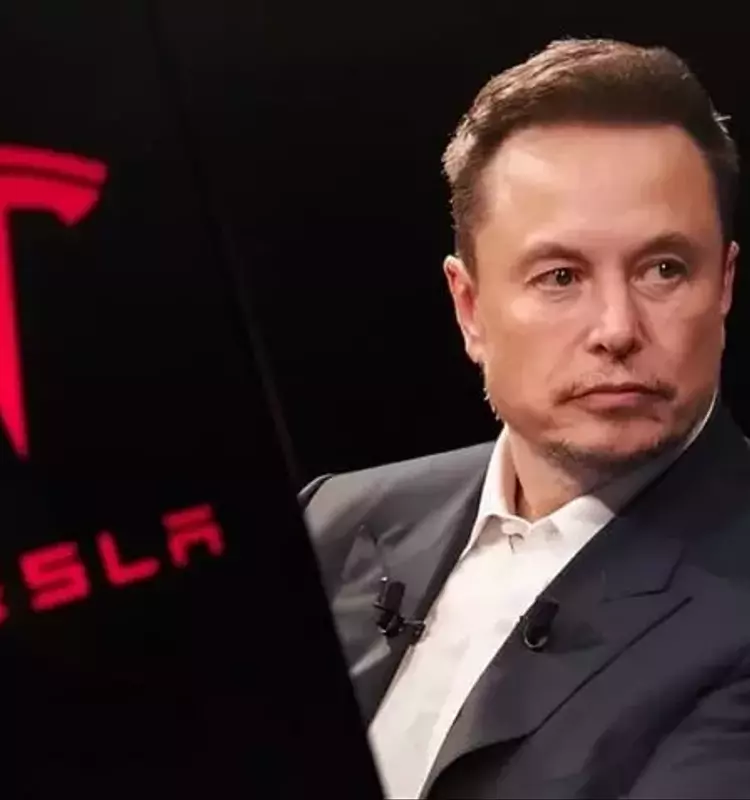
Tesla is embarking on a significant strategic endeavor to establish an independent artificial intelligence chip supply chain, marking a departure from its previous reliance on external manufacturers. This move underscores a broader vision by Elon Musk to mitigate geopolitical risks and gain greater autonomy over critical components essential for the company's ambitious AI projects, including its Full Self-Driving technology and Optimus robots. By internalizing chip production, Tesla aims to secure its future growth and innovation trajectory, safeguarding against potential disruptions in the global semiconductor market.

Tesla's Bold Move: Forging an Independent AI Chip Future in Texas

In a pivotal development announced on March 18, 2026, Tesla made a strategic decision to shift its AI chip manufacturing from Taiwan Semiconductor Manufacturing Company (TSMC) to Samsung's new facility in Taylor, Texas. This transition, with production slated to commence in 2027, signifies Tesla's commitment to establishing a "sovereign" chip supply chain. This initiative is not merely about sourcing components; it represents a profound geographic realignment aimed at bolstering supply chain resilience. Historically, the AI sector has heavily depended on Taiwan for advanced semiconductors. However, by leveraging domestic manufacturing capabilities, Tesla seeks to insulate itself from potential disruptions stemming from geopolitical tensions, logistical challenges, or shifts in international policy. This strategic pivot ensures that the core components for Tesla's innovative projects, such as the advanced Full Self-Driving systems and the humanoid robot Optimus, are produced within a controlled and secure environment. The move highlights a broader industry trend where major tech companies are increasingly prioritizing supply chain security and control over purely performance-driven outsourcing.

Tesla's strategic move to develop its own sovereign AI chip supply chain offers a compelling lesson in proactive risk management and vertical integration. In an increasingly interconnected yet volatile global economy, relying heavily on a single region or supplier for critical components can expose companies to significant vulnerabilities. Tesla's decision reflects a forward-thinking approach to technological independence, demonstrating that controlling the means of production for core technologies can be as crucial as the innovation itself. This shift could inspire other industry leaders to re-evaluate their supply chain dependencies, fostering a more diversified and resilient global manufacturing landscape for advanced technologies.

More Articles
Significant Movements in Health Care Stocks After Wednesday's Market Close
This report details the notable performance of 12 health care stocks in Wednesday's after-market trading session, highlighting both top gainers and losers. It offers a concise overview of the companies and their respective stock movements, reflecting key market dynamics.
By Bola SokunbiMar 18, 2026
Spider-Man Trailer Boosts Sony Stock: Prediction Market Eyes 2026's Box Office Crown
A new 'Spider-Man' film trailer has been released, creating buzz for its July debut and potentially impacting Sony Group Corp (NYSE: SONY) stock. Prediction markets are already speculating on the film's box office performance, with the latest installment aiming to be a top-grossing movie in 2026.
By Scott PapeMar 18, 2026
FedEx Q3 Earnings Preview: Analysts Optimistic, Awaiting Potential Stock Surge to Record Highs
Ahead of its Q3 earnings release, FedEx is receiving positive attention from Wall Street, with analysts raising price targets. The company's recent investor day highlighted ambitions for premium growth, AI integration, and increased profitability, aiming for $98 billion in revenue by 2029. Investors will be keen to see if strong Q3 results, coupled with updates on tariff litigation and the InPost acquisition, can propel FedEx stock to new record highs.
By Mr. Money MustacheMar 18, 2026
Navigating Pandemic-Era Tax Refunds: Eligibility and Action for Taxpayers
A recent court decision has opened the door for taxpayers to claim refunds on penalties incurred during the COVID-19 pandemic for late filing, payment, or underpayment. While the headlines suggest widespread eligibility, the reality is more nuanced. Taxpayers must meticulously review their filing history and act promptly to preserve their eligibility, as statutes of limitation may soon expire. The IRS is expected to challenge this ruling, making protective claims a prudent step for those who believe they qualify for a substantial refund.
By Ramit SethiMar 18, 2026
BlackRock's Investment Strategy Shifts Amidst Global Economic Headwinds
BlackRock, the world's largest asset manager, is re-evaluating traditional portfolio diversification strategies. Citing geopolitical tensions, energy supply shocks, and persistent inflation, the firm warns that government bonds may no longer offer their historical protection during stock market downturns. This shift necessitates a 'Plan B' approach, focusing on assets tied to real economic strength and adapting to a new era of market dynamics.
By Bola SokunbiMar 18, 2026