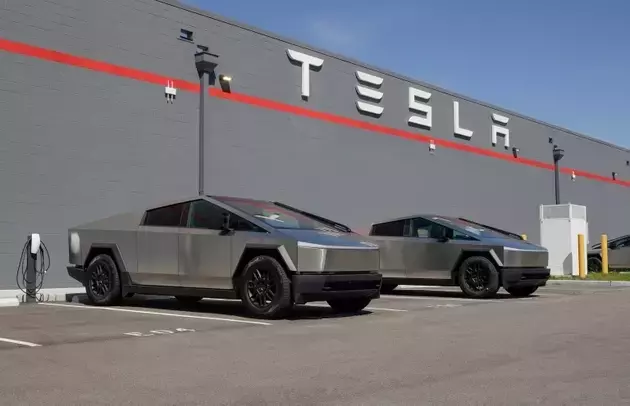
Tesla, Inc. recently disclosed its second-quarter financial outcomes, which highlighted a robust top-line performance fueled by strong automotive sales. This surge in sales is largely attributed to elevated gasoline prices, pushing consumers towards electric vehicles. Despite this revenue growth, the company's earnings fell substantially below analysts' forecasts, sparking questions about its strategic direction and market positioning.
The current market environment has placed a heightened emphasis on the demand for electric vehicles, temporarily diverting attention from Tesla's broader aspirations in autonomous driving technology. Investors are closely scrutinizing whether the company's substantial market valuation, which currently exceeds that of both traditional automotive manufacturers and leading tech companies, remains justifiable in light of its recent financial results and future prospects.
Revenue Growth Amidst Earnings Misses
Tesla's second-quarter revenue performance showcased the company's ability to capitalize on market conditions, particularly the increased demand for electric vehicles driven by high fuel costs. The robust sales figures indicate a strong consumer appetite for Tesla's automotive offerings, contributing significantly to the company's top-line growth. This revenue strength is a testament to Tesla's brand appeal and its competitive edge in the rapidly expanding EV market. However, the unexpected shortfall in earnings has raised concerns among investors and analysts alike. This disparity between strong revenue and weaker-than-anticipated profitability suggests potential challenges in operational efficiency, cost management, or pricing strategies. The earnings miss has prompted a reevaluation of Tesla's financial health, with stakeholders questioning whether the company can translate its impressive sales volumes into sustainable and substantial profits.
The company's strong automotive sales in the second quarter were undoubtedly a bright spot, reflecting effective market penetration and a favorable external environment characterized by elevated gasoline prices. This surge in demand for electric vehicles underscores a broader market trend towards sustainable transportation solutions. Despite these positive sales dynamics, the dramatic miss in earnings highlights underlying issues that warrant closer inspection. Factors such as production costs, supply chain disruptions, or aggressive pricing strategies to maintain market share could be contributing to the lower profitability. The challenge for Tesla now is to align its strong revenue generation with improved earnings performance, ensuring that its growth is not only substantial but also sustainable and profitable in the long run. The market will be keenly watching for strategies to enhance efficiency and profitability in the coming quarters.
Reevaluating Tesla's Market Valuation
The significant premium at which Tesla's stock trades, compared to both established automotive giants and leading technology firms, is increasingly under scrutiny following the recent earnings report. This premium valuation has historically been justified by investor confidence in Tesla's innovative technology, market leadership in electric vehicles, and ambitious future plans, particularly in autonomous driving. However, the substantial miss in second-quarter earnings raises critical questions about whether the current financial performance adequately supports such an elevated market capitalization. Investors are now more acutely assessing whether the company's future growth prospects and technological advancements are sufficiently compelling to warrant its high valuation multiples, especially when profitability lags behind expectations. A sustained period of earnings underperformance could lead to a reassessment of its market position.
Tesla's valuation has long been a subject of intense debate, often reflecting a blend of its current market achievements and speculative future potential. The recent earnings report, however, has added a new layer of complexity to this discussion. While the company continues to innovate and expand its global footprint, the financial results suggest that the path to profitability may be more challenging than anticipated. This scenario compels investors to weigh the company's long-term vision against its immediate financial realities. The prevailing sentiment is that for the stock to maintain or further justify its premium, Tesla needs to demonstrate a clearer trajectory towards robust and consistent profitability. Without this, the discrepancy between its valuation and its earnings performance could lead to increased market skepticism and potential adjustments in investor expectations regarding its future growth and stability.
