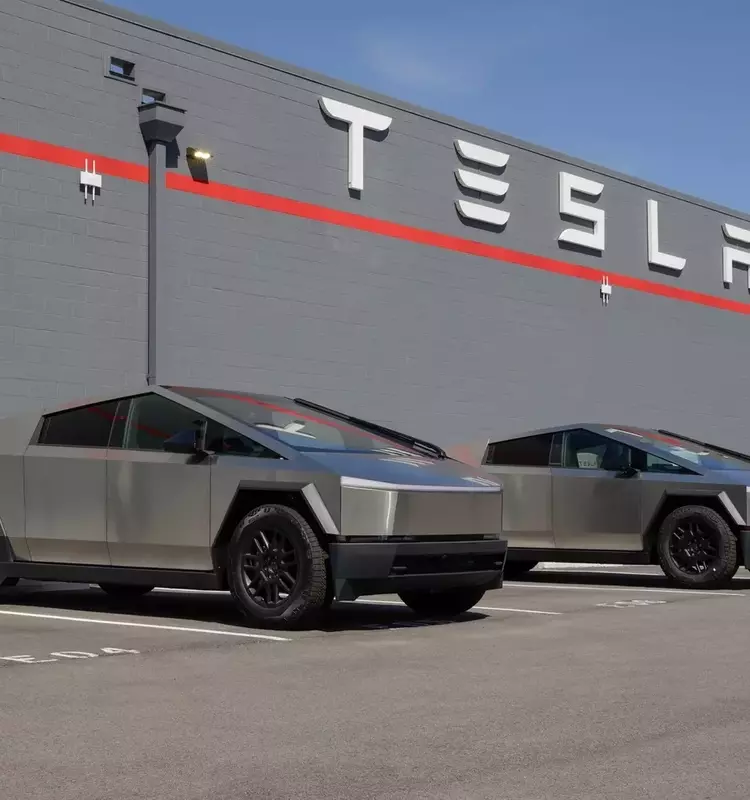
Tesla, Inc. demonstrated a strong surge in vehicle deliveries during the second quarter. However, this positive development was overshadowed by a noticeable contraction in gross margins and a considerable negative free cash flow. The company's aggressive capital expenditure, primarily driven by investments in artificial intelligence and robotics, played a significant role in these financial outcomes. Despite exceeding revenue expectations, Tesla fell short on earnings per share forecasts, prompting a revised investment outlook for the stock.
Tesla's Q2 Financial Narrative: Growth, Margin Challenges, and Strategic AI Focus
In the second quarter, Tesla, Inc. achieved a remarkable milestone by delivering 480,126 vehicles, signaling a substantial rebound in its production and distribution capabilities. This impressive delivery volume, initially hinting at a strong financial quarter, was juxtaposed against a challenging profitability landscape. The automotive giant reported a gross margin of merely 16.8%, a figure that fell below market expectations and highlighted persistent pricing pressures and production costs. Compounding this, the company experienced a negative free cash flow of $1.1 billion. A major contributor to this cash outflow was a staggering 142% year-over-year increase in capital expenditures, largely funneled into advanced artificial intelligence and robotics projects. While Tesla's revenue surpassed analysts' projections by 7%, the earnings per share missed estimates by $0.21. This discrepancy underscores a critical concern: the sustainability of profitability amidst aggressive growth and strategic investments. The current financial trajectory indicates that margin performance remains a pivotal factor in the near-term valuation of TSLA shares. Despite these immediate challenges, the company's substantial commitments to AI and robotics are viewed as potential catalysts for future growth, possibly rekindling investor confidence. Nevertheless, any indication of further sequential declines in margins or a slowdown in delivery rates could trigger a more pessimistic reassessment of the stock's outlook.
Tesla's latest financial report presents a complex picture for investors. While the company's ability to significantly increase vehicle deliveries is undeniable, the erosion of profitability metrics, particularly the gross margin, raises questions about the long-term financial health if not addressed. The substantial investment in AI and robotics, although crucial for future innovation and market positioning, is currently impacting the bottom line. This situation calls for a balanced perspective, acknowledging both the growth potential driven by technological advancements and the immediate financial pressures. Moving forward, investors will be closely monitoring Tesla's efforts to optimize operational efficiency and improve margins, alongside its progress in AI and robotics, to determine the company's true value trajectory.
