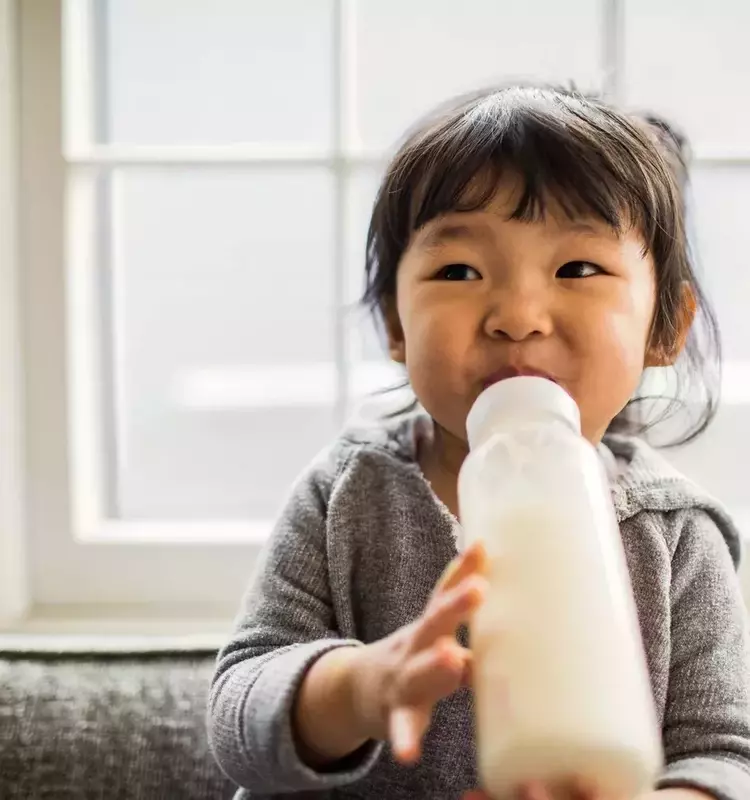
Toddlers are known for their strong will and unique habits, which can be both charming and challenging for parents. A common hurdle many parents face is their toddler's reluctance to drink milk from a cup, preferring a bottle instead. This phase, while potentially frustrating, is usually temporary. It stems from various factors, including the emotional comfort associated with bottles and a potential disinterest in the taste of milk when presented differently. Understanding these underlying reasons and employing gentle strategies can help ease the transition, ensuring children receive adequate nutrition through alternative sources if they continue to resist cow's milk.
The Journey from Bottle to Cup: Navigating Toddler Milk Preferences
The journey of transitioning toddlers from bottles to cups, particularly when it involves cow's milk, often presents a unique set of challenges for parents. Many children, typically between 6 and 9 months, are introduced to sippy cups, initially filled with breast milk, formula, or water, as recommended by the American Academy of Pediatrics. However, around the age of one, when whole cow's milk is introduced, some toddlers develop a strong preference for drinking it exclusively from a bottle, rejecting cups. This resistance is often not stubbornness but a natural part of their development.
Dr. Rallie McAllister, a family physician from Lexington, Kentucky, and co-author of The Mommy M.D. Guide to Your Baby's First Year, highlights that toddlers frequently associate milk with the comfort and familiarity of a bottle. For them, consuming milk from a sippy cup can feel unfamiliar and less comforting. This sentiment is particularly strong for children who have recently been weaned from bottles, as they might temporarily yearn for the comfort the bottle provides. Similar to how toddlers might initially reject new foods, accepting a new drinking vessel requires time, practice, and patience.
Beyond comfort, a toddler's refusal might simply indicate a dislike for milk's taste in a cup. If milk was previously tolerated primarily for the pleasure of bottle-feeding, its appeal might diminish when presented differently. Fortunately, this preference can change over time. Parents can continue offering small amounts of milk in a low-pressure environment, especially if the child observes family members regularly drinking milk.
In some cases, a child's aversion to milk from a cup could signal lactose intolerance, although this typically manifests after the age of three. Symptoms such as gas, stomach cramping, nausea, diarrhea, and irritability may arise shortly after consuming dairy. Since toddlers cannot verbally express their discomfort, parents should observe these signs closely. If lactose intolerance or any other health concern is suspected, consulting a healthcare provider is crucial.
To encourage cup drinking, parents can make the experience more appealing. Blending pureed fruits like strawberries into milk can create an exciting "milkshake," adding color and flavor. Allowing the toddler to choose or decorate a special cup can also increase their enthusiasm. Framing cup use as a "big kid" activity, without shaming their attachment to bottles, can be effective. Most importantly, offering ample positive reinforcement and praise for every small step, even a single sip, can significantly boost a toddler's confidence and willingness to adapt.
For toddlers who consistently refuse cow's milk, it's reassuring to know that they can still meet their nutritional needs. Milk is a vital source of calcium, vitamin D, protein, and fat, making it a convenient option for pediatricians to recommend. However, these nutrients are available from various other sources. Calcium-rich foods like yogurt and cheese, plant-based milk alternatives fortified with calcium and vitamin D, tofu, dark leafy greens, beans, lentils, seeds, nuts (in butter form to avoid choking hazards), whey protein, and certain fish like salmon and sardines can all contribute to a balanced diet. Many cereals are also calcium-fortified, offering another easy option. The key is to provide a diverse range of nutritious foods, ensuring the child receives all necessary nutrients even without cow's milk.
The transition from bottle to cup is a developmental milestone that often comes with its share of challenges. Patience, creativity, and a focus on overall nutrition are paramount. Parents should remember that while toddlers may resist changes, they are also incredibly adaptable, and with consistent, supportive efforts, most will eventually embrace new habits and preferences.
