The 2007-2009 financial crisis, a period marked by widespread market downturns and significant wealth erosion, also presented unparalleled opportunities for a select group of astute investors. These individuals, characterized by their calm demeanor and strategic insight amidst panic, executed bold investment maneuvers that ultimately yielded substantial returns as the global economy stabilized. Their actions serve as powerful lessons in contrarian investing, highlighting how challenging times can be transformed into profitable ventures through foresight and decisive action.
Notable Figures and Their Crisis-Era Strategies
During the profound economic upheaval of 2007-2009, a period often referred to as the Great Recession, the global financial landscape experienced its most severe downturn since the 1929 stock market crash. The crisis was triggered by the collapse of the U.S. subprime mortgage market, sending ripples of instability across international markets and leading to the downfall of major financial institutions like Lehman Brothers. Amidst widespread panic and a steep decline in asset values, a few investors saw not chaos, but opportunity. These were individuals who subscribed to the philosophy of being bold when others were timid, acquiring assets at deeply discounted prices.
Warren Buffett: The Oracle's Calculated Moves
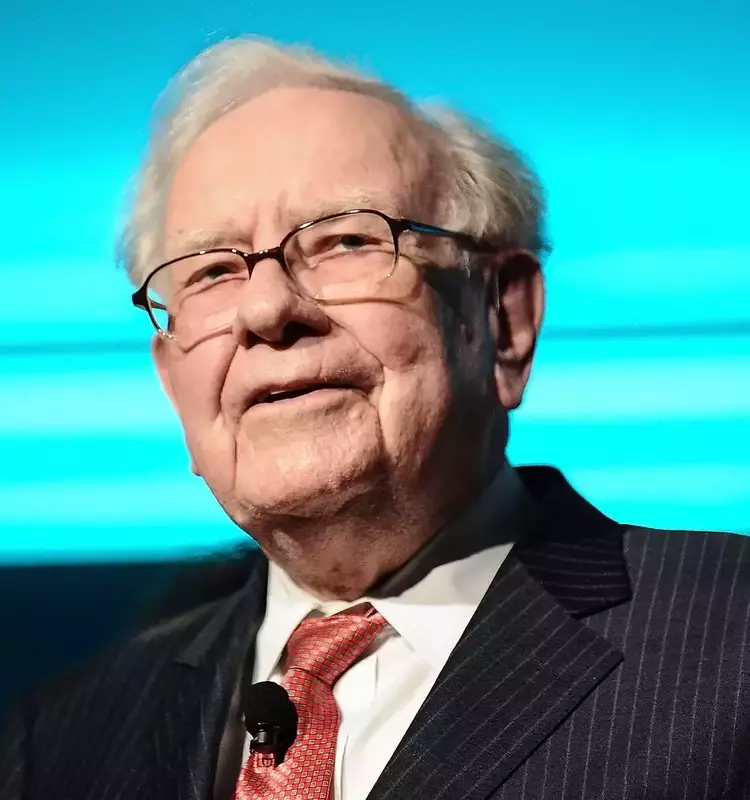
In October 2008, the esteemed investor Warren Buffett famously penned an op-ed in The New York Times, advocating for investment in American equities during the market's freefall. True to his maxim, “Be fearful when others are greedy, and be greedy when others are fearful,” Buffett's Berkshire Hathaway made several significant investments. Notably, they poured $5 billion into Goldman Sachs (GS) via perpetual preferred shares, securing a 10% dividend and warrants for additional shares. A similar strategic move was made with General Electric (GE), involving a $3 billion investment in preferred stock that also offered a 10% dividend. These investments, alongside others in Swiss Re and Dow Chemical (DOW), provided much-needed liquidity to struggling companies and generated billions in profit for Berkshire Hathaway as markets eventually rebounded.
John Paulson: The Hedge Fund Visionary
Hedge fund manager John Paulson gained immense recognition for his audacious bet against the U.S. housing market prior to the crisis, a move that reportedly netted his firm, Paulson & Co., an estimated $20 billion. As the crisis unfolded, Paulson astutely shifted his strategy towards anticipating a market recovery. By 2009, he had built substantial positions in major financial entities such as Bank of America (BAC), Goldman Sachs, Citigroup (C), and JPMorgan Chase (JPM). His timely investments in these banks, coupled with significant gold holdings, led to considerable gains and further solidified his reputation, attracting billions in additional assets under management.
Jamie Dimon: Leveraging Strength in Turmoil
Jamie Dimon, the CEO of JPMorgan Chase (JPM), masterfully utilized his bank's robust financial health to navigate the crisis, transforming widespread fear into strategic acquisitions. At the peak of the turmoil, JPMorgan acquired Bear Stearns and Washington Mutual, two institutions devastated by subprime mortgage exposure. In March 2008, JPMorgan's acquisition of Bear Stearns was valued at approximately $10 per share, with the merger finalized in May 2008. Later, in September of the same year, the bank purchased Washington Mutual Bank's operations from the FDIC for $1.9 billion, a fraction of the acquired assets' fair value. These strategic takeovers, executed with precision, contributed to JPMorgan's significant growth, with its shares tripling over the subsequent decade, enriching both shareholders and Dimon himself.
Ben Bernanke: Steering the Economy to Profit
As the former head of the Federal Reserve, Ben Bernanke played a pivotal role in averting a complete meltdown of the U.S. and global financial systems. The Fed's decisive actions, including the expansion of its balance sheet from an estimated $800 billion in 2007 to absorb a potential economic depression, proved highly profitable. A 2011 report indicated that the Fed's profits reached $82 billion in 2010. This impressive figure included significant earnings from assets linked to Bear Stearns and AIG, returns from mortgage-backed security (MBS) purchases, and income from government debt. These interventions not only stabilized the economy but also generated substantial returns that benefited U.S. taxpayers.
Carl Icahn: Opportunistic Investor Extraordinaire
Carl Icahn, a legendary fund investor known for his track record in distressed securities, expertly capitalized on the downturns. His specialty lies in acquiring companies, particularly gambling firms, during periods of financial distress. Prior to the crisis, he acquired three Las Vegas gaming properties, eventually selling them as part of a four-property portfolio for $1.2 billion in 2008, yielding over a 300% return. During the crisis, Icahn further demonstrated his opportunistic approach by purchasing the bankrupt Fontainebleau property in Las Vegas for approximately $155 million. He later sold this unfinished property for nearly $600 million in 2017, achieving nearly four times his initial investment.
The narratives of these investors during the 2007-2009 financial crisis underscore a critical lesson in finance: periods of extreme market volatility often conceal exceptional investment opportunities for those with the courage and analytical prowess to identify and act upon them. Their ability to remain composed and make calculated decisions when others succumbed to panic not only resulted in personal and institutional wealth accumulation but also offered a testament to the power of contrarian investing. Their experiences remind us that understanding market cycles and maintaining a long-term perspective can transform potential losses into significant gains, distinguishing truly successful investors from the rest.
