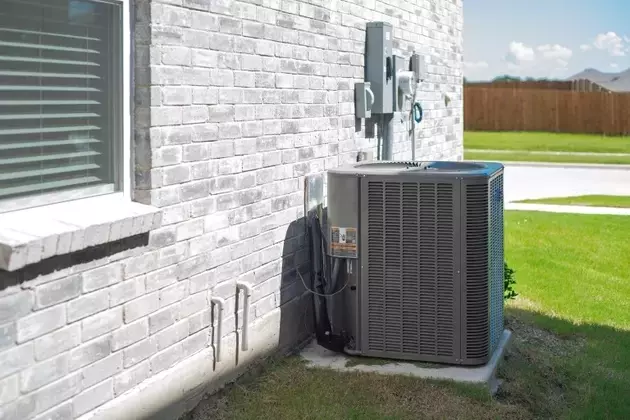
Trane Technologies (TT) continues to present an attractive investment opportunity, with robust commercial HVAC demand and substantial order momentum driving its growth trajectory. The company's strategic positioning, coupled with favorable market dynamics, reinforces its positive outlook for the foreseeable future. The sustained strengthening of its core business segments underscores its resilience and potential for long-term value creation.
Trane Technologies' recent performance highlights a significant surge in demand across its key operational areas, particularly in the commercial HVAC sector. This heightened demand, combined with an increasing backlog of orders, provides a clear roadmap for sustained revenue growth and operational expansion. The company's ability to capitalize on these market trends solidifies its standing as a leader in the industry.
Accelerated Commercial HVAC Demand and Order Backlog
Trane Technologies is experiencing a notable acceleration in commercial HVAC demand and order momentum, solidifying its growth prospects. The first quarter of the year saw remarkable increases in orders, with overall Americas orders surging by 29%. Specifically, Commercial HVAC orders climbed by over 40%, and Applied orders witnessed an exceptional rise of more than 160%. This substantial influx of orders extends the company's growth visibility well into the second half of 2026 and beyond, providing a strong foundation for future revenue generation and market expansion.
The impressive growth in commercial HVAC and Applied orders reflects a strong underlying market for Trane Technologies' products and services. This robust demand environment is driven by various factors, including increased investment in commercial infrastructure, energy efficiency initiatives, and the ongoing need for advanced climate control solutions. The significant backlog of orders not only ensures a steady revenue stream for the coming years but also underscores the company's competitive advantage and its ability to capture a larger share of the growing HVAC market. Furthermore, this sustained order momentum provides management with greater confidence in planning and resource allocation, enabling strategic investments in innovation and capacity expansion to meet future demand effectively.
Strategic Advantages: Domestic Manufacturing and Upgraded Guidance
Trane Technologies benefits significantly from its strong domestic manufacturing footprint, which offers a crucial competitive advantage. This localized production capability minimizes exposure to tariff risks, a particularly relevant factor given recent updates to Section 232 tariffs. By producing locally, TT enhances its supply chain resilience and maintains greater control over manufacturing costs, reinforcing its competitive position in the market. This strategic advantage also bolsters the company's pricing power, allowing it to navigate market fluctuations more effectively and sustain profitability.
In addition to its manufacturing strength, Trane Technologies has recently provided upgraded guidance, further solidifying the investment thesis. This optimistic outlook is supported by easing residential headwinds, which had previously posed challenges to the market. The improved guidance signals management's confidence in the company's operational performance and future earnings potential. The combination of a robust domestic manufacturing base, reduced tariff exposure, and positive financial forecasts collectively reinforces the case for continued upside in TT's stock. These factors position Trane Technologies favorably to capitalize on ongoing market opportunities and deliver sustained value to its shareholders.
