Nintendo, a company renowned for its stringent control over its products and intellectual properties, presents an intriguing anomaly in its relationship with the Pokémon franchise. While the Japanese gaming giant typically develops and publishes its games in-house, retaining full ownership and oversight, Pokémon stands as a remarkable exception. This global phenomenon, which has ascended to become one of the most lucrative media franchises of all time, operates under a unique tripartite partnership involving Nintendo, Game Freak (the original developer), and Creatures Inc. (responsible for the trading card game). This unconventional structure has allowed Pokémon to flourish through extensive merchandising and diverse media ventures, including the highly successful mobile game Pokémon Go, often with a more distant hand from Nintendo itself. This article delves into the historical context and strategic implications of this distinctive arrangement, exploring how it has not only propelled Pokémon to unimaginable heights but also subtly influenced Nintendo's broader business trajectory, particularly in the portable gaming market.
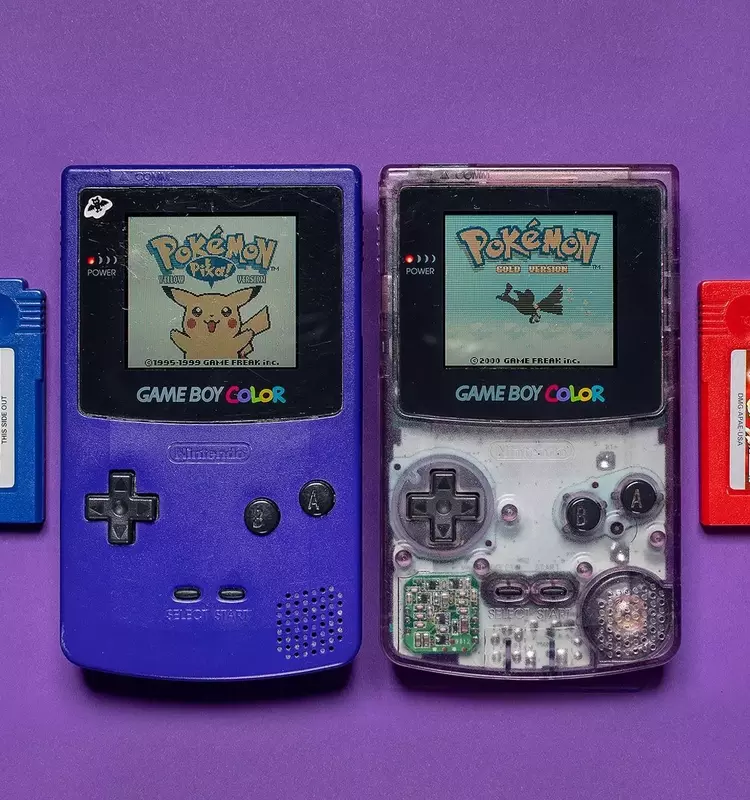
Nintendo's business model is largely built on vertical integration, where it meticulously designs its consoles and creates the core games that drive their sales. This approach fosters a strong brand identity and ensures quality control across its offerings. However, the emergence of Pokémon challenged this established paradigm. Originating from the creative vision of Satoshi Tajiri and his development studio, Game Freak, Pokémon capitalized on the Nintendo Game Boy's connectivity features, allowing players to trade digital creatures. This innovative concept quickly captured the imagination of millions, evolving from the Japanese release of 'Pocket Monsters Red' and 'Green' in 1996 into a global cultural phenomenon known as 'Pokémania'.
The partnership that followed was distinct. Instead of fully acquiring Game Freak and the entire Pokémon intellectual property, Nintendo, Game Freak, and Creatures Inc. co-founded The Pokémon Company in 1998. This entity was tasked with managing the global licensing, merchandising, and overall brand strategy for Pokémon. This hands-off approach, unusual for Nintendo, proved to be a masterstroke. The Pokémon Company aggressively pursued merchandising opportunities, ranging from animated series and films to trading card games and a vast array of consumer products. This expansive strategy, unfettered by Nintendo's traditional conservative approach to brand management, allowed Pokémon to permeate popular culture on an unprecedented scale.
The success of Pokémon also significantly bolstered Nintendo's portable gaming division. While Nintendo had its own beloved franchises like Mario and Zelda, none quite captured the spirit of portable gaming with the same transformative impact as Pokémon. Following in the footsteps of Tetris, which helped solidify the Game Boy's early market dominance, Pokémon provided a continuous stream of best-selling titles that kept Nintendo's handheld consoles relevant and thriving for years. This sustained success in the portable market ultimately laid the groundwork for Nintendo's innovative Switch console, which seamlessly merges home console and handheld gaming experiences, helping Nintendo navigate competitive pressures from rivals like Microsoft and Sony.
The decision by Nintendo's former presidents, Hiroshi Yamauchi and Satoru Iwata, not to fully absorb Game Freak and the Pokémon brand may seem counterintuitive given the franchise's monumental financial success. However, it can be argued that this strategic distance was crucial. By allowing The Pokémon Company to operate with significant autonomy, Nintendo avoided the potential pitfalls of over-management and bureaucratic delays that often accompany large-scale acquisitions. This enabled Pokémon to adapt quickly to market trends and embrace diverse revenue streams, some of which might have been deemed too unconventional for Nintendo's core brand image. This flexible structure also protected Nintendo's reputation from any controversies associated with the broader Pokémon phenomenon, such as the moral panic surrounding the trading card game, while still allowing the company to reap substantial financial benefits through its ownership stake and game publishing rights.
In essence, the relationship between Nintendo and Pokémon underscores a valuable lesson in strategic partnerships and brand management. Nintendo's willingness to decentralize control over such a valuable asset, while still maintaining significant influence, enabled Pokémon to achieve a level of global saturation that might have been unattainable under a stricter, wholly owned model. This unique collaboration has demonstrated that sometimes, the greatest success comes not from absolute control, but from a carefully cultivated balance of independence and shared vision, allowing each entity to leverage its strengths for collective prosperity.
