Understanding and Addressing Bottle Refusal in Infants
ParentsKids

Understanding and Addressing Bottle Refusal in Infants

authorBy Emily Oster
DateAug 27, 2026
Read time2 min

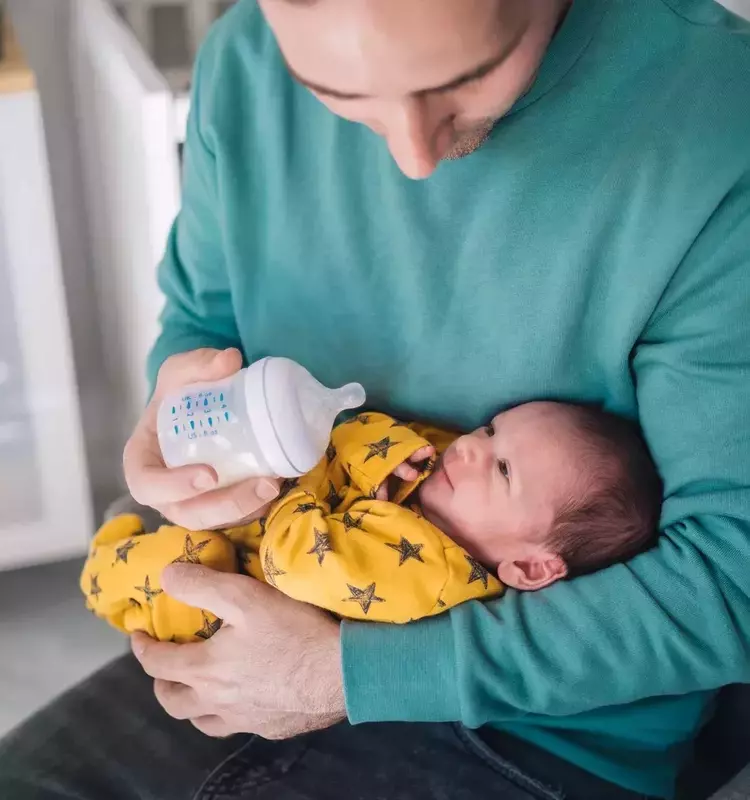
When infants suddenly decline bottle feeding, it can be a source of confusion and concern for caregivers. This behavior can manifest at any stage, regardless of whether the baby previously fed eagerly or consistently faced challenges. Understanding the common factors contributing to this refusal can offer reassurance and guide parents toward effective solutions.

Several factors might lead a baby to reject a bottle. Sometimes, the baby may simply not be hungry, especially if a previous feeding was recent. Indicators of hunger, such as lip-licking, hand-to-mouth movements, or rooting reflexes, should be observed. Teething can also cause discomfort, making the friction of a bottle nipple against sore gums undesirable. Furthermore, if a baby is unwell, eating can be difficult. Conditions like gas, acid reflux, or earaches can make swallowing painful or unpleasant. Changes in milk flavor, whether from a switch in formula brands or dietary adjustments in breast milk, can also be a deterrent.

To address bottle refusal, a calm and patient approach is crucial. Implementing a consistent feeding schedule can help babies anticipate mealtimes. Ensuring the baby's comfort—checking milk temperature, optimal feeding position, and a distraction-free environment—is also important. If the baby is breastfed, having another caregiver offer the bottle might be beneficial, as some infants associate the primary caregiver with breastfeeding. It's also advisable to inspect the bottle nipple; older babies may require a nipple with a faster flow. For infants six months and older, introducing a cup can be an effective alternative. Above all, maintaining a composed demeanor during feeding attempts is vital, as babies can sense parental stress.

While occasional bottle refusal is normal, persistent issues warrant medical attention. Between 1% and 5% of young children may experience feeding disorders requiring professional intervention, which, if undiagnosed, can lead to nutritional deficiencies. Therefore, if a baby is not gaining weight, showing signs of illness like vomiting, diarrhea, fever, ear-pulling, or dehydration, consulting a healthcare provider is essential. Timely action ensures that any underlying medical conditions are addressed, supporting the baby's continued health and growth.

More Articles
ParentsKids
Discovering Unique Australian Baby Names: A Comprehensive Guide
Explore a diverse collection of Australian baby names, including Indigenous, botanical, and popular choices for girls, boys, and gender-neutral options. This guide highlights names that blend cultural heritage with modern appeal, offering meaningful selections for your child's identity.
By Dr. Benjamin SpockAug 27, 2026
ParentsKids
Understanding and Managing Childbirth Pain: What to Expect
Childbirth is a unique and often intensely painful experience. This article explores various medical conditions and procedures that may cause pain comparable to labor and delivery, such as broken bones, severe headaches, kidney stones, gallstones, bladder infections, root canals, and surgeries. It also discusses factors influencing childbirth pain, including anxiety, birthing position, and fetal position. Finally, it provides various coping mechanisms for managing labor pain, ranging from epidural anesthesia to deep breathing and aromatherapy.
By Nigel LattaAug 27, 2026
ParentsKids
Understanding the Impact of Fast-Paced Children's Content Like CoComelon
This article explores the ongoing debate among parents and experts regarding the potential overstimulation caused by fast-paced children's shows, specifically focusing on CoComelon. It delves into the show's rapid scene changes and repetitive nature, examining parental concerns and expert opinions on whether such content negatively impacts a child's development. The discussion also broadens to the general topic of screen time and offers guidance on recognizing and managing overstimulation in children.
By Kim John PayneAug 27, 2026
ParentsKids
Ocean-Inspired Baby Names: A Comprehensive Guide
Dive into the enchanting world of ocean-inspired baby names! This guide offers a curated selection of 75 names for girls, boys, and gender-neutral options, drawing from diverse cultures and meanings related to the sea. Discover unique and timeless choices to connect your child to the majestic beauty of the ocean, whether you're drawn to names signifying waves, marine life, or mythical water figures. Explore a treasure trove of possibilities for your little one.
By Jessica LaheyAug 27, 2026
ParentsKids
Discovering Unique Scottish Baby Names
Explore a curated list of distinctive Scottish baby names for both boys and girls, offering meaningful choices inspired by Scotland's rich cultural heritage and stunning landscapes. From traditional Gaelic roots to modern adaptations, each name carries a unique story and charm. This guide also provides insights into the origins and significance of these names, helping parents find the perfect fit for their new arrival.
By Adele FaberAug 27, 2026