For expectant parents, understanding the placenta's role is crucial. This temporary organ is essential for sustaining pregnancy, delivering oxygen and nutrients to the growing fetus through the umbilical cord, and removing waste products.
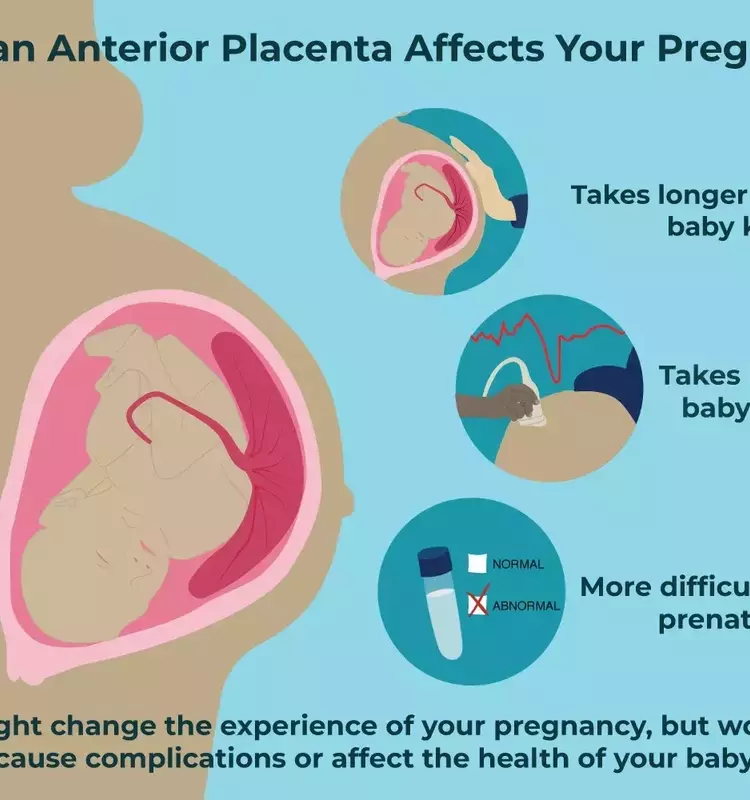
The placenta can implant in various locations within the uterus. When it attaches to the uterine wall closest to the abdominal area, it is termed an anterior placenta. This position is quite common and generally poses no increased risks to either the pregnant individual or the baby. However, it can sometimes make it more difficult for the parent to perceive fetal kicks and for medical professionals to detect the baby's heartbeat using external methods. The presence of an anterior placenta does not alter the physical appearance or size of the pregnant belly, and it typically does not lead to health complications, according to Dr. Monte Swarup, a board-certified OB-GYN.
The placenta, an organ that develops as soon as a fertilized egg implants in the uterine lining, becomes fully functional around 12 weeks of gestation and continues to develop throughout pregnancy. It produces vital hormones such as human chorionic gonadotropin (hCG), progesterone, and estrogen, which are crucial for maintaining the pregnancy. Furthermore, the placenta and umbilical cord form the primary connection between the parent and the baby, facilitating the exchange of oxygen, nutrients, hormones, and immune protection, while also eliminating waste from the fetus. The placement of the placenta is often determined during an anatomy scan, usually conducted between 18 and 21 weeks of pregnancy. While an early ultrasound might identify an anterior placenta, its position can shift as the uterus expands and grows, which is a normal occurrence.
Beyond the anterior position, the placenta can also be situated posteriorly (at the back of the uterus), laterally (on either side), fundally (at the top), or in a low-lying position (near or over the cervix). The low-lying position carries the highest risk, as it can lead to placenta previa, a condition where the placenta covers the cervix, potentially requiring a C-section due to excessive bleeding risks. While an anterior placenta rarely causes significant issues, it can sometimes make it harder to feel fetal movements due to the cushioning effect between the baby and the abdominal wall. Similarly, detecting the fetal heartbeat with Doppler machines might be challenging, though experienced technicians can usually navigate this. In some cases, an anterior placenta may complicate diagnostic procedures like amniocentesis, though ultrasound guidance can prevent harm to the placenta. Research indicates a potential, albeit small, association between anterior placenta and increased risks of C-sections, induced labor, back labor, gestational diabetes, placental abruption, placenta previa, intrauterine growth restriction, and pregnancy-induced hypertension. Despite these potential links, an anterior placenta typically does not impact the birthing experience, and both vaginal and C-sections are considered safe, with doctors using ultrasound to determine the optimal incision site during C-sections.
Experiencing an anterior placenta is generally not a cause for concern during pregnancy. It is, however, crucial for expectant parents to remain vigilant for any unusual symptoms and to seek immediate medical attention if they experience a significant reduction or absence of fetal movements, abdominal pain, vaginal bleeding, constant or rapid contractions, severe back pain, or a firm or rigid abdomen. Proactive communication with healthcare providers ensures that any potential issues are addressed promptly, contributing to a healthy and positive pregnancy journey.
