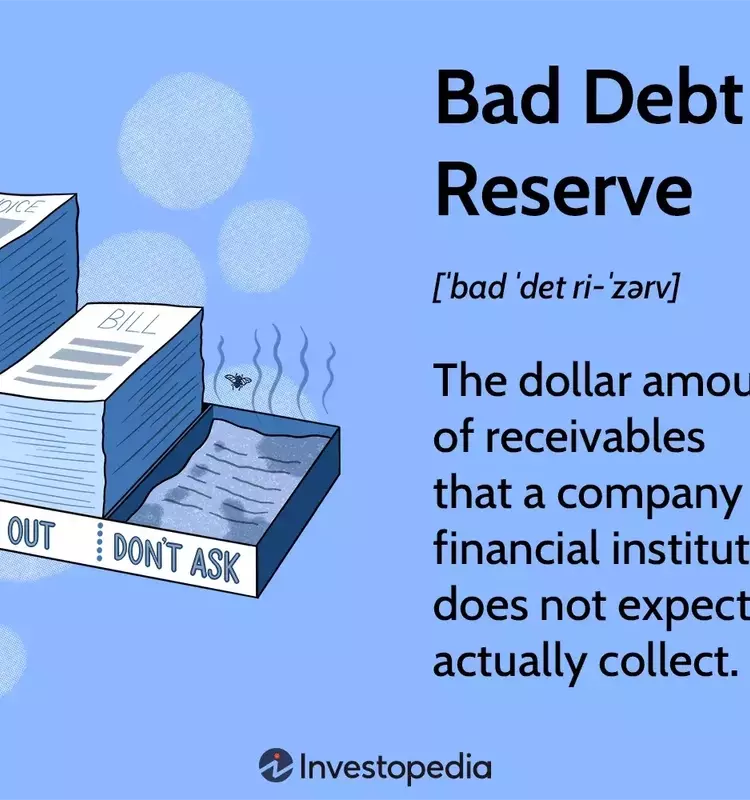
A bad debt reserve, also known as an allowance for doubtful accounts, represents the estimated portion of a company's accounts receivable or a financial institution's loan portfolio that is unlikely to be recovered. This accounting provision serves as a critical tool for businesses to accurately portray their financial standing and manage potential losses from uncollectible debts.
This reserve plays a dual role in financial management. Firstly, it allows organizations to present a more realistic valuation of their receivables or loans on their balance sheet, separating the face value from the anticipated collectible amount. Secondly, it offers a margin of safety for cash flow projections, enabling better financial planning by preparing for expected defaults. When a specific debt becomes uncollectible, the reserve is adjusted, and the corresponding receivable balance is reduced. The size of this reserve can vary significantly based on factors such as industry practices, historical data, and management's assessment of risk, with some companies utilizing methods like a percentage of sales, aging of receivables, or individual customer risk assessments.
Monitoring changes in bad debt reserves is essential for financial analysts to evaluate a company's financial health and the efficacy of its credit management strategies. A substantial increase in the reserve might signal that a company is engaging with higher-risk clients, potentially jeopardizing its future cash flow. Conversely, manipulating these reserves to temporarily enhance the financial outlook could lead to a misrepresentation of the company's true condition. Therefore, transparent and accurate management of bad debt reserves is vital for maintaining investor confidence and ensuring long-term financial stability.
Effectively managing bad debt reserves highlights a company's commitment to financial prudence and transparency. It underscores the importance of proactive risk assessment and strategic financial planning, ensuring that businesses are resilient against economic uncertainties and capable of sustained growth. A well-managed reserve reflects not just fiscal responsibility but also a forward-looking approach to business operations.
