Banks serve as crucial intermediaries in the financial system, facilitating the flow of capital from savers to borrowers. They play a pivotal role in economic stability by offering essential services such as deposit accounts, loan facilities, and payment processing. The banking landscape is diverse, encompassing various types of institutions, each with specialized functions tailored to different client needs. Understanding these distinctions, along with the robust regulatory frameworks governing them, is vital for individuals and businesses to make informed financial decisions. Furthermore, distinguishing between traditional banks and member-owned credit unions clarifies the broader spectrum of financial service providers and their unique operational philosophies.
The evolution of banking from its historical roots to modern digital platforms underscores its adaptability and enduring importance. While the core principle of lending deposited funds at interest remains, the complexity and array of financial products have expanded dramatically. Regulatory bodies at both federal and state levels ensure the soundness and security of these institutions, employing measures like deposit insurance to protect consumers. This comprehensive overview aims to demystify the banking system, empowering stakeholders to navigate its complexities and leverage its offerings effectively.
The Core Functions and Evolution of Financial Institutions
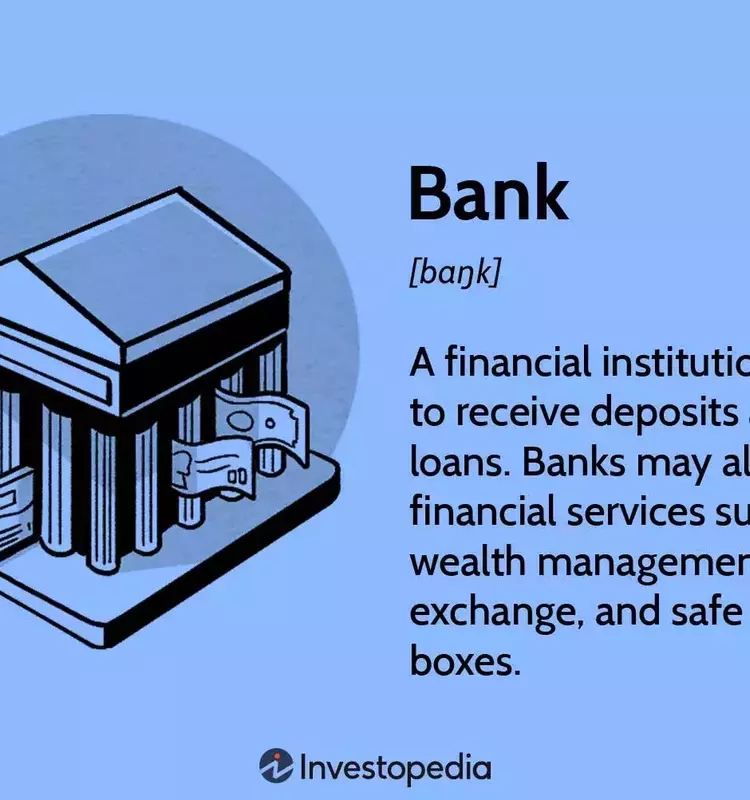
Financial institutions, commonly known as banks, have evolved significantly since their inception in the 14th century, yet their fundamental purpose remains steadfast: to serve as secure repositories for funds and providers of credit. Initially, these institutions facilitated commerce by offering safe storage for money and issuing loans to individuals and businesses. This dual role of accepting deposits and extending credit forms the bedrock of the banking business model, a concept that has endured for centuries. The profit generation mechanism, wherein banks earn more interest on loans than they pay on deposits, has also remained a constant, providing the capital necessary for their operations and growth.
Over time, the array of services offered by these institutions has expanded considerably. Modern banks provide a comprehensive suite of financial products, ranging from checking and savings accounts to specialized loan services such as mortgages, auto loans, and business financing. They also facilitate investments through products like certificates of deposit (CDs) and individual retirement accounts (IRAs), and offer conveniences like currency exchange and safe deposit boxes. The development of diverse banking types, including retail, commercial, and investment banks, reflects a growing specialization designed to meet the distinct financial requirements of various market segments, from individual consumers to large corporations and governments. The continuous innovation in banking products and services has profoundly influenced global economic development, making banks indispensable pillars of modern financial systems.
Ensuring Security and Navigating the Diverse Banking Landscape
The safety and stability of the banking system are paramount, particularly in the aftermath of significant financial upheavals like the 2008 global crisis. In response to such events, regulatory environments have been substantially fortified, with oversight provided by both federal and state authorities. These regulations are designed to safeguard consumer deposits, maintain adequate capital levels within banks, and ensure overall financial system stability. Key measures, such as deposit insurance provided by entities like the Federal Deposit Insurance Corporation (FDIC) in the U.S., guarantee the security of deposited funds up to a specified limit, instilling public confidence in the banking sector. This stringent oversight ensures that banks operate within established guidelines, protecting both individual depositors and the broader economy from systemic risks.
Beyond regulatory protections, the banking industry offers a rich tapestry of institutional types, each catering to distinct financial needs. Retail banks, for instance, focus on everyday consumers, providing services like checking and savings accounts, personal loans, and mortgages, often through physical branches and online platforms. Commercial banks serve businesses, offering credit, cash management, and trade finance solutions. Investment banks specialize in complex financial transactions for corporations and governments, such as mergers and acquisitions. Central banks, unlike their commercial counterparts, manage a nation's money supply and monetary policy, playing a critical role in economic stabilization. Understanding these specialized roles, coupled with a thorough evaluation of factors like fees, interest rates, accessibility, and customer service, is essential for individuals and businesses to select the most appropriate financial institution to meet their specific financial goals and needs.
